
Tools
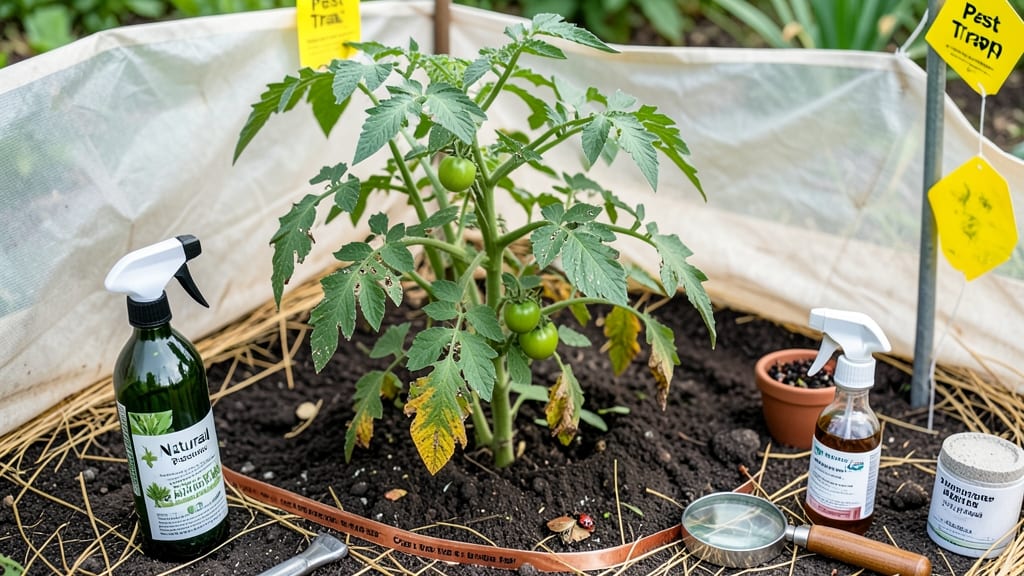
Preventing garden pests starts with layered defenses: start with physical barriers like floating row covers, pair plants strategically (like basil with tomatoes), and use natural repellents such as neem oil or homemade garlic spray. I also recommend checking plants weekly for early signs of damage.
Most gardeners focus on treating pests after they appear, but the real secret lies in stopping them before they arrive. 🌱 Physical barriers like row covers create a protective shield against flying insects, while companion planting confuses pests by masking host plant scents.
For example, marigolds release a natural compound that repels nematodes, while basil deters whiteflies. Organic sprays work by disrupting insects' nervous systems—neem oil contains azadirachtin, which interferes with their growth hormones. The key is consistency: combine these methods with regular inspections to catch problems before they spread.
Seasonal timing matters too. Early spring is ideal for installing row covers, while summer's heat makes garlic sprays more effective. I've found that maintaining a healthy garden ecosystem—with beneficial insects like ladybugs—reduces the need for chemical interventions.
The goal isn't perfection, but creating an environment where pests struggle to establish themselves.
💡 In This Article
- Natural Pest Prevention Methods Explained
- Step-by-Step Guide to Building a Pest-Resistant Garden
Natural pest prevention methods explained
The science behind companion planting lies in how certain plants disrupt pest life cycles through chemical signals. For example, marigolds release α-terthienyl, a compound that repels nematodes and aphids by interfering with their feeding behavior.
Basil emits eugenol, which confuses whiteflies by masking tomato plant scents—studies show this reduces whitefly populations by up to 80% when planted nearby. 🌿 These interactions create what scientists call "ecological disruption," making it harder for pests to locate their preferred hosts.
Neem oil's effectiveness comes from its active compound, azadirachtin, which mimics insect hormones and disrupts molting in caterpillars and beetles. When sprayed at a 1% dilution rate (1 tablespoon per quart of water), it creates a protective film on leaves that insects avoid.
Unlike chemical pesticides that kill indiscriminately, neem oil targets specific pests while being safe for beneficial insects like ladybugs and bees. The key is applying it during early morning or late evening when bees are less active.
Beneficial insects play a crucial role in natural pest control through predation. Ladybugs consume 5,000 aphids in their lifetime, while parasitic wasps lay eggs inside caterpillars, killing them from within. To attract these helpers, plant dill, fennel, or yarrow—their flowers provide nectar and shelter.
The most effective gardens maintain a 3:1 ratio of beneficial insects to pests, creating a self-regulating ecosystem that reduces the need for interventions.
Physical barriers work through simple mechanics: row covers block insects' access while allowing sunlight and water through. The 0.6mm mesh size commonly used stops aphids, whiteflies, and cabbage moths, but lets pollinators like bees pass through.
For larger pests, copper tape barriers create an electrical current that repels slugs and snails when buried 2 inches deep around garden beds. The effectiveness comes from these barriers preventing pests from reaching plants entirely.
Organic sprays differ from chemical pesticides in their mode of action. Garlic spray, for instance, contains alliin, which converts to allicin—a compound that irritates insects' respiratory systems.
Mixing 1 chopped garlic bulb per quart of water with a drop of dish soap creates surface tension that helps the spray stick to leaves. Chili pepper sprays work similarly, with capsaicin burning insects' exoskeletons. Both methods require reapplication every 7-10 days due to their biodegradable nature.
Regular inspections work because most pest problems start small. Checking plants every 3-4 days allows you to spot the first signs of damage—like aphid clusters or chewed leaves—before populations explode. The 3-day rule applies here: if you see damage, act within 72 hours to prevent spread.
This proactive approach turns your garden into a fortress where pests struggle to gain a foothold. 🌱