
Advice
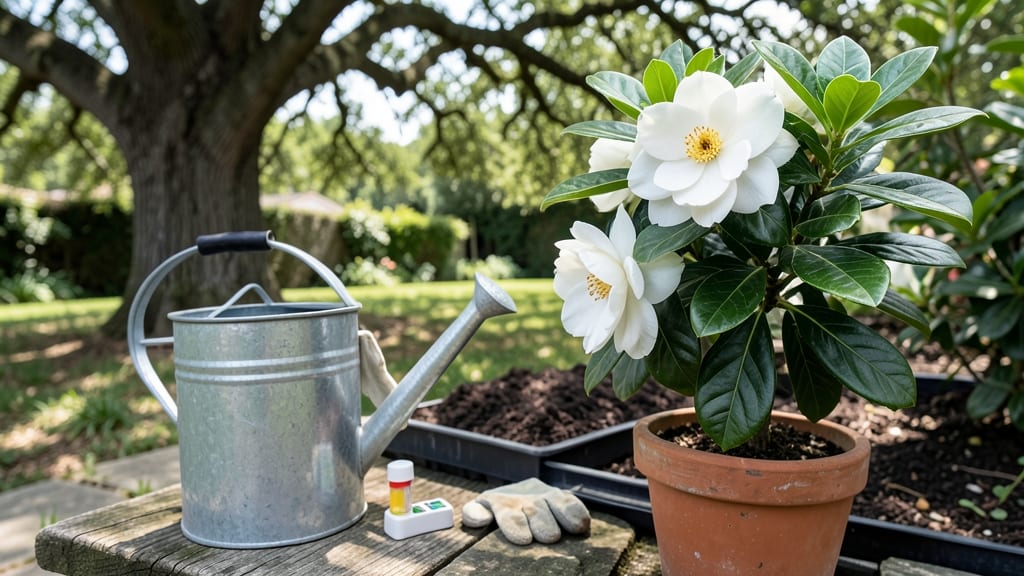
Gardenias are hard to take care of only if you don't meet their core requirements: they prefer acidic, well-draining soil, partial shade, and steady moisture, though they demand patience for blooms and protection from extreme conditions.
Gardenias reward attentive care with stunning blooms, but their reputation for being finicky comes from specific needs rather than complexity.
The key is creating the right environment—think of them like tropical divas who thrive in humidity and gentle conditions. 🌸 I've found that maintaining a soil pH between 4.5 and 6.0 (using peat moss or sulfur) makes all the difference, while morning sun with afternoon shade prevents leaf scorch.
Even watering matters: too much causes root rot, but inconsistent moisture leads to bud drop.
What surprises many beginners is how quickly gardenias respond to proper care. With consistent conditions, they'll reward you with fragrant blooms in just a few months.
The biggest challenge isn't the maintenance itself but recognizing when you're providing the right balance—like noticing how leaves perk up when humidity increases or how buds form when temperatures stabilize. Patience truly is the secret ingredient here.
💡 In This Article
- Gardenia Care Essentials: Soil, Light, and Water Requirements
- Common Gardenia Mistakes and How to Fix Them
Gardenia care essentials: soil, light, and water requirements
The secret to gardenia success lies in replicating their native tropical habitat.
These plants evolved in acidic, well-draining soils with pH levels between 4.5 and 6.0, similar to the conditions found in their natural range across Southeast Asia. 🌱 The acidity isn't just about chemistry—it's about unlocking the plant's ability to absorb essential nutrients like iron and manganese, which are crucial for vibrant foliage and abundant blooms.
Without proper acidity, you'll notice stunted growth or yellowing leaves, a classic sign of nutrient deficiency.
Light exposure requires precision: gardenias crave bright, indirect light with 4-6 hours of morning sun followed by afternoon shade. This balance prevents leaf scorch while maintaining the energy needed for photosynthesis.
Think of it like a sunbathing routine—too much direct afternoon sun acts like a sunburn, causing brown patches on leaves. I've seen gardenias in full sun locations struggle, while those in east-facing windows or lightly shaded patios thrive with glossy, dark green leaves and frequent blooms.
Watering follows the "consistently moist but never soggy" rule. Gardenias have shallow root systems that require 1-1.5 inches of water per week, delivered through the top of the soil. The key is maintaining even moisture without waterlogging—this means checking soil moisture by sticking your finger 1-2 inches deep.
If it feels dry, water thoroughly until it drains from the bottom. Overwatering triggers root rot by depriving roots of oxygen, while inconsistent watering causes buds to drop before opening, a frustrating but common mistake.
Humidity plays a hidden but critical role. Gardenias originate from tropical regions where air moisture hovers around 50-60%, so indoor plants often need extra care. In dry climates, I recommend using a pebble tray with water or a humidifier nearby to mimic their natural environment.
The difference is striking—plants in higher humidity develop thicker leaves and more blooms compared to those in dry air. Even misting leaves lightly in the morning can help, though avoid wetting the flowers to prevent fungal issues.
Seasonal adjustments matter too. During winter, when indoor air gets dry from heating systems, reduce watering slightly and increase humidity. In summer, you might need to water more frequently, especially if your gardenia is in a pot that dries out quickly.
The goal is always to keep conditions stable—gardenias hate sudden changes in their environment, which can cause stress and bud drop. Think of them like delicate glassblowers: they need steady hands and consistent conditions to create their masterpieces.
One often-overlooked factor is drainage. Gardenias despise sitting in water, so containers must have drainage holes. I've seen many gardeners repot their plants without checking this, leading to root rot. Always use a pot with drainage and a cache pot underneath to collect excess water.
For container gardeners, mixing 50% peat moss or pine bark with 50% perlite or sand creates the ideal well-draining, acidic mix that gardenias crave.