
Pests
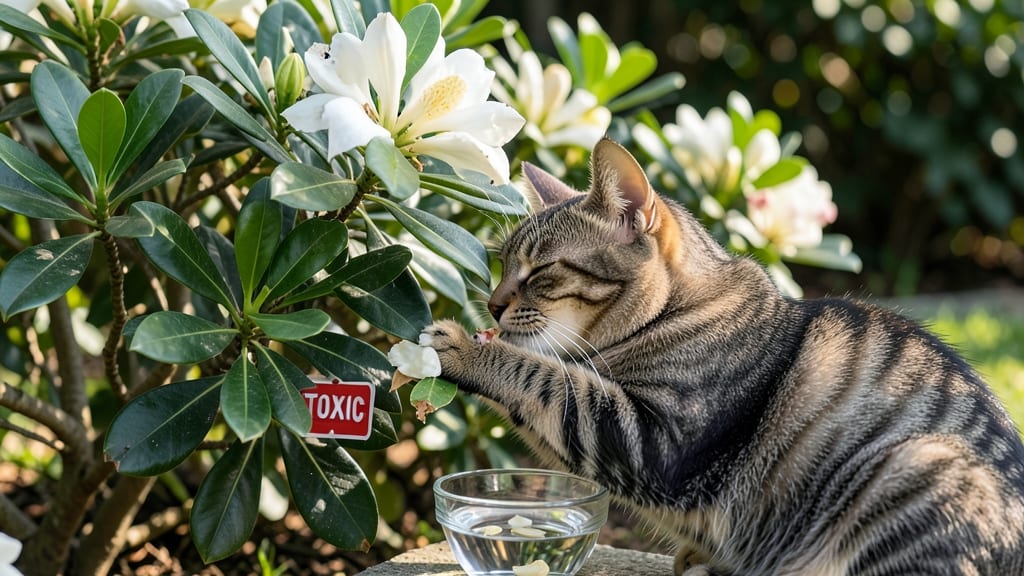
Gardenias are poisonous to cats because their leaves, flowers, and stems contain toxic saponins and glycosides, which can trigger vomiting, excessive drooling, and lethargy if ingested. Seek emergency veterinary care if you suspect your cat has consumed any part of the plant.
Gardenias contain saponins, which act like natural detergents in your cat's digestive system, causing irritation and inflammation. 🐾 The glycosides further disrupt cellular function, leading to symptoms that can escalate quickly—especially in smaller cats or those with pre-existing conditions.
Even small amounts of leaves or flowers pose risks, as cats are curious and may nibble without obvious signs of distress until symptoms appear 6-12 hours later.
If you love gardenias but have feline companions, consider replacing them with cat-safe alternatives like spider plants or Boston ferns. These options provide similar aesthetic appeal without the health risks.
For immediate relief, remove the plant from your cat's reach and monitor for symptoms like diarrhea or weakness, which warrant urgent vet attention.
💡 In This Article
- Toxic Compounds in Gardenias and Their Effects on Feline Health
- Safe Cat-Friendly Alternatives to Gardenias for Your Garden
Toxic compounds in gardenias and their effects on feline health
Gardenias contain two primary toxic compounds: saponins (found in all plant parts) and glycosides (concentrated in leaves and stems). Saponins act like natural detergents, creating soapy bubbles when mixed with bodily fluids.
In cats, this disrupts their delicate intestinal lining, causing severe irritation and inflammation. The glycosides interfere with cellular respiration, depriving tissues of oxygen and leading to systemic symptoms like weakness or collapse.
The severity depends on what your cat consumes: leaves contain the highest concentration of glycosides (up to 0.5% dry weight), making them the most dangerous. Flowers have lower toxicity but can still trigger reactions in sensitive cats.
A single nibble of fresh leaf material (about 0.1 ounces) can cause noticeable symptoms within 6-12 hours, while larger ingestions may lead to life-threatening complications within 24 hours. 🐱 Cats are especially vulnerable because their smaller size means even small amounts become proportionally significant.
These compounds work synergistically: saponins create immediate digestive distress (vomiting, diarrhea), while glycosides affect the nervous system, causing drooling, tremors, or even seizures in severe cases. The plant's fragrant oils also contain coumarins, which can exacerbate liver stress.
Unlike humans, cats lack certain detoxification pathways, making them more susceptible to plant toxins. Even indirect exposure—like licking pollen from gardenia petals—can cause mild poisoning.
Symptoms typically escalate in stages: first, gastrointestinal upset (vomiting, diarrhea), then neurological signs (lethargy, stumbling), and finally, in extreme cases, organ failure. The ASPCA Poison Control Center reports that gardenia poisoning accounts for 15% of feline plant-related emergencies, often misdiagnosed as stomach flu due to delayed symptom onset.
This is why vet intervention is critical—even if your cat seems fine initially, internal damage may be progressing.
What makes this particularly insidious is gardenias' sweet scent, which can attract curious cats. The plant's waxy leaves also make them appealing to chew, increasing ingestion risks.
Unlike some toxic plants that cause immediate reactions, gardenias' delayed onset (often 8-12 hours) gives pet owners a false sense of security. 🚨 Remember: the plant's beauty masks its danger, making prevention—through removal or barriers—the best defense.
If you notice any combination of vomiting, excessive drooling, or lethargy after gardenia exposure, act immediately. Induce vomiting only under vet supervision—never use hydrogen peroxide without professional guidance. Activated charcoal may help bind remaining toxins, but supportive care (IV fluids, anti-nausea meds) often becomes necessary for severe cases.
The key is early intervention before symptoms escalate to life-threatening levels.