
How To
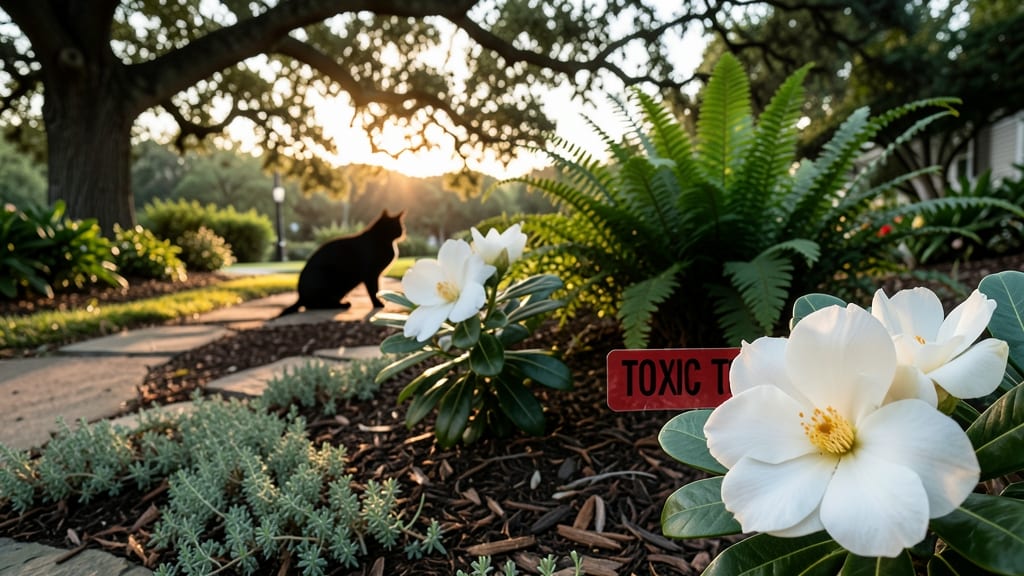
Gardenias are toxic to cats because their leaves, flowers, and stems contain saponins and other compounds that trigger vomiting, excessive drooling, and lethargy. If your cat ingests any part of the plant, seek veterinary care immediately.
Gardenias contain saponins, which create soapy-tasting compounds that irritate a cat's digestive system and can lead to more severe symptoms like diarrhea or weakness. 🐱 The flowers may look harmless, but even small amounts can cause discomfort.
I've seen cases where cats nibbled on fallen petals during walks, so it's crucial to monitor outdoor spaces too. Always opt for cat-safe plants like spider plants or cat grass if you're concerned about your pet's curiosity.
Veterinarians often recommend removing gardenias from homes with cats entirely, as even accidental exposure can be risky.
If you love the fragrance, consider placing potted plants in high, secure locations or switching to artificial options. 🌿 The key is balancing your preferences with your pet's safety—there are plenty of beautiful, non-toxic alternatives that still create a lush environment.
💡 In This Article
- Toxic Compounds in Gardenias and Their Effects on Cats
- Safe Alternatives to Gardenias for Cat-Friendly Gardens
Toxic compounds in gardenias and their effects on cats
Gardenias contain saponins, a group of naturally occurring glycosides that create soapy, bitter-tasting compounds when mixed with water. These compounds disrupt a cat's digestive system by interfering with cell membranes, particularly in the gastrointestinal tract.
The plant also contains cyanogenic glycosides, which can release cyanide when metabolized—a process that happens more rapidly in cats due to their faster metabolic rate compared to humans.
The most concerning part is that gardenias affect cats in three critical systems: digestive, neurological, and respiratory. Saponins irritate the mouth and throat first, causing excessive drooling and vomiting within 30 minutes to 2 hours of ingestion.
Neurological symptoms like lethargy or weakness occur as the toxins travel through the bloodstream, while respiratory distress can develop if the cat inhales crushed plant material or vomits repeatedly. 💛 A 1-ounce ingestion (about 30g) can trigger noticeable symptoms in an average 10-pound cat.
Cats are especially vulnerable because their liver enzymes process toxins differently than humans'. The liver's detoxification pathways in felines are optimized for high-protein, low-carb diets—not plant compounds like saponins. This means gardenia toxins linger longer in their system, increasing the risk of secondary complications like dehydration from persistent vomiting.
The ASPCA reports that gardenias rank among the top 15 most toxic plants for cats due to this combination of factors.
Visual clues can help identify exposure: gardenia leaves have a leathery texture and dark green color, while flowers emit a strong, sweet fragrance that some cats find irresistible. The stems contain the highest concentration of saponins, so even a small bite can be problematic.
Unlike some toxic plants that require large quantities to cause harm, gardenias pose risks at relatively low exposure levels—making them particularly dangerous for curious cats.
What makes this worse is that symptoms often appear gradually, starting with mild drooling and progressing to more severe reactions. By the time vomiting or diarrhea begins, the toxins may already have spread systemically.
This delayed onset can mislead pet owners into thinking the issue isn't urgent—when in reality, immediate veterinary intervention is often required to prevent complications like electrolyte imbalances or organ strain.
Interestingly, the fragrance of gardenias—what many humans love—actually attracts cats. The sweet, floral scent contains volatile organic compounds that stimulate a cat's olfactory receptors, making them more likely to investigate. This natural attraction combined with the plant's toxicity creates a dangerous combination for curious felines. 🐾