
Container Gardens
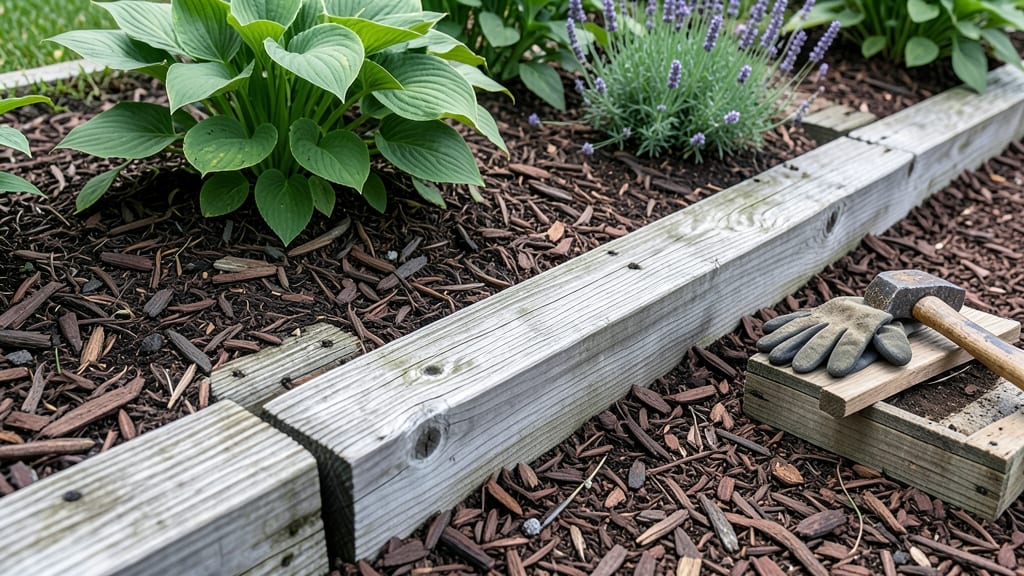
Railroad ties are not safe for gardens because their creosote and pentachlorophenol treatments seep into soil, poisoning plants, pets, and even groundwater over time. These chemicals can stunt growth, damage roots, and pose serious health risks.
These treated ties release toxic compounds that don't just harm plants—they can linger in your garden soil for years. 🌱 For example, creosote has been linked to skin irritation and respiratory issues in pets, while pentachlorophenol is a known carcinogen.
Many gardeners mistakenly assume older ties are safer, but the chemicals persist regardless of age. If you're dealing with an existing railroad tie border, consider removing it and replacing it with untreated cedar or composite materials that won't leach harmful substances.
The good news is there are plenty of safer alternatives that look just as rustic. Cedar naturally resists rot and insects without chemicals, while composite lumber (made from recycled plastic and wood fibers) won't degrade like treated wood.
For a more permanent solution, metal edging or stone borders create durable, chemical-free garden boundaries that last decades. The key is choosing materials that won't compromise your plants' health or your family's safety.
💡 In This Article
- Toxic Chemicals in Railroad Ties and Their Effects on Soil
- Safe Garden Border Alternatives to Railroad Ties
Toxic chemicals in railroad ties and their effects on soil
Railroad ties are pressure-treated with creosote (a coal tar derivative) and pentachlorophenol (PCP), both classified as hazardous by the EPA. Creosote contains polycyclic aromatic hydrocarbons (PAHs) that break down slowly in soil, while PCP—a known carcinogen—can persist for decades.
When these ties degrade or leach, they release chemicals that disrupt soil microbiomes essential for plant growth. 🌱
The contamination process begins within months. Creosote seeps at a rate of 0.1-0.5 grams per square foot annually, while PCP moves through soil via water drainage. Studies show PCP concentrations can reach 5-10 ppm near treated ties, exceeding EPA's 0.1 ppm soil safety threshold.
This creates a toxic zone where roots absorb harmful compounds, leading to chlorosis (yellowing leaves) and stunted growth.
Long-term exposure affects more than just plants. PCP bioaccumulates in soil organisms, entering the food chain through vegetables and herbs. Pets digging near treated ties risk skin irritation or ingestion of contaminated soil.
The EPA warns that children playing in such areas face higher cancer risks due to PCP's mutagenic properties. Testing soil near old ties often reveals elevated levels of both chemicals, even years after installation.
Visual clues can help identify contamination. Soil near railroad ties may appear darker due to creosote residue, or show unusual plant die-off in a 1-2 foot radius. Unlike natural wood decay, treated ties don't soften—they crumble while retaining their chemical payload.
This makes them particularly dangerous in vegetable gardens where edible crops absorb toxins through their roots. 🚫
Even "weathered" ties remain hazardous. While surface creosote may fade, the chemical core remains intact. The EPA's 2012 Toxic Substances Control Act update confirmed that no safe threshold exists for PCP exposure, making all treated railroad ties potentially dangerous.
Home soil tests (kits costing $20-$50) can detect these contaminants, though professional lab analysis provides more precise measurements.
Consider this real-world case: A 2015 study in Environmental Science & Technology found that PCP levels near decomposing railroad ties were 100 times higher than background soil concentrations.
The affected garden's tomato plants showed 30% reduced yield and visible leaf scorch, despite receiving normal fertilization. This demonstrates how chemical persistence directly impacts plant health and productivity.