
Pests
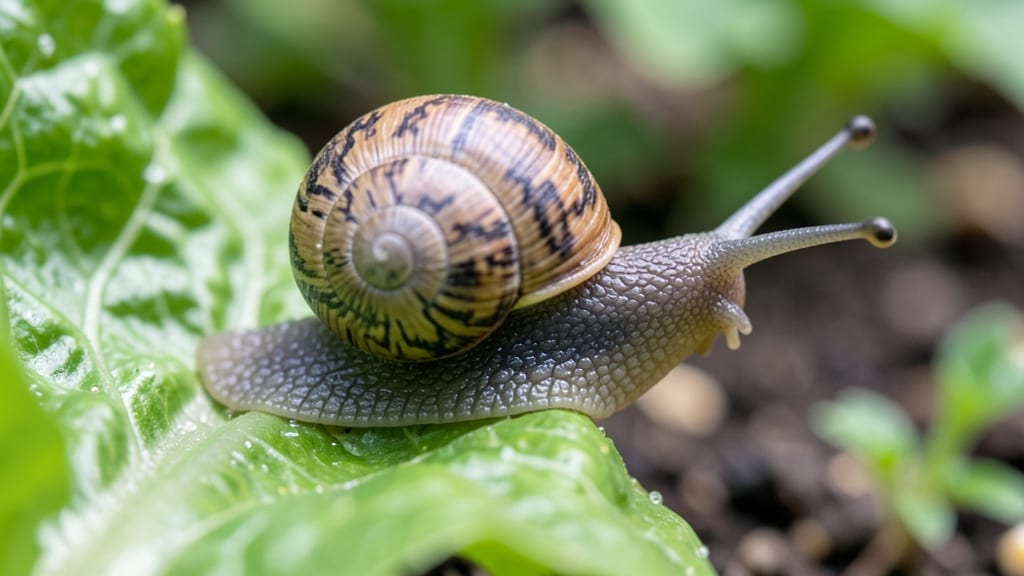
Growing a garden with snails can be good because they help control pests like aphids and break down organic matter, but they also eat young plants, leaves, and vegetables, so you'll need careful management to keep soil healthy and crops thriving.
Are snails good in a garden? They actually play a dual role in garden ecosystems. 🌱 On one hand, they act as natural pest controllers by feeding on smaller insects like aphids and slug eggs, which can reduce the need for chemical pesticides. Their feeding habits also help decompose organic matter, enriching the soil with nutrients over time. However, their appetite for tender plant leaves and stems can quickly turn beneficial into problematic if their numbers spiral out of control.
What makes this balance tricky is that snails thrive in moist, shaded environments—exactly where many garden vegetables and flowers grow best. Without intervention, a single snail can lay hundreds of eggs annually, leading to rapid population explosions.
The key is monitoring their presence and using targeted solutions like copper barriers or diatomaceous earth, which disrupt their feeding patterns without harming beneficial insects or soil microbes.
💡 In This Article
- How Snails Benefit Garden Soil and Ecosystems
- Managing Snail Populations Without Harming Plants
How snails benefit garden soil and ecosystems
Snails act as natural recyclers in garden ecosystems by consuming decaying plant matter, fallen leaves, and even small insects. Their saliva contains enzymes that break down cellulose, turning organic debris into nutrient-rich compost as they digest.
This process accelerates decomposition, returning essential minerals like nitrogen and potassium to the soil—similar to how earthworms improve soil structure, but with a finer texture due to their smaller size.
Their indirect pest control is equally valuable. Snails prey on soft-bodied insects like aphids, slug eggs, and even small caterpillars, reducing populations of these plant-damaging pests. Studies show that a single snail can consume up to 50 aphids per day, making them a natural ally against infestations.
Their presence also encourages biodiversity by providing food for birds, frogs, and other predators that help maintain ecological balance in the garden.
Beyond decomposition, snails contribute to soil aeration through their burrowing habits. As they move through the soil, they create tiny channels that improve water drainage and root penetration. These channels are too small to notice individually, but collectively, they enhance soil structure—especially in dense or compacted areas.
The result is a more fertile growing medium that supports healthier plant roots and microbial activity.
However, their benefits come with a trade-off: snails prefer tender young plants and leaves, which can lead to visible damage if their numbers grow unchecked. The key lies in their role as both decomposers and potential pests—balancing their ecological contributions while managing their impact on crops.
For example, in a 100-square-foot garden bed, a controlled snail population (around 5-10 individuals) can provide noticeable pest control without causing significant plant loss.
What most gardeners don't realize is that snails also help with seed dispersal. As they move through the garden, they inadvertently transport seeds from one area to another, promoting plant diversity. This natural process is particularly beneficial in organic gardens where chemical interventions are limited.
Their mucus trails also create a micro-environment that supports beneficial fungi and bacteria, further enriching the soil ecosystem.
To maximize their benefits while minimizing harm, focus on creating a garden layout that directs their activity toward compost piles or designated mulch areas rather than your prized vegetables. Placing copper tape barriers around vulnerable plants can deter them without eliminating their ecological role entirely. 🌿