
Size
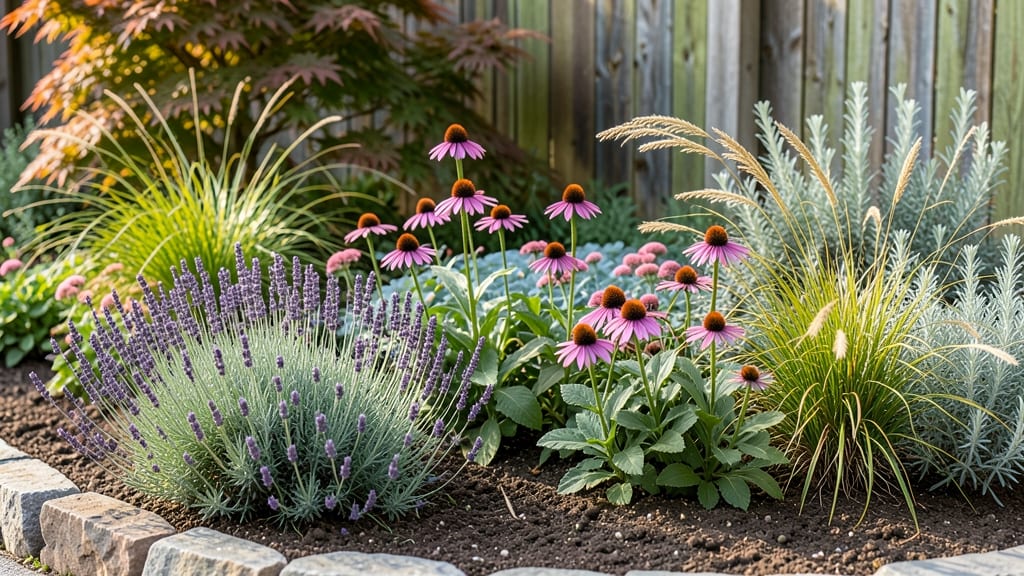
The average size of a garden ranges from 500 to 1,500 square feet for home gardens, with urban spaces typically smaller (200–500 sq ft) and rural or agricultural plots exceeding 5,000 sq ft. Regional climate and plant types influence optimal dimensions for yields and maintenance.
The size of your garden depends heavily on what you plan to grow and where you live.
In warmer climates like the Mediterranean, smaller gardens (500–1,000 sq ft) can produce abundant vegetables thanks to longer growing seasons, while colder regions may need larger spaces (1,500+ sq ft) to accommodate frost-sensitive crops. 🌱 For example, a vegetable garden typically requires more square footage than a flower bed—think 100 sq ft per person for fresh produce versus 20–50 sq ft for ornamental plants.
Urban gardeners often maximize vertical space with trellises or raised beds to compensate for limited ground area.
If you're working with tight spaces, focus on high-yield crops like leafy greens or herbs, which thrive in smaller areas. Larger plots allow for crop rotation and more diverse planting, but even small gardens can be productive with smart planning.
Always measure your space carefully and consider sun exposure—most vegetables need at least 6–8 hours of sunlight daily.
💡 In This Article
- How Climate and Plant Types Affect Garden Size
- Designing an Efficient Garden Layout by Space Constraints
How climate and plant types affect garden size
Climate plays a pivotal role in determining how much space you need for a productive garden. In Mediterranean climates with mild winters and hot, dry summers, a 500–1,000 sq ft garden can yield abundant vegetables like tomatoes, peppers, and herbs thanks to year-round growing potential.
Meanwhile, in temperate zones with shorter growing seasons, gardeners often require 1,500+ sq ft to accommodate frost-sensitive crops like corn or melons, which need more time to mature. The key difference? Warmer climates allow for two growing seasons per year, while cooler regions may only support one.
Plant type density also dictates garden size needs. Vegetable gardens demand more space—typically 100 sq ft per person—because crops like zucchini or pumpkins sprawl widely. In contrast, ornamental gardens (flowers, shrubs) thrive in 20–50 sq ft per plant, making them ideal for smaller urban plots.
For example, a 1,000 sq ft vegetable garden might grow 50 tomato plants, while the same space could host 200 flowering plants without crowding. 🌿
Microclimates—localized areas with unique conditions—can drastically alter garden planning. A sunny south-facing wall might support heat-loving plants like basil or peppers in just 20 sq ft, while a shady corner could limit options to ferns or hostas.
Wind exposure also matters: Coastal gardens may need windbreaks (like hedges or fences) to protect delicate plants, reducing usable space. Even within a 500 sq ft plot, strategic placement of plants based on sunlight and wind can boost productivity by up to 30%.
Soil quality further refines garden size calculations. Rich, well-draining soil allows plants to grow closer together, while poor soil may require wider spacing to prevent competition for nutrients. For instance, strawberries need 12–18 inches between plants in fertile soil but may stretch to 24 inches in sandy or rocky ground.
Testing soil pH and organic matter content helps adjust spacing for optimal growth.
Seasonal variations also impact garden size. In regions with four distinct seasons, gardeners often rotate crops annually, requiring larger plots to accommodate different plants each year. Conversely, tropical climates allow for continuous planting, meaning a smaller garden can produce year-round.
For example, a 1,000 sq ft garden in Florida might yield twice as much as one in Minnesota due to extended growing windows. 🌍
Ultimately, the "average" garden size is a fluid concept—what works in one climate or for one plant type may not suit another. Start by assessing your local frost dates, sunlight patterns, and soil type, then tailor your garden’s dimensions to match these factors.
A well-planned 500 sq ft garden in the right conditions can outproduce a poorly designed 2,000 sq ft plot elsewhere.