
Pests
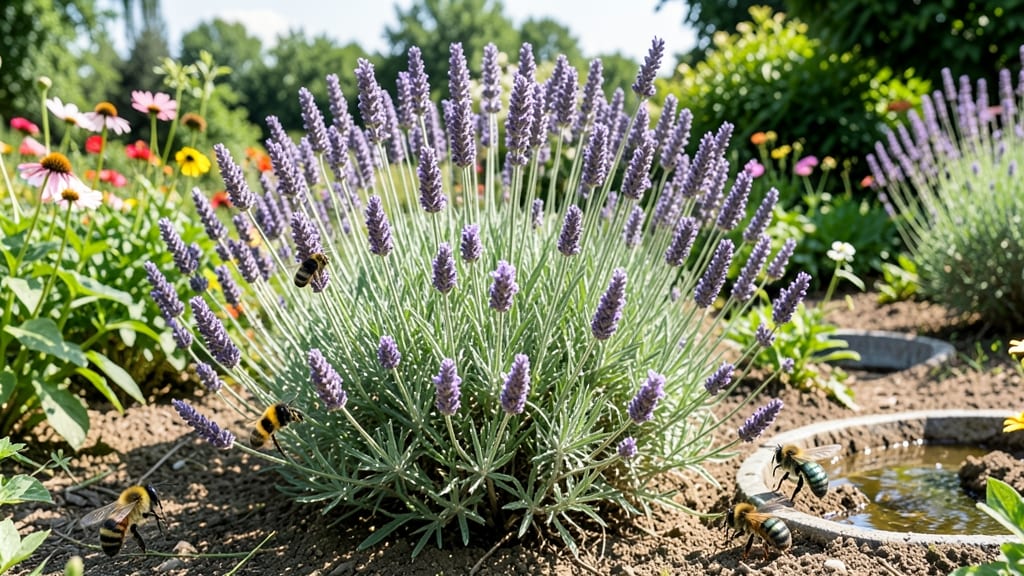
Creating a thriving garden for bees means planting native flowers like clover and lavender, providing fresh water sources, and eliminating pesticides. These elements attract pollinators naturally while supporting their essential role in your garden's ecosystem.
Bees in a garden aren't just beneficial—they're essential for pollinating your plants and boosting your harvest. 🐝 Native flowers like bee balm and coneflowers produce abundant nectar, while shallow water dishes with pebbles give bees a safe drinking spot.
The key is variety: different bee species prefer different flowers, so planting a mix ensures year-round activity. I've seen gardens transform when they remove chemical pesticides, as bees avoid treated areas entirely.
What many gardeners overlook is the importance of bare soil patches—some bees nest underground, and compacted soil prevents them from establishing colonies. Adding mulch around these areas helps maintain the right moisture balance while keeping the soil accessible.
Even a small garden can become a bee haven with these simple adjustments.
💡 In This Article
- Why Bees Choose Certain Garden Plants Over Others
- Best Year-Round Bee-Friendly Garden Design Tips
Why bees choose certain garden plants over others
Bees don't just land randomly on flowers—they're drawn to specific traits that signal high rewards. 🌸 The most critical factor is nectar richness, measured in sugar concentration (typically 15-30% sugar). Plants like lavender and sunflowers produce nectar with 25% sugar content, making them irresistible.
Bees also favor flowers with blue or purple hues (like bee balm) because these colors reflect ultraviolet light, which bees see as "honey guides" leading to the nectar.
Bloom timing matters just as much as color. Bees have evolved to forage during peak bloom periods, which vary by species. Early spring bees (like bumblebees) rely on crocus and violets, while summer bees prefer zinnias and cosmos.
The structure of the flower plays a role too—open-faced flowers (like clover) allow bees to access nectar easily, whereas tightly packed blooms (like some roses) frustrate them. Even the scent profile matters: bees detect floral scents through specialized antennae receptors, with sweet, fruity aromas being particularly effective.
Here's what happens when you plant the right flowers: bees perform a dance communication to share locations of high-value sources. A single bee can visit 50-100 flowers per minute, but they prioritize plants that offer both nectar and pollen.
Sunflowers, for example, provide 1,000-1,500 pollen grains per flower, while dandelions offer 80-100 grains—making sunflowers a bee superfood. The key is diversity: a garden with flowers blooming in 3-4 week intervals ensures bees always have food sources.
What most gardeners miss is that bees also evaluate accessibility—they avoid flowers with deep corollas (like foxgloves) that require them to "dive" for nectar. Instead, they prefer shallow, flat blooms where they can land and feed efficiently.
Even the texture of petals matters: smooth surfaces allow bees to walk easily, while fuzzy petals (like on some peonies) can trap them. This is why native plants—evolved alongside local bee species—are often the best choices.
Consider this comparison: a single lavender plant can attract 50-100 bees in peak bloom, while a single rose bush might attract only 5-10. The difference? Lavender's open structure and high nectar yield make it a bee magnet.
Even the time of day matters—morning-blooming flowers (like morning glories) attract early foragers, while afternoon bloomers (like evening primrose) feed later bees. 🌿
Pro tip: Place bee-friendly flowers in clusters of 3-5 plants rather than scattered singles. This creates a visual beacon that bees can locate more easily from up to 500 feet away. The contrast between your garden's blooms and surrounding vegetation makes them stand out to foraging bees.
This clustering effect is why wildflower meadows are so effective—bees can find food sources quickly without expending energy searching.