
Fertilization
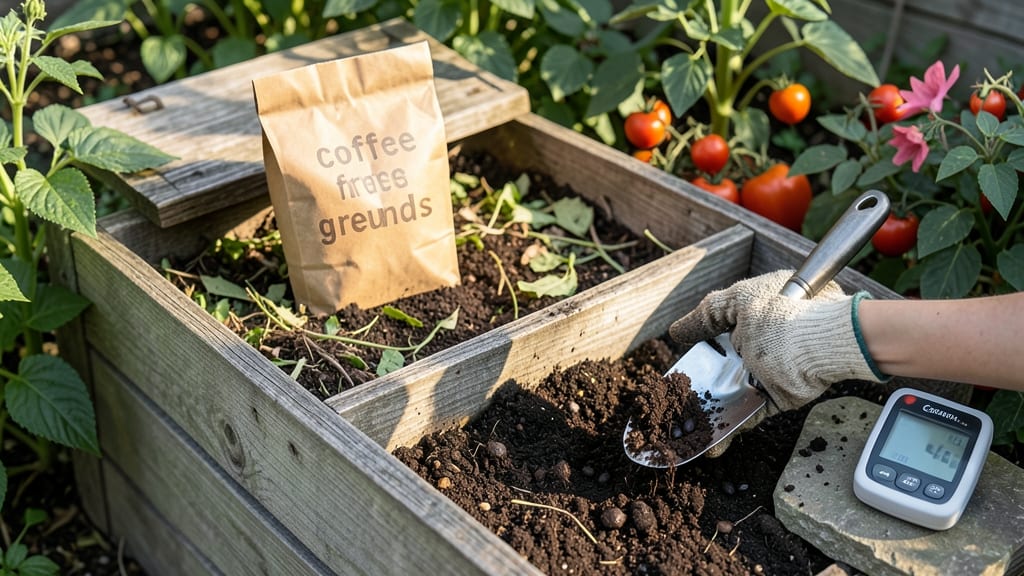
The benefits of coffee grounds in the garden include boosting soil acidity, providing nitrogen and organic matter, repelling pests like slugs and cats, and improving composting while promoting beneficial microbial life. Use them sparingly to prevent over-acidifying the soil.
The nitrogen-rich composition of used coffee grounds acts as a natural fertilizer, feeding plants like blueberries and azaleas that thrive in slightly acidic conditions. 🌱 Beyond nutrients, the caffeine content in grounds acts as a mild pesticide, discouraging slugs and other garden pests while attracting earthworms that aerate the soil.
For best results, mix grounds into compost piles or sprinkle them lightly around plants—never apply them thickly, as this can create mold or compact the soil.
What makes coffee grounds particularly effective is their dual role as both a nutrient source and a soil conditioner. The organic matter breaks down slowly, releasing nutrients over time, while the slightly acidic nature helps adjust pH levels for acid-loving plants.
I’ve found that combining them with other compost materials—like grass clippings or shredded leaves—creates a balanced, nutrient-dense amendment that improves soil structure and moisture retention.
💡 In This Article
- How Coffee Grounds Enhance Soil Health and Plant Growth
- Practical Ways to Use Coffee Grounds in Your Garden
How coffee grounds enhance soil health and plant growth
Coffee grounds work their magic through a combination of nitrogen release and microbial stimulation. When grounds decompose, they break down into humus—a dark, nutrient-rich organic material that improves soil structure.
The nitrogen content (about 2% by weight) is particularly valuable for plants, especially those like blueberries, azaleas, and rhododendrons that prefer slightly acidic soil with pH levels between 4.5 and 6.0.
The caffeine in grounds acts as a natural fungicide, inhibiting harmful pathogens while encouraging beneficial microbes like mycorrhizal fungi that help roots absorb nutrients.
The texture of the grounds also plays a crucial role in their effectiveness. Finely ground coffee decomposes much faster—within 4-6 weeks—releasing nutrients quickly but potentially raising soil acidity too rapidly.
Coarser grounds take 2-3 months to break down, providing a slower, steadier nutrient release that mimics natural organic matter decomposition. This slower breakdown also prevents the formation of mold, which can occur if grounds are applied too thickly or in clumps.
The porous structure of decomposed grounds improves soil aeration, allowing roots to access oxygen more easily.
One of the most underrated benefits is how coffee grounds attract earthworms—nature's soil plow. These worms create burrows that improve drainage and aeration while mixing organic matter into the soil.
Studies show that gardens amended with coffee grounds can see a 30-50% increase in earthworm activity within 8-12 weeks, compared to untreated soil. The worms' castings further enrich the soil with additional nutrients, creating a self-sustaining cycle.
This microbial boost also enhances the soil's ability to retain moisture, reducing watering needs by up to 20% for plants like tomatoes and peppers.
However, the benefits aren't universal—overuse can backfire. Coffee grounds lower soil pH, which may harm plants like potatoes, asparagus, or most vegetables that prefer neutral to slightly alkaline conditions (pH 6.0-7.5).
The key is balance: mixing grounds with compost or other organic materials dilutes their acidifying effect while maintaining their nutrient benefits. For example, combining 1 part coffee grounds with 3 parts compost creates an ideal amendment that improves soil without risking over-acidification.
The science behind coffee grounds' pest-repelling properties is fascinating too. The caffeine in grounds acts as a natural slug and snail deterrent by disrupting their mucus production, making movement difficult. Cats avoid the area because the strong aroma masks scent markers they use to claim territory.
Even deer tend to steer clear of gardens where coffee grounds are regularly applied, thanks to the combined effects of the smell and altered soil chemistry. This makes grounds an excellent low-cost, chemical-free pest control option for organic gardeners.
For maximum effectiveness, apply grounds in thin layers—no more than ½ inch—and always mix them into the top 2-3 inches of soil rather than leaving them on the surface. Surface applications can create a crust that repels water, while proper incorporation ensures even distribution of nutrients.
The best time to apply them is during spring planting or early fall, when microbial activity is highest and plants can utilize the released nutrients most efficiently.