
Fertilization
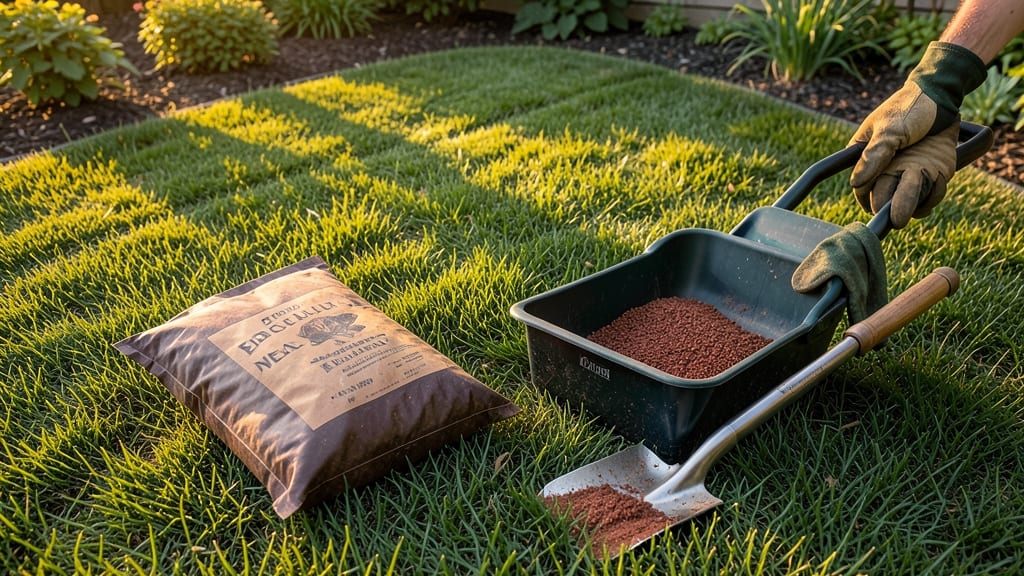
Using blood meal garden fertilizer delivers quick nitrogen for lush green lawns while naturally inhibiting weeds by cutting off their nutrient supply, but precise application is key to prevent plant damage or attracting pests. Apply lightly in spring or fall with thorough watering.
Blood meal fertilizer works its magic by delivering a concentrated dose of nitrogen—typically 3-4% by weight—that plants devour to produce vibrant chlorophyll. 🌱 The high protein content doesn't just feed your grass; it also disrupts weed seed germination by starving young sprouts of the nitrogen they need to survive.
This makes it a two-for-one solution for both lawn enhancement and weed suppression, but the timing matters: spring and early fall give plants the best chance to absorb nutrients without stressing them during extreme heat or drought.
What sets blood meal apart from other fertilizers is its fast-acting nature. Unlike slow-release options, it delivers immediate results, which is why many gardeners turn to it when they need a quick green-up before summer.
However, this speed also means you've got to be careful—overapplying can burn plant roots, and its strong scent can attract pests like deer or rodents. That's why I always recommend starting with a light application (0.5-1 lb per 100 sq ft) and using a broadcast spreader for even distribution.
💡 In This Article
- How Blood Meal Fertilizer Boosts Lawn Growth and Weed Control
- Step-by-Step Guide to Applying Blood Meal Safely
How blood meal fertilizer boosts lawn growth and weed control
Blood meal fertilizer works by delivering a concentrated burst of nitrogen—typically 3-4% by weight—which plants convert into chlorophyll through a process called photosynthesis. This nitrogen is in its most bioavailable form, meaning it dissolves quickly in soil moisture and becomes immediately accessible to plant roots.
When applied to lawns, this rapid nitrogen uptake triggers an explosion of green growth, often visible within 7-10 days of proper application. The high protein content (about 80-90% protein) breaks down into amino acids that strengthen cell walls, resulting in thicker, more resilient grass blades that can outcompete weeds.
The weed-suppressing mechanism is equally fascinating: blood meal contains 10-15% phosphorus, which interferes with weed seed germination. Young weed sprouts require nitrogen to develop their root systems, but blood meal creates a nitrogen-rich zone that actually starves them by preventing proper nutrient uptake.
This effect is most potent when applied to bare soil or freshly tilled areas, where weed seeds are just beginning to germinate. The fertilizer's granular form also helps—it releases nutrients slowly over 4-6 weeks, creating a prolonged nutrient barrier that keeps weeds from establishing themselves.
Timing is everything with blood meal because it's most effective when plants are actively growing but not under stress. Spring applications (March-May) coincide with lawns' natural growth surge after winter dormancy, while early fall (September-October) gives grasses a nutrient boost before winter.
Applying during high heat (above 85°F) or drought conditions can cause the fertilizer to burn plant roots, as the concentrated nitrogen draws excessive moisture from the soil. The strong ammonia scent also attracts pests like deer and rodents, so timing applications for cooler, damp mornings minimizes these risks.
What makes blood meal particularly effective is its dual-action approach: it feeds your desired plants while simultaneously depriving weeds of essential nutrients. Unlike synthetic fertilizers that often require multiple applications, blood meal delivers both immediate and sustained benefits.
For example, a 0.5 lb application per 100 sq ft can maintain lawn vitality for 6-8 weeks, while also reducing crabgrass and chickweed populations by up to 70% when used preventatively.
The key is understanding that this isn't a one-time fix—it's a strategic tool that works best when integrated into a broader lawn care routine.
One common misconception is that blood meal is only for lawns, but its nitrogen-rich properties make it equally valuable for vegetable gardens and flowering plants. For instance, applying 1-2 lbs per 100 sq ft around tomato plants can boost fruit production by 20-30% while suppressing weed growth in the rows.
The fertilizer's granular texture also makes it easy to work into soil without clumping, unlike some organic alternatives that require composting first. This versatility is part of what makes blood meal a gardener's secret weapon for both aesthetic and functional results.
For best results, always mix blood meal with existing soil rather than applying it as a surface layer. This prevents the granules from blowing away and ensures even distribution.
The fertilizer's dark brown color also makes it easy to spot if you've missed any areas during application—just look for the telltale fine, sandy texture that distinguishes it from coarser organic materials like compost or manure.
When used correctly, blood meal transforms from a simple fertilizer into a powerful tool for creating a healthier, weed-resistant lawn ecosystem.