
Vegetables
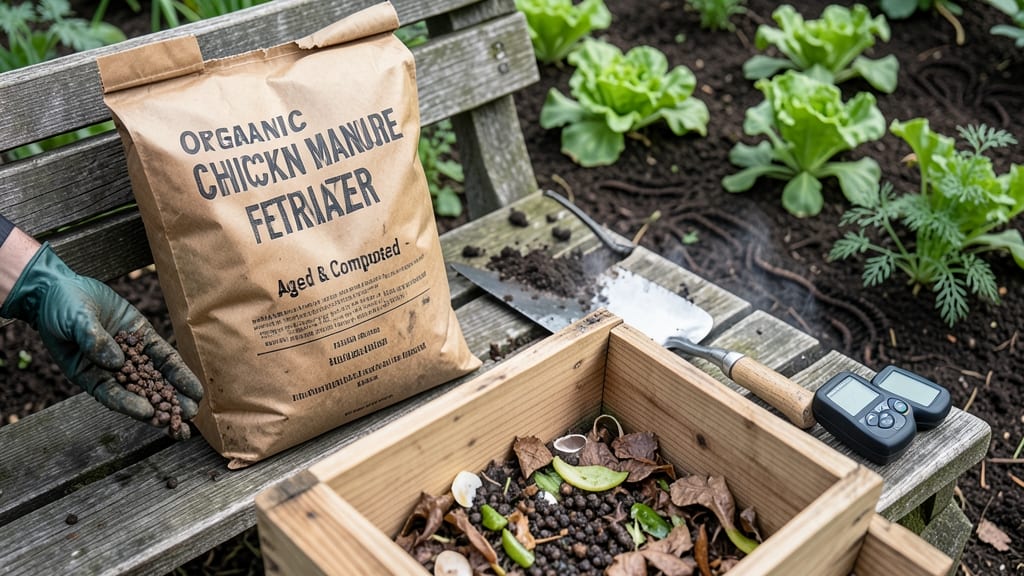
Chicken manure is good for gardens because it provides an excellent nitrogen boost that enhances soil fertility, but it must be composted or aged for at least 6 months to prevent burning plants and introducing weed seeds. Always use it sparingly and keep it away from direct root contact.
Chicken manure is one of the most nutrient-dense organic fertilizers you can use, thanks to its high nitrogen content—up to three times more than cow manure. 🌱 This makes it a powerhouse for leafy greens, vegetables, and fast-growing plants, but the key is proper preparation.
Fresh manure can scorch plants due to its high ammonia levels, which is why composting is non-negotiable. Even after aging, I recommend mixing it into the soil rather than applying it as a top dressing to avoid concentration issues near roots.
Beyond nitrogen, chicken manure introduces beneficial microbes that break down organic matter, creating a healthier soil ecosystem. However, its fine texture means it can compact easily, so I often mix it with coarser materials like straw or wood chips during composting.
For best results, apply it in early spring or fall when plants can utilize the nutrients without stress.
💡 In This Article
- How Chicken Manure Enhances Soil Fertility
- Safe Application Methods for Chicken Manure in Gardens
How chicken manure enhances soil fertility
Chicken manure packs a nutrient punch with nitrogen levels reaching 2-4% by weight, making it one of the richest organic sources available.
This nitrogen content is crucial for leafy greens and vegetables that require rapid growth, as it directly fuels chlorophyll production and cell expansion. 🌱 The high nitrogen also attracts beneficial microbes that break down complex organic matter into plant-available forms, creating a self-sustaining nutrient cycle in your soil.
What sets chicken manure apart is its microbial diversity. Studies show it contains 10-15 times more bacteria than cow manure, including species like Pseudomonas and Bacillus that help suppress harmful pathogens while improving soil structure.
These microbes also produce enzymes that convert insoluble phosphorus into forms plants can absorb, addressing another critical nutrient deficiency in many garden soils.
The nutrient release happens gradually through a process called mineralization, where microbes decompose the organic matter over weeks or months. This slow-release mechanism prevents nutrient spikes that could burn plants, unlike synthetic fertilizers that provide immediate but short-lived boosts.
For example, a 1-inch layer of composted chicken manure can supply nitrogen equivalent to 10 pounds of synthetic urea per 100 square feet over a growing season.
Beyond nutrients, chicken manure improves soil texture by adding organic matter that enhances water retention and aeration. The fine particle size helps sandy soils hold moisture while breaking up clay's dense structure.
However, this same fine texture means it can compact if not properly mixed with bulkier materials during composting, which is why I always recommend combining it with straw or wood chips at a 3:1 ratio for optimal results.
One visual clue of its effectiveness is the dark, crumbly texture of well-aged chicken manure compost. When properly decomposed, it resembles high-quality potting soil with a rich earthy aroma—nothing like the pungent ammonia smell of fresh manure.
This transformation indicates the microbial activity has fully converted the raw materials into a stable, plant-friendly amendment.
The timing of application matters too. Spring applications give plants a head start, while fall applications build soil fertility for next year's crops. The key is patience—rushing the composting process can leave behind weed seeds and pathogens, so always allow that 6-month minimum aging period before garden use.