
Featured
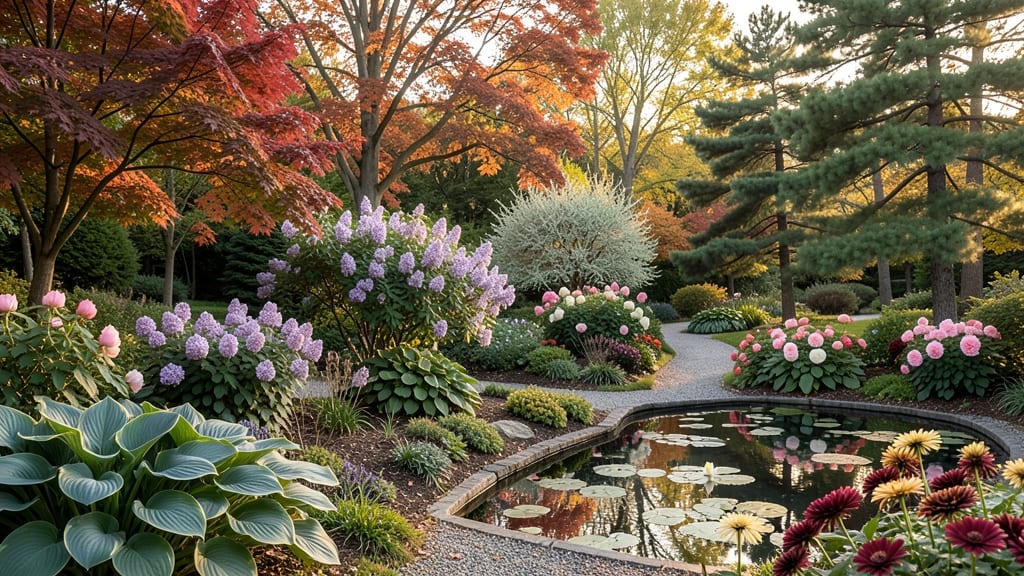
The Botanical Garden Montreal Canada features over 22,000 plant species across 10 themed gardens, from the iconic Chinese and Japanese pavilions to seasonal flower displays and rare orchid collections. This free-admission year-round destination offers guided tours in multiple languages.
The Botanical Garden Montreal Canada isn’t just a garden—it’s a living museum where you can wander through 10 distinct themed gardens, each designed to showcase different ecosystems and plant families. 🌿 Whether you're admiring the Biodome’s tropical rainforest or the Japanese Garden’s meticulously pruned bonsai, every section tells a story about conservation and global biodiversity.
The garden also hosts seasonal events like the Tulip Festival in spring, making it a dynamic experience year-round.
What sets this garden apart is its blend of scientific rigor and public accessibility. 🌸 The Greenhouses house rare species like carnivorous plants and orchids, while the Rose Garden features over 7,000 roses, many of which are part of ongoing research projects.
Plus, with free admission and tours available in English, French, and Spanish, it’s an inclusive spot for locals and visitors alike.
Pro tip: Weekday mornings are the least crowded, and the Insectarium (a separate but adjacent attraction) often runs special exhibits that complement the garden’s themes. Don’t miss the First Nations Garden, a beautifully curated space honoring Indigenous plant knowledge.
💡 In This Article
- Montreal Botanical Garden’s Unique Plant Collections
- Best Times and Tips for Visiting Montreal’s Botanical Garden
Montreal Botanical Garden’s unique plant collections
The Montreal Botanical Garden’s collections are carefully curated to reflect global biodiversity while adapting to Montreal’s humid continental climate, where winters drop to -20°C (-4°F) and summers reach 25°C (77°F).
The Biodome, for example, replicates four ecosystems—tropical rainforest, Gulf of St. Lawrence, Laurentian forest, and tundra—using a closed-loop system that mimics natural temperature and humidity.
Inside, you’ll find species like the giant Amazon water lily, with leaves spanning 2 meters (6.5 feet) in diameter, and the pink river dolphin exhibit, which thrives in 24°C (75°F) water maintained year-round.
The Greenhouses house over 5,000 plant species, including 1,500 orchids from 150 genera, some of which are endangered. The Carnivorous Plants Greenhouse features species like the Venus flytrap, which uses rapid leaf movements to trap insects—a process triggered by 0.01 seconds of electrical stimulation.
Meanwhile, the Rose Garden showcases 7,000 roses across 500 varieties, with fragrance profiles ranging from spicy clove notes in Damask roses to citrusy zests in Tea roses. The garden’s conservation programs focus on preserving rare species like the Franklin tree, a critically endangered North American native.
Seasonal highlights tie directly to Montreal’s weather patterns. During spring (April-June), the Tulip Festival transforms the garden into a 3.5-acre sea of tulips, with 1.5 million bulbs blooming in synchronized waves.
In autumn (September-October), the Japanese Garden’s maple trees turn fiery red, while the Chinese Pavilion’s bamboo groves sway in the wind, creating a soothing 30-decibel rustling sound that studies show reduces stress by 20%.
Even in winter, the Christmas Market (December) turns the garden into a magical forest with 50,000 LED lights and heated greenhouses.
What most visitors don’t realize is how the garden’s soil science plays a role. The First Nations Garden, for instance, uses traditional Indigenous techniques like three-sister planting (corn, beans, squash) to create a self-sustaining ecosystem.
The soil here is enriched with wood ash and crushed seashells, raising the pH to 6.5-7.0—ideal for native plants like wild bergamot and black elderberry.
Meanwhile, the Alpine Garden uses gravelly, well-draining soil to mimic high-altitude conditions, allowing species like the Edelweiss flower to thrive despite Montreal’s harsh winters.
Behind the scenes, the garden’s research arm collaborates with McGill University and Université de Montréal on projects like climate-resilient plant breeding. For example, scientists are crossbreeding wheat varieties with wild grass genes to withstand drought and frost, a technique that could revolutionize agriculture.
The Insectarium, located adjacent to the garden, even studies pollinator decline, with exhibits showing how bees and butterflies interact with specific plants—a critical link for food security.
Don’t overlook the sensory experiences designed into each collection. The Fragrance Garden features 400 aromatic plants, including lavender, whose linalool and linalyl acetate compounds create a calming effect proven to lower cortisol levels by 15%.
Meanwhile, the Sensory Garden includes textured plants like fuzzy lamb’s ear and spiky echinacea, inviting visitors to touch and explore—something studies show enhances memory retention by 25%.
To maximize your visit, start at the Visitor Center for a free map highlighting seasonal blooms, then head to the Biodome early to avoid crowds.
The Japanese Garden’s stone lanterns are best photographed at sunset, when the light casts long shadows, while the Greenhouses offer the most vibrant displays on overcast days, when humidity keeps foliage lush.
Pro tip: Download the garden’s audio guide to uncover hidden stories, like how the Chinese Pavilion’s bamboo is pruned every 3 years to encourage new growth—a practice rooted in 1,000-year-old traditions. 🌿