
Container Gardens
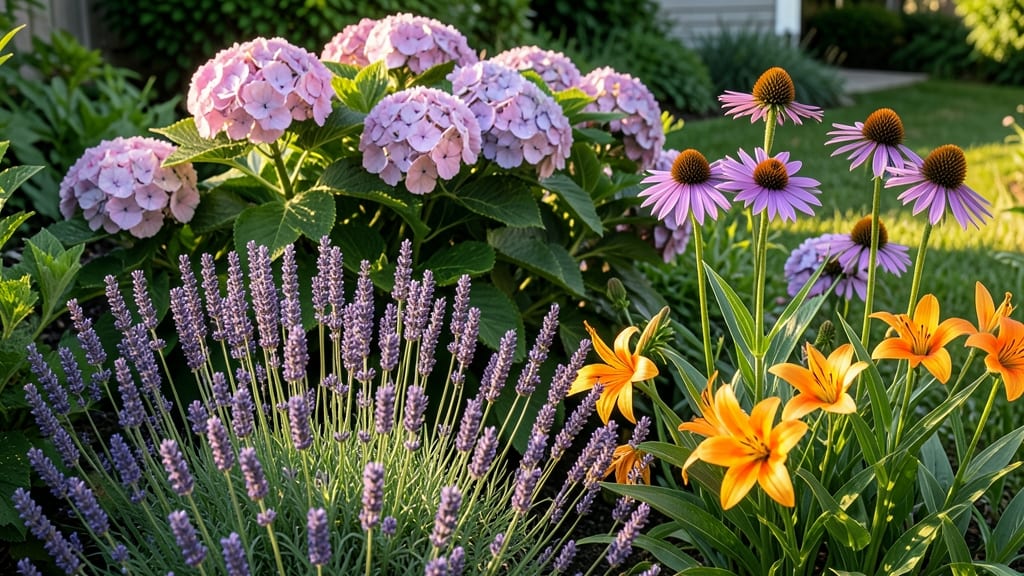
Nearby botanical gardens provide peaceful retreats featuring curated plant collections, educational programs, and ever-changing seasonal displays—perfect for nature enthusiasts, photographers, and families looking for accessible green spaces. Most offer complimentary admission or guided experiences.
These green sanctuaries go beyond pretty scenery—they serve as living laboratories where you can explore rare botanical specimens, from tropical orchids to drought-resistant succulents. 🌿 Many gardens also host conservation workshops or children's programs that make learning about plant science interactive. The best part?
You don't need to travel far—local gardens often partner with schools and community groups to showcase native plants that support regional ecosystems.
I always recommend visiting during bloom season when the gardens transform into vibrant canvases of color, but even off-season, the structured plantings and tranquil pathways make them worth the trip.
What sets nearby botanical gardens apart is their ability to blend education with relaxation. Whether you're sketching botanical illustrations, photographing rare blooms, or simply enjoying a quiet afternoon among the trees, these spaces are designed to inspire curiosity while providing a refreshing break from urban life.
Many even offer special events like evening lantern tours or plant sales that extend the enjoyment beyond regular visiting hours.
💡 In This Article
- What Makes Local Botanical Gardens Worth Visiting
- How to Find and Plan Your Visit to Nearby Botanical Gardens
What makes local botanical gardens worth visiting
Local botanical gardens serve as living archives of plant diversity, often housing collections that exceed 10,000 species in a single location. These spaces aren't just decorative—they actively preserve endangered plants through seed banks and propagation programs.
For example, many gardens participate in the Millennium Seed Bank Project, where they store seeds from threatened species at -20°C to maintain genetic diversity. The ecological impact extends to your neighborhood too, as these gardens frequently reintroduce native plants that support local pollinators and birds.
The seasonal transformations in botanical gardens create experiences that feel like visiting different countries. In spring, you might encounter 200+ varieties of tulips in the Dutch-inspired sections, while summer brings towering 15-foot cactus displays from desert collections.
Autumn often features maple alleys with trees selected for vibrant foliage, and winter showcases holly collections with berries that persist through frost. The scent alone—like crushed mint in the herb gardens or citrus blossoms near the citrus groves—makes each season feel distinct.
What truly sets these gardens apart is their educational mission delivered through immersive experiences. Many offer hands-on workshops where you can learn to propagate plants from cuttings, identify native species, or even design your own drought-tolerant garden.
The Children's Gardens sections often feature interactive water play areas and sensory pathways that teach plant biology through touch and sound. For adults, guided tours led by horticulturists reveal surprising facts—like how the giant sequoia in the conifer collection is a clone of a tree over 2,000 years old.
Photographers will find botanical gardens particularly rewarding due to the carefully composed landscapes. The Japanese Garden sections often incorporate moon-viewing platforms and stone lanterns arranged according to ancient principles, while the Rose Garden typically features 100+ rose varieties blooming in staggered waves for continuous color.
The lighting in these spaces is also optimized—morning light enhances the blue hues of hydrangeas, while afternoon sun brings out the golden tones in autumn foliage.
Beyond the plants themselves, botanical gardens often host cultural events that connect visitors to global traditions. You might find tea ceremonies in the Japanese garden, medicinal plant workshops featuring traditional remedies, or even butterfly releases timed with native species migrations.
These programs make the gardens feel like community hubs rather than just passive viewing spaces. The sensory engagement—hearing the rustling of bamboo in Asian collections or smelling the vanilla orchids in tropical greenhouses—creates memories that last far longer than a single visit.
Consider this: a single visit to a well-curated botanical garden can expose you to more plant species than you'd encounter in years of casual gardening. The gardens act as living textbooks, where every pathway teaches a lesson about ecology, conservation, or horticulture.
Whether you're there to relax, learn, or capture stunning photographs, these spaces are designed to leave you with a deeper appreciation for the natural world—and a toolkit of ideas for your own green spaces at home.