
Container Gardens
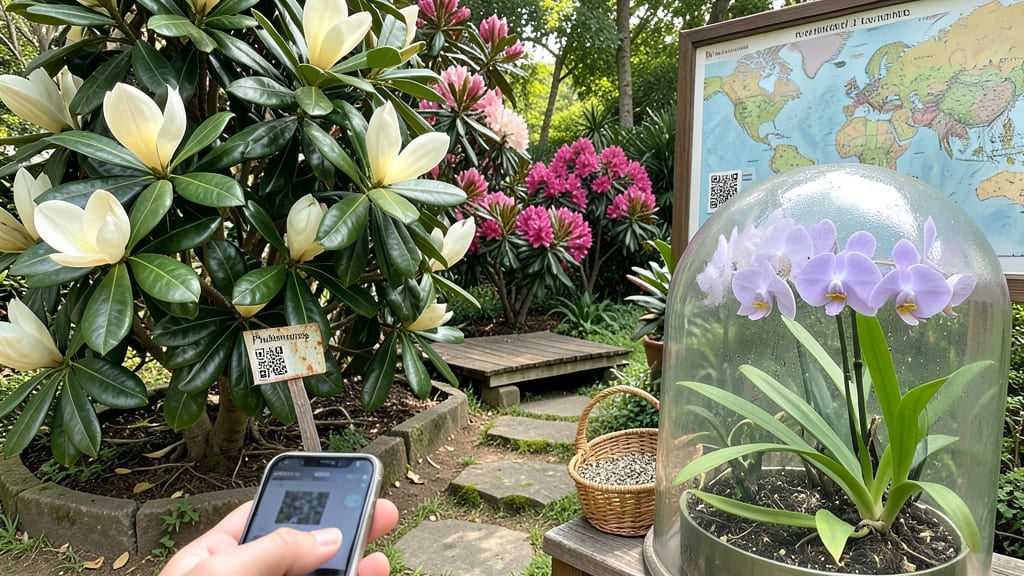
Botanical gardens reciprocity programs let members visit participating gardens nationwide for free by showing a valid membership card from their home institution. Most require advance registration or online booking through the host garden’s website.
These programs create a win-win for plant lovers: your home garden membership often unlocks free admission to dozens of partner locations across the country. 🌿 The magic happens through regional alliances where gardens share resources and admission privileges—think of it as a nationwide plant lover’s club.
For example, a membership at the Chicago Botanic Garden might grant you free entry to the New York Botanical Garden or Denver Botanic Park, depending on their partnership agreements.
Most programs verify memberships through digital scans or physical card checks, with some gardens even offering priority access to special collections or conservation tours. The key is planning ahead—some gardens require 24-48 hour notice for reciprocity visits, while others need online reservations through their visitor portals.
Always check the host garden’s website for specific requirements before your trip.
💡 In This Article
- How Botanical Gardens Reciprocity Programs Work
- Maximizing Your Reciprocity Membership Benefits
How botanical gardens reciprocity programs work
At the heart of these programs lies a network of formal agreements between gardens, often coordinated through regional alliances like the American Public Gardens Association (APGA). These partnerships allow members to access collections and exhibits at partner institutions without paying admission fees.
The verification process typically involves scanning a membership card or QR code at the guest services desk, which instantly confirms eligibility through a centralized database. 🌿 This system relies on standardized membership cards issued by participating gardens, ensuring consistency across locations.
Participating gardens span diverse climates and specialties—from the Missouri Botanical Garden’s renowned plant collections to the San Francisco Botanical Garden’s native California ecosystems. The science behind these partnerships is rooted in shared conservation goals: gardens collaborate on preserving rare species, exchanging seeds, and conducting research.
For example, a member visiting the New York Botanical Garden might access its 1 million+ specimen herbarium, while a trip to the Fairchild Tropical Botanic Garden in Miami unlocks access to its 4,500+ tropical plant species.
The logistics of reciprocity depend on the garden’s size and visitor capacity. Smaller gardens may require 24-hour advance notice for reciprocity visits, while larger institutions like the Chicago Botanic Garden often allow same-day registration through their online portals.
Some gardens even offer priority access to exclusive areas, such as greenhouses or conservation labs, for reciprocity members. This tiered system ensures fair distribution of resources while maximizing the benefits for participating members.
One fascinating aspect is how these programs adapt to seasonal demand. During peak visiting months (spring and summer), gardens may limit reciprocity visits to pre-booked slots to prevent overcrowding. Conversely, in off-seasons, members often enjoy flexible entry times with fewer restrictions.
The adaptability of these programs reflects their dual purpose: supporting both visitor access and the gardens’ operational sustainability.
Behind the scenes, reciprocity relies on a shared digital infrastructure where membership data is securely validated in real-time. This technology, often powered by platforms like GardenLogic, ensures seamless verification while protecting member privacy.
For instance, when you present your card at the Denver Botanic Park, the system cross-references your membership with the home garden’s records—all within seconds. This efficiency is what makes reciprocity feel effortless for travelers.
The conservation angle adds another layer: many gardens use reciprocity programs to promote plant exchange initiatives. Members might participate in seed swaps or propagation workshops at partner gardens, directly contributing to biodiversity efforts.
For example, a member of the Longwood Gardens in Pennsylvania could join a workshop at the United States Botanic Garden in Washington, D.C., focused on native plant restoration—all while enjoying free admission.
What most visitors don’t realize is how these programs also benefit the gardens themselves. By offering reciprocity, institutions attract members who might otherwise visit only once. This creates a feedback loop of engagement: happy visitors become repeat members, funding ongoing conservation projects.
It’s a model that turns plant lovers into active stewards of botanical diversity, one garden visit at a time. ✨