
Container Gardens
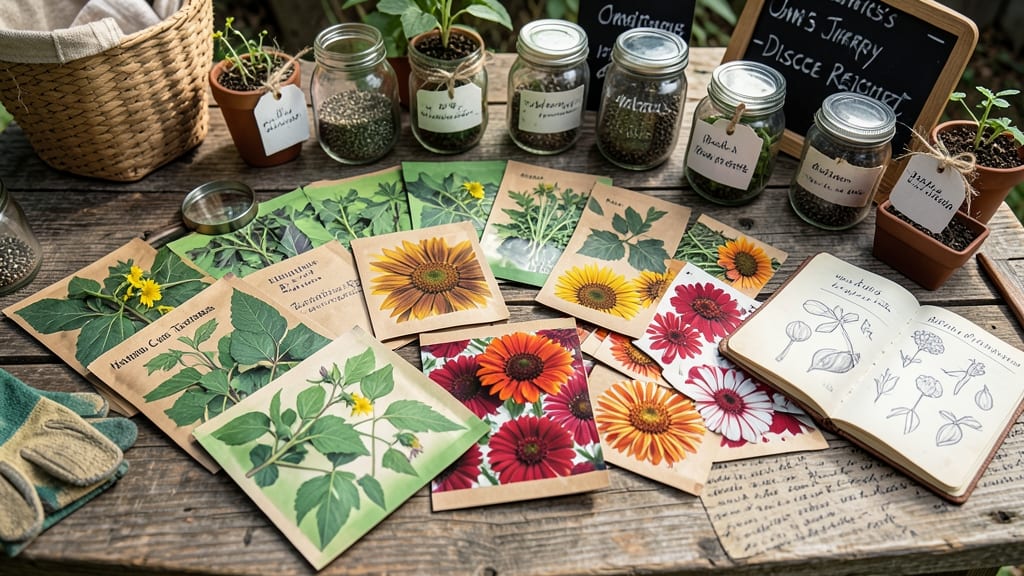
You can trade seeds in Grow a Garden through the Seed Vault and Trading Post, but only with approved crops and at levels that meet the game's requirements. Always verify your seed inventory and match the trade conditions before completing any exchange.
Trading seeds in Grow a Garden isn't just about swapping plant starters—it's a strategic way to unlock rare varieties and accelerate your garden's growth. 🌱 The game's system pairs you with other players based on your level, ensuring fair exchanges, while the Seed Vault organizes your collection for easy access.
I've found that focusing on high-value seeds like heirloom tomatoes or exotic flowers often leads to better trade outcomes, as they're in higher demand among fellow gardeners.
What many players overlook is the level requirement for certain trades. For example, you might need to reach level 10 before trading rare seeds, so planning your garden progression around these milestones can save time.
Always double-check the Trading Post's "Available" tab to see which seeds others are offering—this helps avoid wasted trips to the vault.
Pro tip: If you're new to the game, start by trading common seeds like sunflowers or marigolds to build your reputation and unlock more advanced options.
The game's algorithm often rewards players who contribute to the community by sharing seeds, so don't hesitate to offer what you can grow in abundance.
💡 In This Article
- How Seed Trading Works in Grow a Garden
- Best Seeds to Trade for Maximum Garden Growth
How seed trading works in Grow a garden
The seed trading system in Grow a Garden operates through two interconnected features: the Seed Vault and the Trading Post. The Seed Vault functions like a digital inventory, where you store harvested seeds before deciding whether to plant, save, or trade them.
When you open the Seed Vault, you'll see a clear categorization system that groups seeds by type—vegetables, flowers, herbs—along with their current quantity and status (e.g., "Ready to Trade" or "Locked for Level").
This organization is critical because only seeds marked as "Ready to Trade" can be exchanged, and their availability depends on your in-game level.
To initiate a trade, navigate to the Trading Post, where you'll find a dynamic marketplace populated by other players' offerings. The interface displays each seed with three key details: its name, quantity available, and required level to trade.
For example, a rare heirloom tomato seed might require level 15 to trade, while a common basil seed could be available at level 5. The system also highlights seeds that match your current level in green, making it easy to spot eligible trades.
What's fascinating is how the game balances supply and demand—popular seeds like lavender or chili peppers often appear in limited quantities, creating a sense of urgency for players who want to expand their collections.
Completing a trade involves a simple but precise process: select the seed you want to offer, choose the seed you'd like to receive, and confirm the exchange. The game then checks for compatibility—ensuring you're not receiving duplicates or seeds that exceed your inventory capacity.
One common pitfall is attempting to trade seeds that aren't yet "Ready to Trade," which results in a failed transaction and a prompt to wait until your garden matures more seeds. This mechanic encourages strategic planning, as rushing to trade can lead to wasted resources.
For instance, if you harvest a batch of sunflower seeds but haven't reached the required level, you'll need to either plant them or wait until you level up.
The Trading Post also introduces a social element by allowing you to view other players' profiles, which display their gardening achievements and frequently traded seeds. This transparency helps build trust in the community and lets you identify reliable traders.
For example, a player with a high reputation might consistently offer rare seeds, making them a go-to partner for expanding your collection. However, be cautious of players who frequently offer seeds marked as "Low Quality"—these are often duplicates or low-value items that can clutter your inventory.
Always verify the seed's description and any attached notes before confirming a trade, as some players include helpful tips like "Best grown in full sun" or "Harvest in 45 days."
Understanding the timing of seed trading is equally important. Seeds become available for trading immediately after harvest, but their value can fluctuate based on seasonal events or limited-time offers.
For example, during the game's "Autumn Festival," certain pumpkin or gourd seeds might be in high demand, making them prime candidates for trading. Pay attention to the Trading Post's "Trending" tab, which highlights seeds that are currently popular among players.
This feature is particularly useful for new gardeners who want to prioritize seeds that will help them progress quickly, such as high-yield vegetables or flowers that attract beneficial insects.
One advanced strategy involves trading seeds to unlock new garden plots or special features. Some seeds, like the "Golden Bean," are required to upgrade your garden's layout or access exclusive areas. These seeds often have higher level requirements and may only appear in trades during specific in-game seasons.
To maximize your chances of acquiring them, focus on trading seeds that are known to be in demand, such as rare herbs or exotic flowers.
For instance, trading a batch of lavender seeds for a "Moonflower" seed could unlock a new plot dedicated to nocturnal blooms, adding a unique layer to your garden.
Finally, always keep an eye on your inventory limits, as the game caps the number of seeds you can store at once. This limitation forces you to make deliberate choices about which seeds to keep, trade, or plant.
For example, if your inventory is full of common seeds like lettuce or radishes, trading them for a single rare seed—like a "Black Diamond" watermelon—can free up space while significantly boosting your garden's diversity.
The key is to strike a balance between trading for progression and maintaining a functional inventory that supports your current gardening goals.