
How To
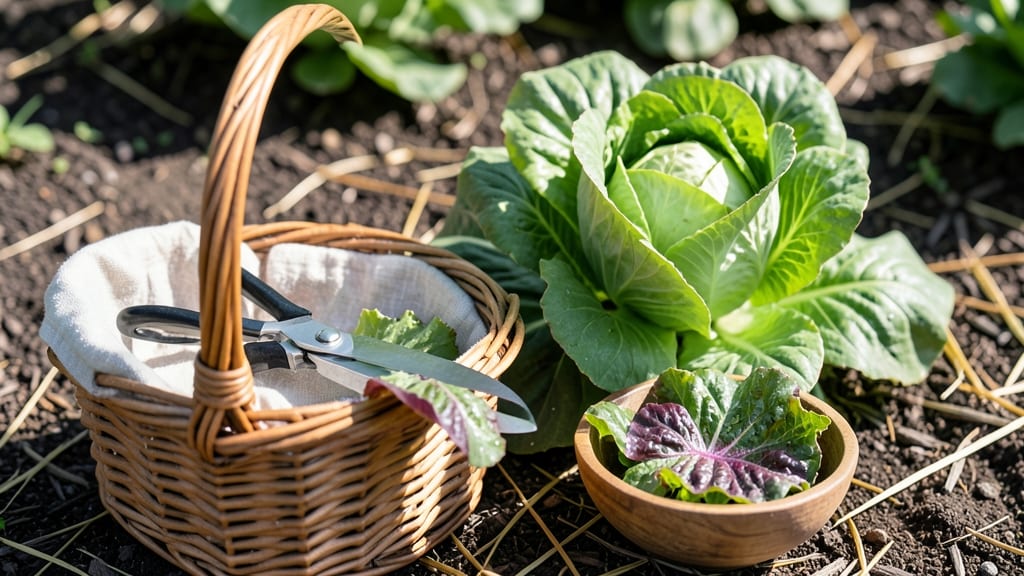
To harvest lettuce from your garden at the perfect moment, watch for leaves that are 4–6 inches long and crisp but tender—any later, and you risk bitter, woody textures or bolting.
Fresh, crisp 🥬 lettuce straight from your garden is a gardener’s pride—but knowing when to harvest is the secret to avoiding bitter leaves and wilted disappointment.
Most gardeners make one of two mistakes: picking too early (leaving small, pale leaves) or waiting too long (ending up with tough stems). The key is timing—harvest outer leaves first to encourage regrowth, or cut the whole head when fully mature.
In this guide, I’ll walk you through three clear signs your lettuce is ready, the best cutting techniques, and how to store your harvest so it stays fresh longer.


3 Clear signs your lettuce is ready for harvest (before it bolts)
Nothing beats the satisfaction of harvesting crisp, homegrown lettuce—but timing is everything. If you pick too early, you'll miss out on flavor and yield. Wait too long, and your lettuce will bolt (send up flower stalks), turning bitter and tough.
The key is recognizing these 3 clear signs of peak ripeness before it's too late.
First, pay attention to leaf size. Mature lettuce leaves should measure between 4 to 6 inches in length. Smaller leaves mean the plant isn't ready, while larger ones may indicate it's past its prime.
For varieties like romaine or butterhead, aim for a full, rounded head with leaves that fill out the plant's base.
Next, check the texture of the leaves. Ready-to-harvest lettuce should feel firm yet tender, almost crisp to the touch. If the leaves are still soft and floppy, they need more time.
On the flip side, if they feel woody or fibrous, you've waited too long. This texture shift is your biggest warning that bolting is near.
Finally, observe the color intensity. Vibrant, consistent hues—whether deep green, red, or purple—signal readiness. Dull or pale leaves mean the plant isn't mature enough, while yellowing or browning edges are signs of stress or overripeness. For varieties like leaf lettuce, individual leaves should be fully colored before harvesting.
The best time to harvest is in the morning after watering, when leaves are at their crispest. This timing also helps prevent stress on the plant. Now, let's compare what ready-to-harvest lettuce looks like versus lettuce that's past its prime.
For leaf lettuce varieties, you can harvest individual outer leaves as soon as they reach 3-4 inches, leaving the inner leaves to grow. This method, called cut-and-come-again, extends your harvest season.
However, for head lettuce like romaine or iceberg, wait until the entire head is fully formed before harvesting.
One common mistake is harvesting based on days after planting alone. While most lettuce varieties take 30 to 60 days to mature, environmental factors like temperature and sunlight can delay or speed up growth. Always prioritize visual cues over calendar dates to ensure the best flavor and texture.
If your lettuce starts to bolt, it’s already too late for a quality harvest. The plant will send up a tall flower stalk, and leaves will turn bitter.
To prevent this, provide consistent moisture, use shade cloth in hot weather, and choose bolt-resistant varieties like 'Black Seeded Simpson' or 'Salad Bowl.'
Pro tip: Store freshly harvested lettuce in the crispest drawer of your fridge, wrapped in a damp paper towel. This keeps it fresh for up to 1 week while maintaining that garden-fresh taste. With these signs in mind, you’ll never miss the perfect harvest window again!
Step-by-Step lettuce harvesting techniques for maximum yield
Harvesting lettuce at the right time ensures crisp, flavorful leaves without bitterness or bolting. The key is patience—lettuce grows fastest when kept cool, so rush the harvest, and you risk tough, woody stems.
I’ve found that cut-and-come-again methods work best for leaf varieties like romaine or butterhead, while head lettuces (like iceberg) should be harvested whole. Using the right tools and timing makes all the difference in extending your harvest season.
Before diving in, grab your sharp pruning shears or a clean knife—dull tools crush leaves, causing bruising and spoilage. For leaf lettuce, I recommend harvesting in the morning after dew dries when leaves are firm and hydrated.
This timing also reduces stress on the plant, helping it recover faster for regrowth. Never pull leaves; always cut to avoid damaging the root system.
How to Harvest Lettuce from Garden
- 🌱 Step 1: Choose Mature Leaves
Select outer leaves that are 4–6 inches long and fully colored. Avoid harvesting the innermost leaves to preserve the plant’s growth center. - ✂️ Step 2: Use Clean Tools
Disinfect your pruning shears or knife with rubbing alcohol to prevent disease. Cut leaves 1 inch above the base at a 45-degree angle for cleaner wounds. - 💧 Step 3: Harvest for Regrowth
For cut-and-come-again lettuce, leave the inner rosette intact and harvest 1/3 of the plant at a time. This encourages new leaf growth for weeks. - 🌿 Step 4: Handle Head Lettuce Differently
For varieties like iceberg or romaine, cut the entire head at the base with a serrated knife. Twisting can damage the root, reducing future harvests. - 🧊 Step 5: Store Properly
Rinse leaves in cool water and dry thoroughly. Store in a plastic bag with a paper towel in the fridge for 5–7 days. For longer storage, wrap in damp paper towels.
One common mistake I see is over-harvesting—especially with young plants. If you take too many leaves at once, the lettuce may bolt (go to seed) prematurely. Instead, focus on outer leaves first and let the inner leaves mature.
This method also reduces stress on the plant, helping it bounce back faster. For loose-leaf varieties, you can harvest continuously for 4–6 weeks with proper care.
After harvesting, give your lettuce a light fertilizer boost (like a 5-10-5 balanced mix) to encourage regrowth. Avoid heavy nitrogen after harvest, as it can lead to rapid but bitter leaf production.
I also recommend mulching around the base to retain moisture and keep roots cool. This simple step can extend your harvest by 2–3 weeks in optimal conditions.
For storage, never wash lettuce before refrigerating—excess moisture speeds up spoilage. Instead, rinse just before eating. If you’re harvesting in hot weather, prioritize morning harvests and provide light shade cloth to prevent bolting. With these techniques, you’ll enjoy crisp, homegrown lettuce for months, not just weeks.