
Fertilization
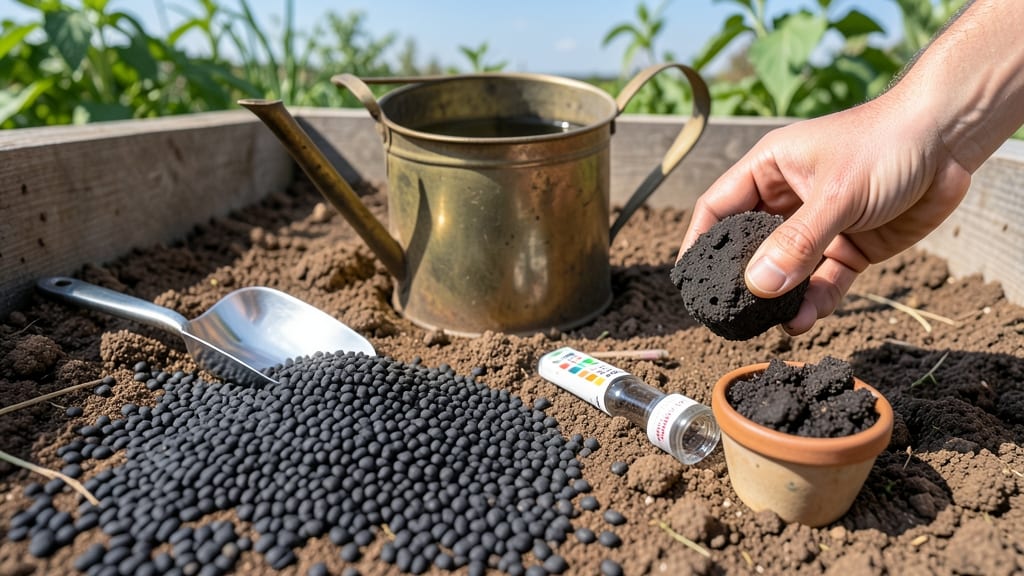
Charcoal in gardening transforms soil by enhancing aeration, reducing waterlogging, and stabilizing pH levels while locking in essential nutrients for plants. Its porous nature also purifies soil by binding toxins and eliminating foul odors from decomposing organic matter.
Charcoal isn't just for grilling—it's a gardener's secret weapon for healthier soil. 🌱 The magic happens because charcoal's porous structure acts like a sponge, trapping air and water while preventing compaction. This means roots get the oxygen they need, and excess moisture drains away, cutting down on root rot risks.
Plus, it creates a balanced environment where beneficial microbes thrive, breaking down organic matter more efficiently. I've seen firsthand how adding 2-3 cups of biochar per square yard can turn heavy clay soil into a looser, more fertile growing medium.
What makes charcoal especially useful is its ability to act as a natural filter. It binds to heavy metals and chemicals in the soil, effectively detoxifying it without harming plants. This is particularly helpful in urban gardens where pollution can accumulate.
For best results, I recommend mixing charcoal with compost before planting—this combo boosts nutrient retention while keeping the soil light and airy. Just remember, it's not a one-size-fits-all solution; acidic-loving plants like blueberries might not respond well to charcoal's pH-balancing effects.
💡 In This Article
- How Charcoal Enhances Soil Structure and Nutrient Retention
- Practical Ways to Use Charcoal for Soil and Plant Health
How charcoal enhances soil structure and nutrient retention
Charcoal works its magic through a combination of physics and chemistry. Its porous structure—often with surface areas exceeding 100 square meters per gram—creates tiny air pockets that improve soil aeration. This is especially critical in dense clay soils where roots suffocate from lack of oxygen.
The pores also act like a sponge, absorbing excess water during heavy rains while releasing it slowly to plants during dry spells. This dual action prevents both waterlogging and drought stress, creating an ideal moisture balance for root development.
The real science lies in charcoal's cation exchange capacity (CEC), which measures how well soil can hold and exchange nutrients. Charcoal's CEC can reach 100-300 meq/100g, comparable to high-quality compost. This means it can bind essential nutrients like nitrogen, phosphorus, and potassium while preventing them from leaching away.
Unlike synthetic fertilizers that release nutrients quickly, charcoal slowly releases them as microbes break down its carbon structure, providing a steady supply over months. The process also creates a more stable pH environment, typically keeping soil between 6.0-7.5, which is optimal for most garden plants.
What sets biochar apart from regular charcoal is its production method. Biochar is created through pyrolysis—heating organic matter (like wood chips or crop waste) in low-oxygen conditions at 350-700°C. This process preserves the carbon structure while eliminating harmful compounds, making it safer for plants.
The result is a material that not only improves soil structure but also sequesters carbon in the ground, helping combat climate change. In contrast, traditional charcoal made from high-heat burning can contain more ash and potentially harmful byproducts, though it still offers many benefits when properly prepared.
Charcoal's impact extends to the microscopic world of soil microbes. The porous surface provides shelter and food for beneficial bacteria and fungi, which in turn break down organic matter more efficiently. This microbial activity creates a rhizosphere—the zone around plant roots—where nutrient cycling happens at an accelerated rate.
You'll notice healthier root systems and faster plant growth when using charcoal, as the microbial population becomes more diverse and active. The texture also becomes finer over time, resembling well-aged compost rather than dense, compacted soil.
For visual proof, compare a soil sample with charcoal to one without. The charcoal-amended soil will appear darker, lighter in texture, and more crumbly when moistened. This indicates better aggregation of soil particles, which improves water infiltration and root penetration.
The difference becomes especially noticeable in heavy soils where compaction is a common problem. Even a 10-20% charcoal mixture by volume can transform the physical properties of garden beds, making them more workable and productive.
One common misconception is that charcoal will make soil too alkaline. While it does have a slight buffering effect, most garden soils won't experience drastic pH shifts unless they're already extremely acidic.
For plants that prefer acidic conditions (like azaleas or blueberries), it's wise to test soil pH before adding charcoal and monitor it afterward. In most cases, though, the benefits of improved structure and nutrient retention far outweigh any minor pH adjustments.