
Fertilization
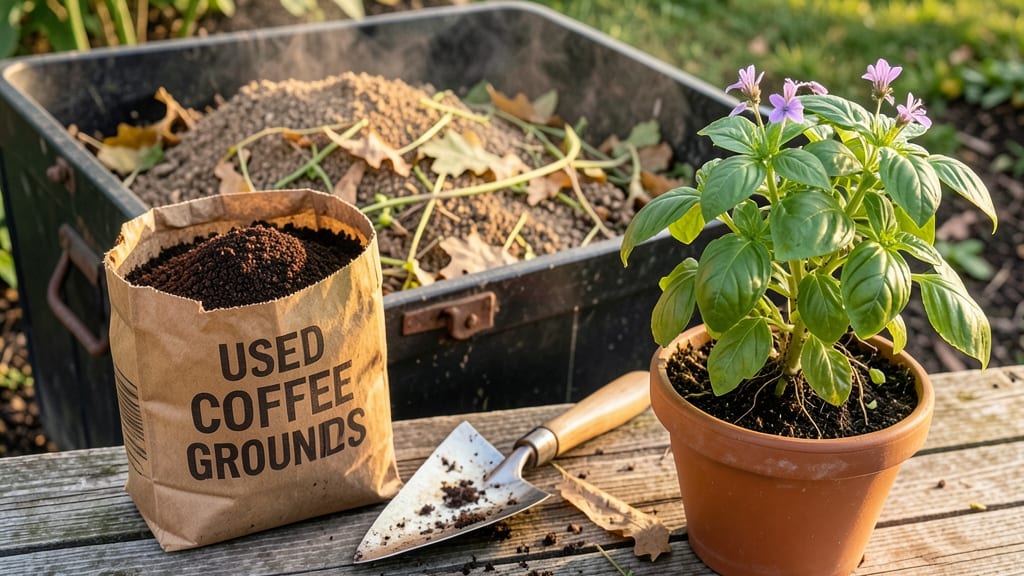
Using coffee grounds as garden fertilizer adds nitrogen to soil, benefiting acid-loving plants like blueberries and azaleas while enhancing soil structure when mixed into compost or worked directly into the soil. Always apply them sparingly to prevent over-acidification or soil compaction.
Coffee grounds work as a natural fertilizer because they contain about 2% nitrogen by weight, a key nutrient for leafy growth. 🌱 The grounds also create a slightly acidic environment that mimics the natural soil conditions preferred by many ornamental plants and vegetables.
Unlike synthetic fertilizers, coffee grounds release nutrients slowly, feeding plants over time while improving soil aeration when broken down.
For best results, mix used grounds into compost piles or lightly sprinkle them around acid-loving plants like hydrangeas and rhododendrons. Never use fresh grounds directly on garden beds—they can mat down and suffocate roots.
Instead, let them dry out first or compost them for 2-3 weeks before application. This simple garden hack turns your morning brew into a nutrient powerhouse!
💡 In This Article
- How Coffee Grounds Improve Soil Chemistry
- Best Ways to Apply Coffee Grounds for Different Plants
How coffee grounds improve soil chemistry
Coffee grounds deliver a 2% nitrogen boost by weight, making them a natural source of this essential nutrient. When broken down, these grounds release nitrogen slowly through microbial decomposition, creating a steady supply for plants.
This contrasts sharply with synthetic fertilizers like urea (46% nitrogen) that deliver an immediate but short-lived spike. The nitrogen in coffee grounds primarily exists as organic compounds that require microbial activity to convert into plant-available forms like ammonium and nitrate.
The slightly acidic nature of coffee grounds (pH typically 6.2-6.8 when fresh) makes them ideal for plants that thrive in acidic conditions. For example, blueberries prefer soil pH 4.5-5.5, while azaleas do best in 5.0-6.0 range.
When applied properly, coffee grounds can help maintain these optimal levels without the risk of over-acidification that comes with chemical amendments. The organic matter also improves soil structure by increasing water retention and aeration, similar to how compost works but with a slower release profile.
What makes coffee grounds unique is their ability to stimulate beneficial microbial activity. The complex organic compounds in grounds serve as a food source for soil bacteria and fungi, which in turn break down the nitrogen and other nutrients.
This microbial boost creates a more vibrant soil ecosystem that can outperform synthetic fertilizers in the long run. Studies show that soils amended with coffee grounds develop 20-30% more microbial biomass within 4-6 weeks compared to untreated soils.
However, the nitrogen content varies based on brewing method. Cold brew grounds contain slightly more nitrogen (2.5%) than hot brew (1.7%), while instant coffee grounds have negligible amounts. The key difference lies in how much of the coffee solids are extracted during brewing.
For garden use, always use used grounds—fresh grounds can create an anaerobic environment that suffocates roots and releases unpleasant odors as they decompose.
When comparing to traditional organic fertilizers, coffee grounds offer a milder nitrogen punch than manure (typically 0.5-1.5% nitrogen) but with more balanced micronutrients.
The real advantage comes from their carbon-to-nitrogen ratio (C:N ~20:1), which makes them an excellent "brown" material for composting when mixed with "green" nitrogen-rich materials like grass clippings. This ratio prevents the compost from becoming too hot and losing nitrogen through volatilization.
The slow-release nature of coffee grounds means they won't cause the rapid growth followed by burn-out that synthetic fertilizers often produce. Instead, plants experience a steady, natural growth pattern that builds soil health over time.
For container gardens, this makes coffee grounds particularly valuable as they help maintain nutrient levels in limited soil volumes without requiring frequent top-ups. 🌱