
Vegetables
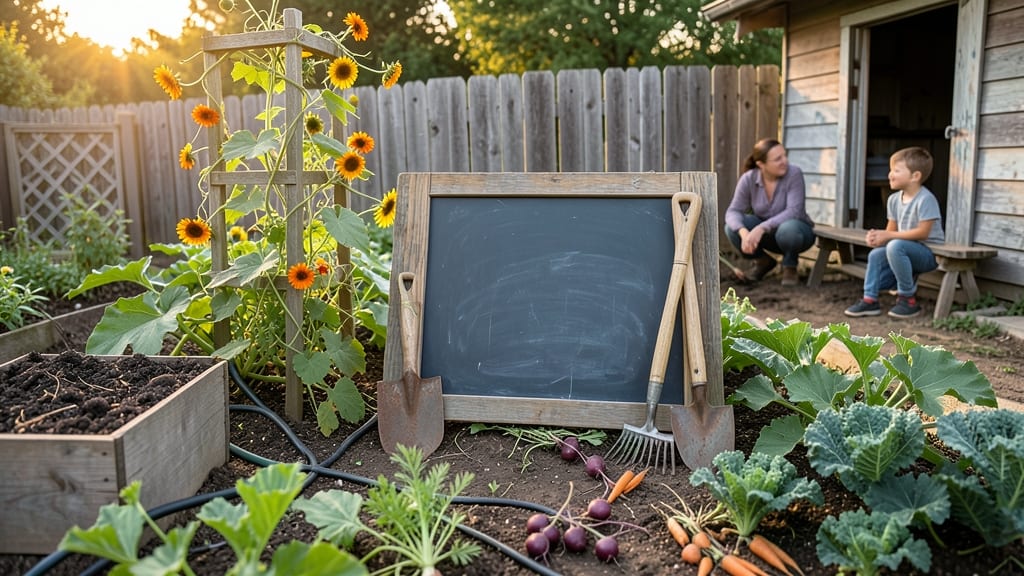
Starting a community garden in Salt Lake City involves partnering with local organizations to secure land, obtaining necessary permits from Salt Lake City’s Parks and Recreation, and rallying volunteers. Local programs like the Salt Lake County Extension Office and Salt Lake City’s Urban Agriculture Initiative offer essential tools, grants, and hands-on guidance for new gardeners.
Salt Lake City’s unique climate and urban landscape make community gardening both rewarding and challenging.
The city’s Urban Agriculture Program actively supports new initiatives by providing soil testing and irrigation planning, while partnerships with schools or nonprofits can simplify land acquisition. 🌱 What sets Salt Lake apart is its focus on year-round gardening—many community plots thrive even in winter with cold-hardy crops like kale and carrots, thanks to the city’s high elevation and dry climate.
Beyond permits, the Utah Community Garden Network connects gardeners with shared resources, from seed libraries to composting programs. I’ve seen firsthand how these local networks reduce startup costs by up to 40% through tool-sharing and bulk purchasing.
For those new to gardening, the Salt Lake County Extension Office offers free workshops on everything from pest control to soil health—knowledge that directly improves harvest yields.
💡 In This Article
- Salt Lake City’s Community Garden Permits and Zoning Rules
- Top Salt Lake City Resources for Community Garden Funding and Support
Salt Lake city’s community garden permits and zoning rules
Salt Lake City’s Urban Agriculture Program requires all community gardens to register through the Parks and Recreation Department, regardless of land ownership. The process begins with a Community Garden Permit Application, which costs $50 and includes a site inspection to verify compliance with zoning laws.
Public land—like vacant lots managed by the city—has stricter rules, including mandatory soil testing for lead and contaminants (required before planting), while private land may only need a simple land-use agreement with neighbors.
The city’s zoning ordinance (Section 17.12.150) divides gardens into three categories: residential, commercial, and nonprofit. Residential gardens are limited to 500 square feet per household, while nonprofit plots can expand to 1 acre with additional permits.
Water rights are another critical factor—many older neighborhoods have restricted irrigation hours (6 AM–8 AM or 6 PM–10 PM) to conserve resources, especially during Utah’s dry summers when evaporation rates can exceed 0.25 inches per day.
Seasonal restrictions also play a role. The Salt Lake County Extension Office recommends avoiding planting cool-season crops (like lettuce or peas) after May 15 due to heat stress, while winter gardening (October–March) requires cold-hardy varieties like Swedish turnips or hardy kale.
Permits for winter gardens often include additional inspections to ensure proper mulching and frost protection—a must in Salt Lake’s USDA Zone 6b climate, where temperatures can drop below 10°F.
One common misstep is assuming private land exempts gardeners from city rules. Even if you lease land from a church or school, you’ll still need to register with the Urban Agriculture Program to access shared resources like compost or pest control workshops.
The program’s online portal guides applicants through required forms, including a site plan with irrigation details—a step that can save hours of back-and-forth with city inspectors.
For those eyeing public land, the Salt Lake City Open Space Division maintains a list of pre-approved garden sites, often near parks or transit hubs. These plots already have installed water access and may include raised beds, cutting startup costs by 30–50%.
However, public plots typically require a 1-year commitment and a $25 annual fee to reserve space, so planning ahead is key.
What most beginners overlook is the inspection timeline. From application to approval, the process can take 4–6 weeks, especially during peak seasons (spring and fall). Pro tip: Schedule your soil test in late winter to avoid delays—lead testing alone can take 10–14 days for lab results. 🌱