
How To
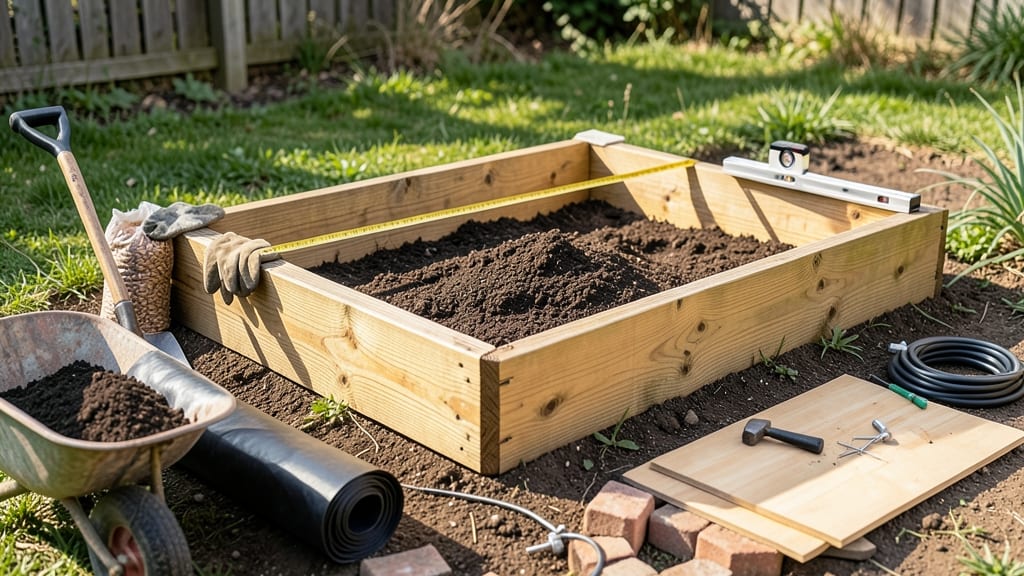
The cost to build a raised garden bed typically ranges from $100 to $1,500+, with most DIY projects for a standard 4’x8’ cedar bed falling between $200–$600. Professional installation can push costs to $1,000–$3,000+, while materials like pressure-treated wood or composite lumber may increase expenses further.
The total cost depends heavily on your bed's dimensions, material choices, and whether you hire help.
A 4’x8’ cedar bed is the most budget-friendly option at $200–$600, while larger or custom designs can quickly exceed $1,000. 💫 For example, switching to composite lumber (which resists rot) adds $100–$300, and adding a landscape fabric liner or premium soil blend increases costs by another $50–$200.
Many gardeners save significantly by repurposing materials like pallet wood or cinder blocks.
Labor costs vary widely by region—some contractors charge $50–$100/hour, while others offer flat rates for assembly. Permits may be required in some areas, adding $50–$150 to the total.
If you're handy, a DIY project can cut costs by 50% or more, though it’ll take 4–8 hours of your time depending on complexity.
💡 In This Article
- Material Cost Breakdown for Raised Garden Beds
- DIY vs Professional Installation Costs: What to Expect
Material cost breakdown for raised garden beds
The foundation of your raised bed's cost starts with the wood, where material choice dramatically impacts both price and durability. Cedar planks are the gold standard for DIYers, costing $3–$6 per linear foot due to their natural rot resistance and pleasant aroma.
A 4’x8’ bed built with 2x6 cedar boards (2–3 layers high) will require about 40–60 linear feet, totaling $120–$360 just for lumber. Pressure-treated pine, a budget alternative at $1.50–$3 per foot, can cut costs by 50% but requires sealing to prevent chemical leaching into soil.
Hardware like galvanized screws (2.5" deck screws) and corner brackets add $20–$50 to the total, while landscape fabric liners (to prevent weed growth) run $10–$30 depending on thickness. Rubber underlayment, which blocks weeds and improves drainage, costs $50–$150 for a 4’x8’ bed.
Soil is often the most overlooked expense—1 cubic yard of topsoil fills a 4’x8’ bed 12" deep and costs $30–$60, while premium compost blends can double that price. 🌱 For example, a 4’x8’ cedar bed with liner and soil jumps from $200 to $500+ when factoring in these extras.
Size scales costs exponentially. An 8’x8’ cedar bed requires 100–150 linear feet of lumber, pushing material costs to $300–$900 before soil or liners. Custom shapes or tiered designs add 20–50% more in labor and materials.
Composite lumber, though pricier upfront ($6–$10 per foot), lasts 20+ years without maintenance, saving long-term costs. The trade-off? A 4’x8’ composite bed can cost $600–$1,200—nearly double cedar—while offering zero upkeep.
Hidden material costs often catch gardeners off guard. For instance, gravel or pavers for base support add $50–$200, and drainage pipes (if needed) run $20–$50. Upcycling materials like reclaimed wood or cinder blocks can slash costs by 30–70%, but requires more effort.
A 4’x8’ bed using pallet wood and landscape fabric might cost just $80–$150, though durability suffers over time. The key is balancing initial savings with long-term performance—cedar lasts 10–15 years, while pressure-treated pine may need replacement in 5–7 years.
Soil quality directly impacts plant health and yield. A 50/50 mix of topsoil and compost improves drainage and fertility, costing $1–$2 per bag (or $50–$100 per cubic yard). Organic matter breaks down over time, so budget $20–$50 annually for replenishment.
For example, a 4’x8’ bed filled with 12" of premium soil blend costs $100–$200 upfront, but reduces the need for fertilizers later. The sensory payoff? Rich, crumbly soil with earthy aromas that encourage microbial activity—visible in the darker, healthier roots of your plants.
Regional pricing adds another layer. In urban areas, cedar planks may cost 30–50% more than rural zones due to transportation and demand. Local lumber yards often offer 10–20% discounts on bulk purchases, while online retailers like Home Depot or Lowe’s provide free delivery on orders over $500.
Always ask about off-cut sales—many stores sell leftover boards at 50% off for DIY projects. For instance, a 4’x8’ bed built from off-cut cedar and leftover screws could drop costs by $100–$200.