
Vegetables
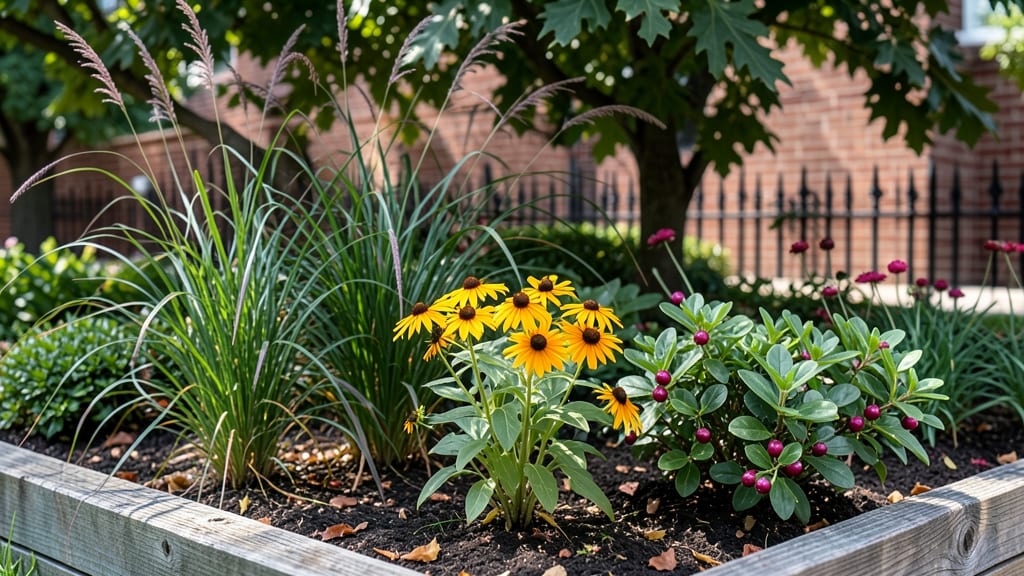
Washington DC's garden zone is USDA Hardiness Zones 7b and 8a, meaning most plants thrive in winter temperatures between 10°F and 20°F. This classification guides frost dates, plant selection, and optimal planting times for DC's unique climate.
Understanding DC's garden zone is crucial because it directly impacts what you can grow—and when.
The 10°F to 20°F winter range means tender plants like tomatoes and peppers need to be started indoors or planted after the last frost (typically around mid-April), while hardy perennials like lavender and Russian sage can survive year-round. 🌱 Urban heat islands in areas like Capitol Hill can push microclimates into Zone 8b, allowing slightly warmer-season crops to thrive there.
For example, sweet potatoes often succeed where they might fail in cooler suburban areas.
This zone system also explains why fall planting works so well in DC—cool-season crops like kale and spinach actually prefer the milder temperatures of September and October. The first frost usually arrives in mid-November, giving gardeners a longer harvest window than in colder regions.
Local nurseries often recommend adjusting planting dates by 2-3 weeks based on your specific neighborhood's microclimate patterns.
💡 In This Article
- How USDA Zones 7b and 8a Define DC’s Planting Seasons
- Best Plants for DC’s Garden Zones: A Seasonal Guide
How USDA zones 7b and 8a define DC’s planting seasons
DC's placement in USDA Zones 7b and 8a creates a 150-day growing season from roughly mid-April to late September, with frost-free periods extending into October in warmer microclimates.
The key difference between these zones is the 10°F temperature threshold—Zone 7b can handle 0°F to 10°F winters, while Zone 8a's 10°F to 20°F range explains why DC can grow subtropical plants like banana trees in protected areas.
This 10°F difference also determines which perennials survive winter: Zone 7b supports hardy shrubs like potentilla (USDA Zone 3-7), while Zone 8a allows olive trees (Zone 8-11) to thrive near the Potomac River.
The urban heat island effect raises temperatures in dense areas like Capitol Hill by 2-5°F compared to suburban neighborhoods, effectively creating Zone 8b pockets where you can grow sweet potatoes and eggplants successfully.
Meanwhile, river-adjacent areas like Georgetown experience milder winters due to the Potomac's thermal mass, delaying first frost by 1-2 weeks compared to inland sections.
These microclimates mean gardeners in Zone 7b areas should plant frost-sensitive crops like tomatoes after May 15, while Zone 8a gardeners can start them as early as April 20—a 3-week difference that significantly impacts yield.
Understanding these zones also explains DC's extended fall harvest window. The first frost typically arrives between November 15-25, but Zone 8a areas often see 2-3 weeks later due to urban warmth.
This is why cool-season crops like kale and broccoli planted in late August can produce until December in protected microclimates. The 10°F winter threshold also dictates which perennials return yearly: Russian sage (Zone 5-9) thrives in both zones, while bougainvillea (Zone 9-11) requires winter protection in Zone 7b areas.
Local nurseries like Green Spring Gardens recommend adjusting planting dates by 2-3 weeks based on your specific zone and microclimate. For example, Zone 7b gardeners should wait until May 1 for peppers, while Zone 8a gardeners can plant them by April 15.
The 10°F winter range also explains why spring-blooming bulbs like daffodils (Zone 3-8) naturalize better than tulips (Zone 3-7), which may struggle in Zone 8a's warmer winters.
This zone system even affects soil preparation: Zone 7b areas need earlier soil warming, while Zone 8a gardeners can start planting 2 weeks sooner.
What most DC gardeners don't realize is how elevation changes within the city create additional microclimates. Areas like Clearly Heights (elevation 200+ feet) experience cooler nights than Eastern Market (near river level), affecting fruit ripening times.
The 10°F winter threshold also explains why citrus trees (Zone 9-11) need container culture in DC—they can't survive Zone 7b's occasional 0°F dips. This is why lemon trees thrive in Zone 8a patios but require winter blankets in Zone 7b yards.
For practical application, use the USDA Plant Hardiness Zone Map alongside DC's average last frost date (April 15) and first frost date (November 15) as your baseline. Adjust for your specific zone and microclimate by observing local neighborhood nurseries' recommendations—they've already accounted for these factors in their plant selections.
The 10°F winter range isn't just a number; it's the reason Zone 8a gardeners can grow fig trees while Zone 7b gardeners must choose hardier varieties like Chicago Hardy figs.