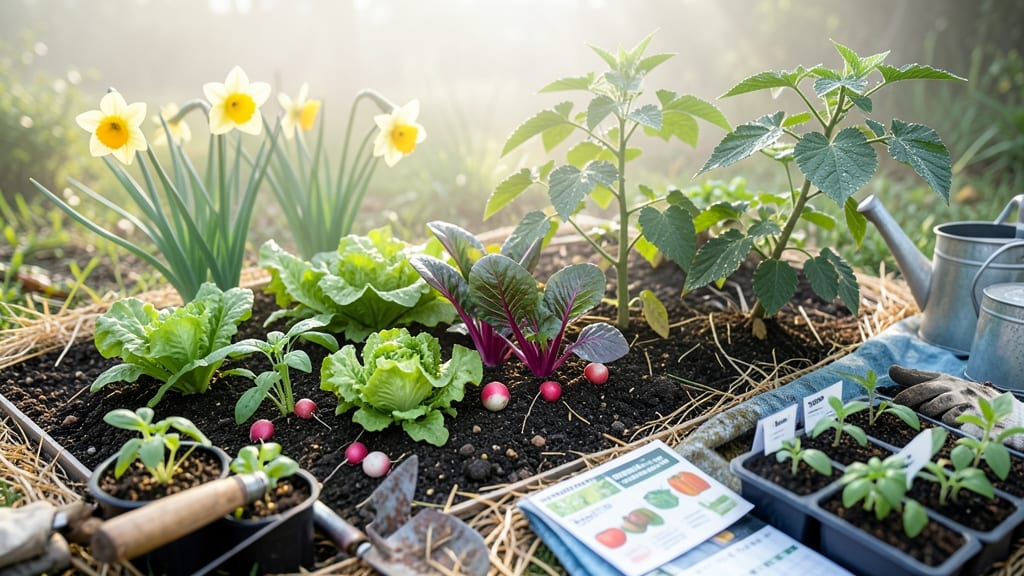
To plant a garden in Pennsylvania, aim for after your last frost date—typically mid-April to early May in most of the state, but earlier in southern zones like Philadelphia.
Pennsylvania’s unpredictable spring weather can turn a gardener’s excitement into frustration—planting too early risks frost damage, while waiting too long shortens your growing season. Knowing the exact zero-frost deadlines for your USDA Zone (6a or 7a) ensures your tomatoes, peppers, and other heat-loving crops thrive without guesswork.
Whether you’re sowing seeds or transplanting seedlings, timing matters. In cooler northern areas like Pittsburgh, you might need to wait until late May, while warmer zones near the border can start as early as late April.
The key is balancing soil warmth with frost risk—too cold, and your plants won’t germinate; too late, and you’ll miss peak harvests.
Below, I’ll break down the best planting windows for your region, plus tips for extending your season with row covers and succession planting. No more guessing—just a foolproof schedule for a bountiful Pennsylvania garden.
🌱
When to Plant Garden
Jan
❄️
Feb
❄️
Mar
🌱
Apr
🌱
May
🌱
Jun
🌱
Jul
☀️
Aug
☀️
Sep
🍂
Oct
🍂
Nov
🍂
Dec
❄️
Pennsylvania’s last frost dates by region: USDA zones 6a vs 7a
Pennsylvania spans two critical USDA hardiness zones: 6a (colder) and 7a (warmer). These zones determine your last frost date, which separates success from failure for frost-sensitive crops like tomatoes and peppers.
In Zone 6a, the average last frost ranges from May 1-15, while Zone 7a gardeners typically see frost-free conditions by April 15-May 1. Understanding these dates helps you time seed starting and transplanting perfectly.
Your true planting window begins 2-3 weeks after your average last frost date. This buffer accounts for late frosts and gives young plants time to establish roots before summer heat arrives.
For example, if your last frost is May 10, you’ll want to plant heat-loving crops by May 25 to avoid stunted growth. Historical data from cities like Pittsburgh (Zone 6a), Philadelphia (Zone 7a), and Harrisburg (Zone 7a) reveals these patterns clearly.
Why these dates matter: A single late frost can wipe out young seedlings overnight. According to Penn State Extension, Zone 6a has a 30% chance of frost after May 15, while Zone 7a drops to 10% risk after May 1. Using these probabilities, you can adjust your planting timeline to protect your investment while maximizing your harvest.
Microclimates complicate things. Even within a zone, valleys and urban areas can experience frost 1-2 weeks later than surrounding regions. For instance, Pittsburgh’s city center (Zone 7a) often warms up faster than its suburbs due to the urban heat island effect. Meanwhile, rural areas in Zone 6a may see frost lingering until May 20. Always check local records or use a frost-free calculator for precise timing.
Here’s how to use these dates practically: Cool-season crops like lettuce and peas can be planted 4-6 weeks before your last frost, while warm-season crops need to wait until after.
For example, if your last frost is April 25, plant spinach on March 25 but wait until May 15 for tomatoes. This strategy ensures you’re not racing against time.
| Region/City |
USDA Zone |
Avg. Last Frost |
Safe Planting Window |
Frost Risk After |
| Pittsburgh (City) |
7a |
April 15-May 1 |
May 15-June 1 |
10% after May 1 |
| Pittsburgh (Suburbs) |
6a |
May 1-15 |
May 25-June 10 |
30% after May 15 |
| Philadelphia |
7a |
April 20-April 30 |
May 10-May 25 |
5% after May 1 |
| Harrisburg |
7a |
April 25-May 5 |
May 15-May 30 |
15% after May 10 |
| State College |
6a |
May 5-15 |
May 30-June 5 |
25% after May 20 |
Best crops to plant after last frost in Pennsylvania (with exact timing)
Once Pennsylvania’s last frost date passes—typically between April 15 and May 15 depending on your USDA Zone—it’s time to plant your heat-loving crops. The key is timing: some vegetables like tomatoes and peppers need warm soil to thrive, while others like cucumbers and beans can handle cooler temperatures.
Transplanting seedlings too early risks stunted growth, but waiting too long shortens your harvest window.
For USDA Zone 6a (cooler areas like Pittsburgh), aim to plant tomato seedlings 2-3 weeks after your last frost date, while Zone 7a (warmer areas like Philadelphia) can start slightly earlier. Soil temperature is your best guide—wait until it reaches 60°F (15°C) for tomatoes and 70°F (21°C) for peppers.
Microclimates near buildings or south-facing slopes can also push your planting window by 1-2 weeks.
-
1
Tomatoes: Transplant seedlings 2-3 weeks after last frost (soil 60°F+). Sow seeds indoors 6-8 weeks before last frost.
-
2
Peppers: Wait until soil is 70°F+ (usually May 15-June 1). Start seeds indoors 8-10 weeks early for Zone 6a.
-
3
Cucumbers & Squash: Direct-sow seeds 1-2 weeks after last frost (soil 55°F+). Use black plastic mulch to warm soil faster.
-
4
Beans & Peas: Sow seeds 2 weeks after last frost (tolerate 50°F+ soil). Ideal for succession planting every 2 weeks.
-
5
Adjust for Microclimates: South-facing beds can plant 1-2 weeks earlier. Low-lying areas may need row covers for late frosts.
If you’re starting from seeds, tomatoes and peppers need the longest head start—begin them indoors 6-10 weeks before your last frost date. For example, in Zone 6a, that means sowing seeds by mid-March, while Zone 7a gardeners can wait until late March.
Use grow lights if your seedlings aren’t getting enough natural light, as weak stems struggle to support heavy fruit later.
For direct-sown crops like cucumbers and beans, wait until the soil is at least 55°F (13°C)—you’ll know it’s ready when a handful of dirt crumbles easily in your hand. In cooler microclimates, use black plastic mulch or straw bales to warm the soil faster.
If nighttime temperatures still dip below 50°F (10°C), opt for frost-tolerant varieties like ‘Early Girl’ tomatoes or ‘Contender’ beans.
Pro tip: Check the Penn State Extension frost date calculator for your specific county, as local variations can shift planting windows by 10 days or more. For example, Erie (Zone 6a) often has later frosts than Lancaster (Zone 7a).
Always have row covers on hand for unexpected late frosts, especially if you’re pushing your luck with early plantings.
Don’t forget to harden off seedlings for 7-10 days before transplanting—gradually expose them to outdoor conditions to avoid shock. And if your summer is as hot as Philadelphia’s, prioritize shade cloth for heat-sensitive crops like lettuce and spinach to prevent bolting.
★★★★★4.6(14 reviews)