
Companion Plants
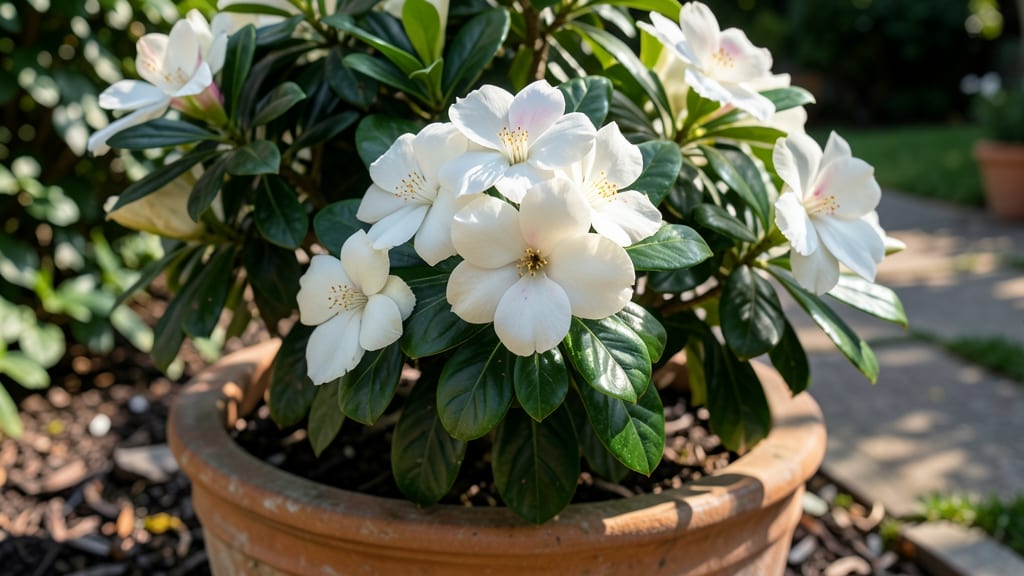
Gardenias smell exceptionally good to most people, emitting a rich, creamy floral fragrance with hints of jasmine and vanilla that lingers pleasantly in warm air. However, their intensity can overwhelm some or trigger allergies, making personal preference key to whether they smell good or not.
Gardenias are often called the "queens of flowers" for their intoxicating aroma, which packs a complex blend of floral and creamy notes. 🌸 The scent comes from natural compounds like linalool and benzyl acetate, released more strongly in warm temperatures—think of a tropical evening breeze.
But here's the catch: some people find the fragrance too sweet or even irritating, especially if they have pollen allergies or prefer lighter floral scents. The intensity varies by variety too, with 'Kleim’s Hardy' offering a milder touch compared to the bold 'Radicans.'
If you love gardenias but want to enjoy their scent without overwhelming your space, consider planting them near seating areas or using potted varieties on patios. For those sensitive to strong fragrances, opt for lightly scented hybrids or position them farther from high-traffic zones.
The key is balancing their natural beauty with your personal comfort—because what smells heavenly to one person might feel like too much to another.
💡 In This Article
- Gardenia Flower Fragrance: Chemical Composition and Sensory Experience
- Why Some People Hate Gardenia Scent: Allergies, Overpowering Aroma, and Cultural Context
Gardenia flower fragrance: chemical composition and sensory experience
Gardenias release their signature scent through volatile organic compounds (VOCs) like linalool (a floral aldehyde found in over 250 plant species) and benzyl acetate (which contributes their creamy undertones).
These compounds evaporate at room temperature, creating that signature tropical aroma—similar to how citrus oils disperse in air but with a sweeter, more complex profile. The scent intensity peaks at 75-85°F, which is why gardenias often smell strongest in late afternoon when temperatures rise.
The fragrance profile varies dramatically between varieties. For example, 'Radicans' emits a bold, almost syrupy floral note with vanilla-like depth, while 'Kleim’s Hardy' offers a lighter, more powdery scent reminiscent of gardenia-scented candles.
This difference comes from variations in their monoterpene content—chemicals that influence both aroma and how long the scent lingers. For comparison, jasmine contains higher levels of indole (a compound that gives it a slightly animalic edge), while gardenias maintain a consistently sweet profile without that earthy undertone.
What makes gardenia fragrance unique is its thermal sensitivity. The warmer the air, the more VOCs are released—this is why gardenias planted in containers near patios or windowsills often smell stronger than those in shaded garden beds.
The scent also interacts with humidity: in 60-70% relative humidity, the molecules disperse more slowly, creating that signature lingering quality. This is why gardenias are frequently used in perfumery and air fresheners—their scent doesn't just hit you immediately but builds gradually, like a slow-burning candle.
For those who love gardenias, the fragrance experience extends beyond smell. The blooms themselves have a velvety texture that releases more scent when gently brushed, and their white petals often develop a faint yellow cast as they age—this subtle color change coincides with peak fragrance intensity.
The combination of visual and olfactory cues makes gardenias a multisensory experience, which is why they're so popular in bridal bouquets and tropical-themed spaces.
However, the sweetness level can be polarizing. Some people describe gardenia scent as "too sweet" or even cloying, especially in enclosed spaces. This perception stems from their high sugar alcohol content (like furan linalool oxide), which creates that creamy, almost syrupy quality.
In contrast, tuberose has a more powdery, almost spicy floral note, while gardenias maintain their signature creamy consistency—this is why they're often blended with citrus or green notes in perfumes to balance their richness.
If you're curious about recreating gardenia scent at home, try mixing 2 drops of linalool with 1 drop of benzyl acetate in a diffuser—this ratio mimics their natural fragrance profile. The key is starting small, as these compounds are potent.
For gardeners, the best time to enjoy their natural aroma is late morning to early afternoon, when temperatures and humidity create the perfect conditions for VOC release.