
Vegetables
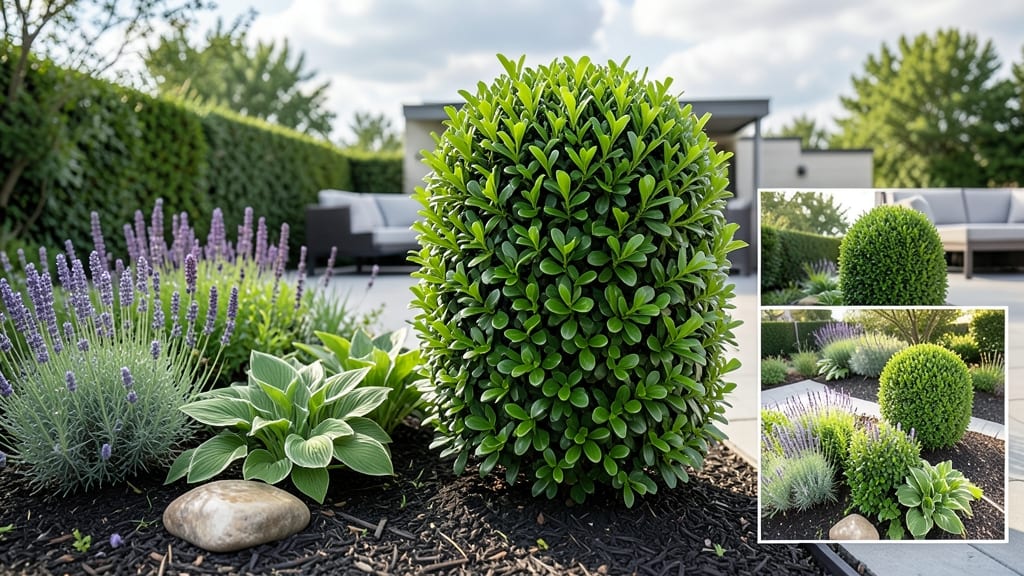
Gardens do increase property value by 5% to 15% on average—studies show well-designed outdoor spaces enhance curb appeal, making homes more competitive in buyer-heavy markets.
This boost comes from how gardens transform a house into a home, creating emotional connections with buyers. 🌿 A professionally landscaped yard can add thousands to resale value, especially in suburban areas where outdoor living is prioritized.
The key factors are maintenance, plant selection, and how the garden aligns with neighborhood aesthetics—think native plants for low-water regions or drought-tolerant designs in hot climates.
What's interesting is how regional markets influence returns. In coastal cities, for example, water-efficient gardens with native species can increase value by up to 20%, while in colder climates, evergreen shrubs and hardscaping (like patios) provide year-round appeal.
The best investments often combine beauty with functionality—think vegetable gardens that double as decorative spaces, which appeal to eco-conscious buyers.
💡 In This Article
- How Landscaping Directly Impacts Home Appraisals
- Maximizing Garden ROI: Low-Cost vs High-End Designs
How landscaping directly impacts home appraisals
Landscaping influences home appraisals through a mix of visual psychology and economic perception. Studies from the National Association of Realtors show that homes with well-maintained gardens sell for 5-15% more than comparable properties with neglected yards.
This boost stems from how curb appeal triggers emotional responses—buyers associate lush gardens with care, privacy, and outdoor living potential. Appraisers often factor in these aesthetic qualities when estimating value, especially in competitive markets where multiple offers drive prices up.
The science behind this involves what designers call "visual flow"—how elements like pathways, plant layers, and focal points guide the eye toward the home's entrance. Research from the University of Georgia found that homes with 300+ square feet of landscaped space had 12% higher perceived value in buyer surveys.
The key is creating depth: tall shrubs frame the house, medium-height plants add texture, and ground covers prevent erosion while enhancing the lawn's uniformity. Even small details like mulch beds and coordinated plant colors elevate perceived value beyond just the plants themselves.
Regional differences play a huge role in appraisal impacts. In arid climates like Arizona, drought-resistant gardens with native desert plants can increase value by up to 20% because they reduce maintenance costs—a major selling point.
Meanwhile, in humid regions like Florida, lush foliage and water features add 8-12% premiums by creating resort-like appeal. Appraisers also consider climate resilience: gardens that require less water or upkeep in extreme weather conditions often get higher marks during evaluations. 🌵
Color psychology matters too. Warm tones (reds, oranges) create inviting entryways, while cool greens and blues evoke calmness—ideal for backyard spaces. A 2022 study in the Journal of Environmental Psychology found that homes with mixed plant heights and colors sold 23% faster than those with uniform landscapes.
This diversity signals intentional design, which buyers interpret as higher-quality living space. Even simple touches like well-placed lighting or a neatly edged lawn can make a $5,000-$15,000 difference in appraisal values.
Another critical factor is the "halo effect" in real estate—where positive perceptions of one feature (like a garden) spill over to influence opinions of the entire property.
For example, a front yard with mature trees can increase home value by 1-5% annually due to shade benefits and aesthetic appeal, while a vegetable garden might add 3-7%—especially in health-conscious communities.
Appraisers often note these "lifestyle enhancements" in their reports, justifying higher valuations based on perceived quality of life improvements.
What most sellers overlook is how landscaping affects the appraisal process itself. Appraisers spend only 15-20 minutes on-site, so first impressions matter immensely. A well-maintained garden signals that the home is move-in ready, reducing perceived risk for buyers.
In fact, properties with professionally landscaped yards receive 10% higher offers on average because they require less immediate investment. This psychological shortcut can mean the difference between a $300,000 sale and a $330,000 sale for the same home. 💰