
Tools
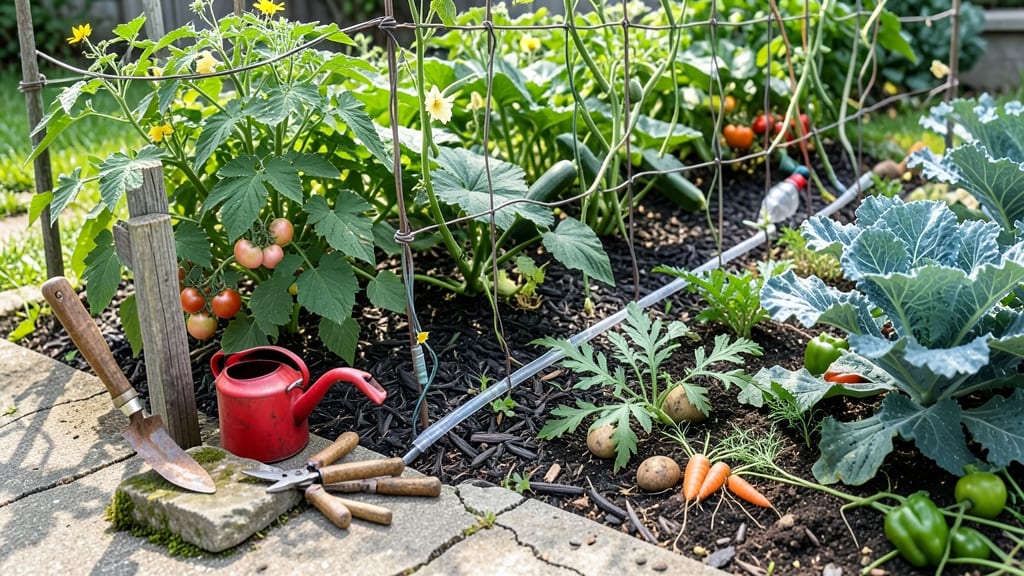
Front yard vegetable gardens are often illegal because they typically violate residential zoning laws regarding plant height, appearance, or commercial farming activities. Always verify local codes for setback rules and approved ornamental alternatives.
Most cities classify front yards as "landscaping zones" rather than agricultural spaces, meaning edible plants are considered out of place. 🌱 The height of vegetable crops—like corn or sunflowers—often exceeds municipal limits, while leafy greens may be deemed "unsightly" compared to manicured lawns.
I've seen cases where homeowners received fines after neighbors complained about vines or overgrown tomato plants, even when the garden was purely for personal use.
Even if your intentions are harmless, zoning boards focus on visual uniformity and property values. For instance, a 6-foot-tall sunflower might violate height restrictions, while a neatly trimmed 3-foot ornamental shrub would pass inspection. Always check your city's specific regulations before planting anything edible in the front yard.
💡 In This Article
- Common Zoning Laws Restricting Front Yard Gardens
- Legal Alternatives to Front Yard Vegetable Gardening
Common zoning laws restricting front yard gardens
Most residential zoning codes classify front yards as "landscaping zones," not agricultural spaces. This means vegetable gardens—especially those with tall plants like corn (which can reach 8-12 feet) or sunflowers (up to 10 feet)—often violate height restrictions.
For example, many cities enforce a 3-foot maximum height for plants in the front yard to maintain curb appeal and property values. 🌱 Even smaller crops like tomatoes (which can grow 4-6 feet tall) may trigger complaints if they appear unkempt.
The issue isn't just height—it's also about aesthetics and land use. Zoning boards typically require front yards to feature "ornamental plants" or "manicured landscapes" rather than edible crops. This is because vegetables often look "messy" compared to neatly trimmed shrubs or flowering plants.
For instance, a sprawling cucumber vine or a row of pole beans might be deemed "unsightly," even if they're perfectly legal in a backyard. Some cities even ban visible irrigation systems in front yards, which is common for vegetable gardens.
Commercial farming rules also play a role. If your garden produces more than a few pounds of vegetables per year, it might be classified as a "home business" or "agricultural operation," requiring permits or zoning changes.
For example, growing 50 pounds of tomatoes annually could trigger scrutiny, while the same yield in a backyard might be ignored. This distinction is critical because residential zones don't allow commercial-scale production, even for personal use.
Setback requirements further complicate things. Many municipalities mandate that plants stay at least 3-5 feet away from property lines to avoid disputes with neighbors. A front-yard vegetable garden might encroach on this buffer, especially if you're using raised beds or trellises.
I've seen cases where homeowners planted herbs or lettuce in the front yard only to receive violations for "invasive plantings" that disrupted the neighborhood's uniform appearance.
Another key factor is how zoning boards define "vegetable gardens." Some cities explicitly prohibit "edible landscapes," while others allow them if disguised as ornamental plants.
For example, you might grow dwarf varieties of vegetables (like bush beans or compact tomatoes) that blend in with flowers, but the moment your garden looks like a farm plot, you're likely in violation.
Always check your city's specific definitions—what's allowed in one suburb might be banned just blocks away.
Neighbor complaints are the fastest way to trigger an inspection. Even if your garden is legal, a single complaint about "overgrown plants" or "weeds" can lead to a fine or mandatory removal.
This is why many cities require front-yard plants to be "seasonally appropriate"—meaning no visible vegetables during spring and summer when lawns are expected to look pristine. 🌿 The bottom line? Front yards are for show, not for growing food.