
Vegetables
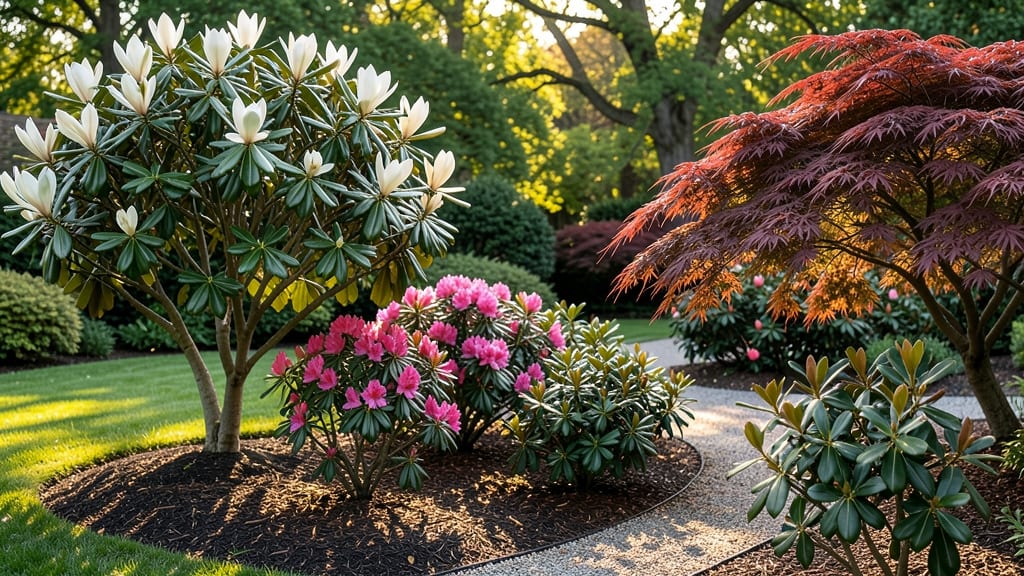
Filoli Gardens in Redwood City, CA, offers a breathtaking 550-acre estate blending historic gardens, orchards, and woodlands—all meticulously crafted by the visionary Bechtel family. The estate’s grand Italianate villa and themed gardens feature rare botanicals, ever-changing seasonal displays, and landscapes painstakingly restored to their early 1900s glory.
Filoli’s gardens stand out as a masterclass in early 20th-century American horticulture, where European-inspired formal gardens meet California’s native beauty. 🌿 The estate’s design reflects the Bechtel family’s passion for blending tradition with innovation—think symmetrical parterres, fragrant rose arbors, and even a working orchard that dates back over a century.
What’s remarkable is how the gardens adapt to seasonal changes, offering something new with every visit, from spring tulips to autumn chrysanthemums.
The Italianate villa at the heart of the estate serves as a living museum of Gilded Age elegance, complete with original furnishings and period-accurate landscaping. Unlike many historic sites, Filoli remains actively cultivated, ensuring visitors experience the gardens as they were intended—lush, vibrant, and full of life.
The estate’s woodlands also play a key role, providing a natural contrast to the formal gardens and showcasing California’s diverse ecosystems.
💡 In This Article
- The History Behind Filoli’s Iconic Garden Designs
- Best Times to Visit Filoli’s Seasonal Gardens
The history behind Filoli’s iconic garden designs
Filoli’s gardens weren’t just planted—they were designed as a bold statement of early 20th-century American horticulture. The estate’s creator, Dr. William Bowers Bourn II, and his wife, Lillian, drew inspiration from European estates like Villa d’Este in Italy but adapted them to California’s unique climate.
The result? A seamless blend of formal symmetry and native resilience. The Italianate villa at the center anchors the design, with its grand terraces and arched windows framing the gardens like a stage.
This architectural harmony wasn’t accidental—it mirrored the Bechtel family’s belief that gardens should be both functional and dramatic, much like the era’s grand opera houses.
The formal gardens, with their meticulously clipped topiary and geometric flowerbeds, showcase a technique called "parterre," where paths divide the space into precise, often symmetrical sections. What’s fascinating is how the designers incorporated California’s native plants—like coastal manzanita and California lilacs—into these structured layouts.
These plants, adapted to the region’s mild winters and dry summers, required less water and maintenance than European imports, proving that beauty and sustainability could coexist long before it became a modern trend.
The estate’s original plant lists from the 1920s reveal a careful balance of imported roses and hydrangeas with native species, creating a garden that feels both timeless and distinctly Californian.
One of the most striking features is the estate’s orchard, which dates back to 1906 and remains one of the oldest continuously producing orchards in the Bay Area.
The Bechtels planted over 100 varieties of fruit trees—including apples, pears, and peaches—arranged in neat rows that double as both functional farmland and decorative elements. This wasn’t just about aesthetics; it was a practical solution for self-sufficiency during a time when fresh produce was harder to transport.
The orchard’s layout also demonstrates the Bechtels’ understanding of microclimates—the southern-facing slopes receive more sunlight, ideal for heat-loving fruits like apricots, while the northern sections stay cooler for apples.
The gardens’ seasonal transformations were another deliberate choice. The Bechtels and their landscape architect, George R. Davis, selected plants that would provide year-round interest, from the delicate blooms of spring tulips to the fiery hues of autumn chrysanthemums. This approach wasn’t just for visual appeal—it reflected the family’s scientific curiosity.
They maintained detailed records of planting dates, bloom cycles, and even soil conditions, treating the gardens almost like a living laboratory. Today, these records help modern horticulturists understand how to preserve the estate’s original intent while adapting to contemporary gardening challenges, like water conservation.
What makes Filoli’s design particularly innovative is its integration of "wild" and "cultivated" spaces. The formal gardens contrast sharply with the estate’s woodlands, which were preserved as natural corridors rather than landscaped. This duality was ahead of its time—it predates modern ecological gardening by decades.
The woodlands, filled with coast live oaks and bay laurels, serve as a reminder that even the most structured gardens need untamed edges to thrive. This philosophy aligns with today’s emphasis on biodiversity, proving that the Bechtels weren’t just decorating—they were creating ecosystems.
Visitors often overlook how the villa itself is part of the garden design. The Bechtels positioned large windows and doors to frame views of the gardens, turning the interior into an extension of the outdoors.
This connection between architecture and landscape was revolutionary—it blurred the line between home and garden, making the entire estate feel like a single, cohesive experience.
Even the villa’s roof garden, planted with drought-tolerant succulents, was designed to soften the building’s silhouette and reduce heat absorption, a clever adaptation to California’s climate that’s still relevant today.
If you visit Filoli, take a moment to stand in the "Sunken Garden," where the Bechtels planted rare camellias and azaleas in a depression to create a cooler microclimate. This was no small feat—importing these plants required navigating early 20th-century shipping challenges, and their survival speaks to the family’s dedication.
The garden’s layered history—from its Gilded Age origins to its modern role as a conservation site—makes every bloom a story waiting to be discovered. 🌸