
Tools
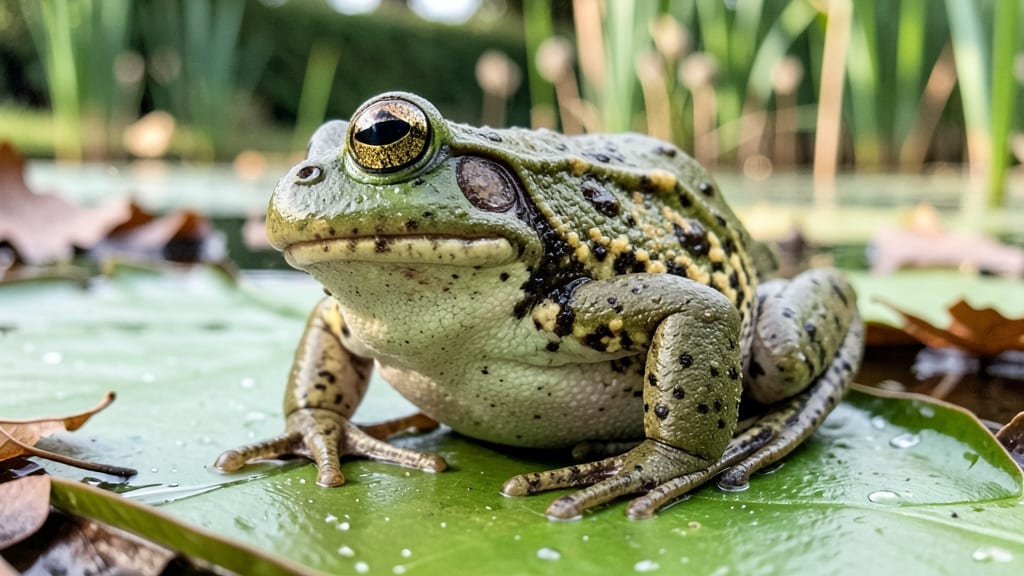
Frogs in your garden are good or bad—they naturally control pests like mosquitoes, slugs, and beetles while boosting soil quality through their nutrient-rich waste. However, too many frogs can sometimes compete for resources or nibble on young plants.
Frogs act like tiny, leaping pest control teams in your garden. 🐸 They feast on insects that would otherwise destroy your plants, including mosquitoes, snails, and even some beetles. Their presence also supports a healthier ecosystem by keeping populations of harmful bugs in check.
The key is balance—while they're helpful, their waste improves soil fertility, creating a natural cycle of benefits.
If you notice signs of overpopulation—like excessive tadpoles or damage to seedlings—you can gently manage their numbers by providing alternative water sources or creating barriers around vulnerable plants. Most gardeners find that frogs are allies, not invaders, when given the right conditions to thrive.
💡 In This Article
- How Frogs Benefit Garden Ecosystems
- Managing Frog Populations for a Balanced Garden
How frogs benefit garden ecosystems
Frogs serve as nature's pest control specialists, with their diets targeting some of the most destructive garden invaders. A single frog can consume up to 100 insects per night, including mosquito larvae (which breed in standing water), slugs (which devour leaves), and beetles (that attack roots and stems).
Their hunting strategy is particularly effective because they focus on soft-bodied insects that other predators often avoid.
For example, a common garden frog can reduce slug populations by 30-50% in just a few weeks—this is crucial since slugs alone can destroy 60% of a young plant's foliage in a single night. 🐸
The ecological benefits extend beyond pest control. Frogs are indicator species, meaning their presence signals a healthy ecosystem with clean water, diverse plant life, and balanced insect populations. Their waste—rich in nitrogen and phosphorus—actually fertilizes the soil, creating a natural nutrient cycle.
Studies show that gardens with frog populations have 20% more beneficial insects (like bees and ladybugs) because frogs help regulate harmful predators that would otherwise decimate these pollinators. Unlike chemical pesticides, frogs target only the pests they need, leaving beneficial insects and plants unharmed.
One of the most underrated ways frogs help gardens is by disrupting insect breeding cycles. Mosquitoes, for instance, lay their eggs in standing water—frogs eat the larvae before they mature into flying adults.
This breaks the mosquito life cycle, reducing both the nuisance of bites and the risk of diseases like West Nile virus.
Their presence also encourages other wildlife, like birds and bats, which may visit your garden to feed on the same insects or even the frogs themselves, creating a multi-layered ecosystem that thrives without human intervention.
Frogs also play a role in soil aeration through their digging behavior. As they search for food or burrow to escape predators, they create small tunnels that improve soil drainage and allow roots to access oxygen more easily.
This is especially beneficial in compacted or clay-heavy soils, where waterlogging can suffocate plant roots. The combination of pest control, natural fertilization, and soil improvement makes frogs one of the most cost-effective and sustainable garden allies you can have—with zero environmental downsides like chemical runoff. 🌱
However, not all frogs have the same impact. Bullfrogs, for example, are larger predators that may eat smaller frogs, disrupting the natural food chain, while tree frogs focus more on flying insects like moths and flies.
The key is attracting the right species—those that specialize in garden pests. This is where their habitat preferences come into play, as we'll explore in managing their populations effectively.