
Pests
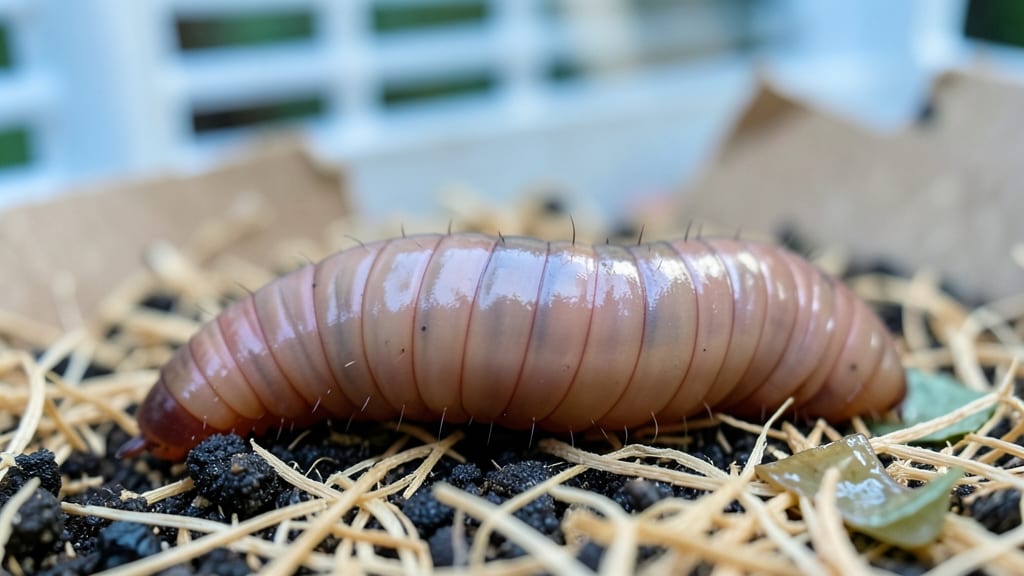
Garden worms eat decaying organic matter like fallen leaves, grass clippings, fruit scraps, and composted vegetables. They thrive on nitrogen-rich materials and help break down plant debris into nutrient-rich castings for soil health.
Garden worms are nature's recyclers, feasting on decomposed plant materials that most other creatures avoid. 🌱 Their diet primarily consists of cellulose-rich substances like rotting wood, plant roots, and even manure, which they process through their digestive systems to create nutrient-packed castings.
These castings act like a natural fertilizer, enriching soil with essential minerals and improving its structure. What's fascinating is how worms selectively consume materials based on their nitrogen content—high-nitrogen foods like coffee grounds or vegetable scraps are especially appealing to them.
In a garden setting, worms prefer moist, shaded environments where organic matter decomposes naturally. Compost piles and mulched garden beds become their buffet tables, while dry or chemically treated materials repel them.
Understanding their preferences helps gardeners create ideal conditions for these beneficial creatures to thrive and keep soil healthy year-round.
💡 In This Article
- Natural Diet of Earthworms: Breaking Down Organic Materials
- Feeding Garden Worms: Best Organic Foods and What to Avoid
Natural diet of earthworms: breaking down organic materials
Earthworms are biological engineers, using their specialized digestive systems to process cellulose—the tough, fibrous material found in plant cell walls. Their gizzard, a muscular organ lined with tiny stones they ingest, grinds up organic matter into a fine paste.
This mechanical breakdown allows them to extract nutrients from materials that would be indigestible to most animals. The process creates nutrient-rich castings that improve soil structure and fertility, acting like a natural slow-release fertilizer.
The key to their diet lies in nitrogen balance. Worms prefer a mix of carbon-rich materials (like dried leaves) and nitrogen-rich foods (such as fruit scraps or grass clippings).
In nature, they consume 1-2 times their body weight daily, with their digestive efficiency peaking when the carbon-to-nitrogen ratio sits between 20:1 and 30:1. Too much carbon (like pure wood chips) slows decomposition, while excess nitrogen (from meat or dairy) creates ammonia buildup that harms them. 🌱
Worms also play a crucial role in soil aeration. As they tunnel through the earth, they create channels that improve water drainage and root penetration. Their burrows can reach depths of 3-6 feet, mixing surface organic matter with subsoil and distributing nutrients downward.
This vertical mixing is why worm activity boosts soil health more effectively than surface composting alone.
What's often overlooked is their preference for partially decomposed materials. Fresh plant matter contains too much water and lacks the microbial colonization that worms thrive on. Instead, they target "rotting" leaves or compost that's 2-4 weeks old, where beneficial bacteria and fungi have already begun breaking down the cellulose.
This microbial pre-processing makes the food more digestible for the worms.
In a garden setting, worms actively seek out decaying roots, fallen bark, and even animal manure—though they avoid fresh feces due to its high ammonia content. Their selective feeding habits help create a balanced ecosystem where no single type of organic matter dominates.
This natural filtering process is why their castings contain 50% more nutrients than the original soil, making them one of nature's most efficient recycling systems. 💫
Their digestive process also produces beneficial enzymes that further break down complex organic compounds. For example, worms secrete cellulase enzymes that convert cellulose into simpler sugars, which they then metabolize. This enzymatic action creates a cascade effect in the soil, accelerating decomposition and making nutrients more available to plants.
The result is a self-sustaining cycle where worms both consume and enhance the very materials they feed on.
Understanding this biological process helps gardeners create ideal conditions. By providing a mix of brown materials (carbon sources) and green materials (nitrogen sources), you mimic the natural diet worms evolved to thrive on.
The key is maintaining moisture levels between 60-80% and avoiding chemical treatments that could harm their delicate digestive systems. 🌿