
Tools
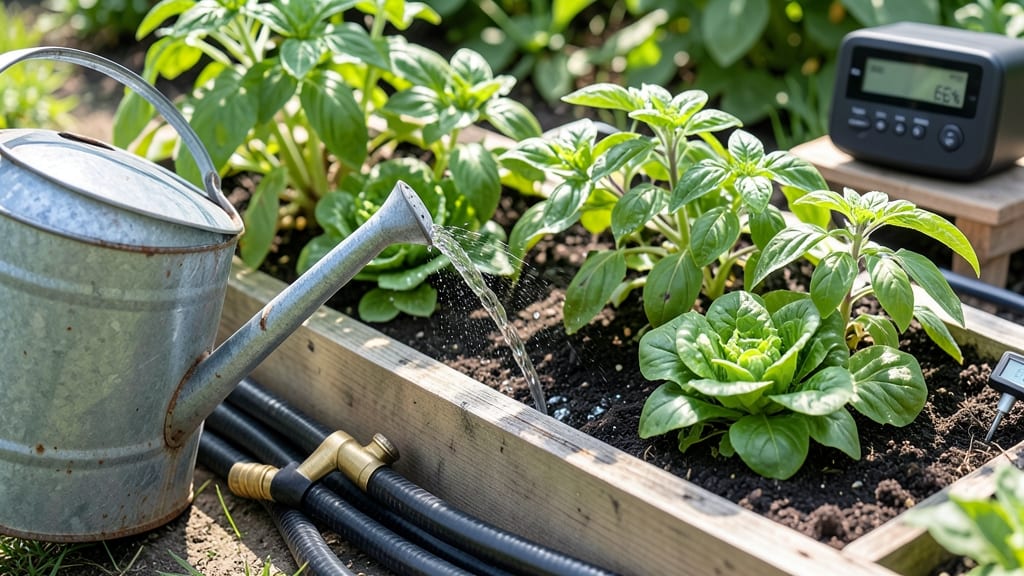
To determine how often a garden should be watered, consider plant types, soil conditions, and climate—most vegetables thrive with 1 to 1.5 inches of water weekly, while succulents only need deep but infrequent watering every 2-3 weeks. Early morning watering minimizes evaporation and fungal risks, and checking soil moisture before each session prevents overwatering.
Your garden's watering schedule isn't one-size-fits-all—it's more like a puzzle where soil type, plant species, and local weather dictate the rhythm. 🌱 For example, leafy greens like lettuce need consistent moisture to stay crisp, while root vegetables like carrots prefer deeper, less frequent watering to encourage downward growth.
The key is observing your plants: wilting leaves often signal thirst, but soggy soil or yellowing foliage means you're overdoing it. I've found that mulching with straw or wood chips can cut water needs by up to 30% by locking in moisture and reducing evaporation.
Climate plays an even bigger role than most gardeners realize.
In hot, dry regions, you might need to water twice daily during peak summer months, while humid climates could stretch that to every other day. 💧 The secret weapon here is a moisture meter—it takes the guesswork out by telling you exactly when the top 2-3 inches of soil are dry.
Pro tip: always water at the base of plants rather than overhead to prevent fungal diseases and conserve water. This small adjustment can make a massive difference in both plant health and your water bill.
💡 In This Article
- Watering Frequency by Plant Type and Soil Needs
- Climate-Specific Watering Strategies for Gardens
Watering frequency by plant type and soil needs
Understanding your plants' root systems is the first step to perfect watering. Shallow-rooted vegetables like lettuce and spinach need frequent, light watering—about 1/2 inch per week—to keep their tender leaves hydrated without drowning their delicate roots.
These plants thrive when the top 1 inch of soil stays consistently moist, almost like a damp sponge. 💧 Meanwhile, deep-rooted crops such as tomatoes and carrots require 1 to 1.5 inches of water every 5-7 days, delivered deeply to encourage roots to grow downward in search of moisture.
The soil type transforms these guidelines entirely. Sandy soils drain water like a sieve, often requiring watering every 2-3 days because moisture evaporates quickly. In contrast, clay soils hold water like a sponge, needing watering only once every 10-14 days unless you're growing moisture-loving plants.
A simple test: squeeze a handful of soil—if it crumbles easily, it's time to water; if it stays clumped, hold off. 🌱 Herbs like rosemary and thyme fall into the drought-tolerant category, needing water only when the soil feels completely dry (usually every 1-2 weeks), while flowers like petunias demand consistent moisture to keep blooming.
Seasonal adjustments are non-negotiable. During active growth phases (spring and summer), most plants double their water needs due to higher evaporation rates and increased photosynthesis. For instance, a tomato plant might need 2 inches of water weekly in summer but only 1 inch in fall when growth slows.
Succulents and cacti, however, follow the opposite rule—they need deep watering every 2-3 weeks in summer but can go months without water in winter when they're dormant. 🌵 The key is matching your watering rhythm to your plants' natural cycles.
Mulching transforms watering efficiency by acting as a protective blanket for soil. Organic mulches like straw or wood chips reduce evaporation by up to 30%, meaning you might water 20% less frequently while keeping roots hydrated.
In my own garden, I've seen mulched beds maintain moisture for 3-5 days longer than unmulched ones during heatwaves. The secret lies in the mulch's ability to insulate soil, keeping temperatures stable and preventing the rapid drying that triggers thirst signals in plants.
Don't overlook the signs your plants send. Drooping leaves often mean thirst, but crispy edges or yellowing foliage signal overwatering. Root vegetables like beets and potatoes actually rot if kept too wet, while leafy greens wilt dramatically when dehydrated. The solution?
A moisture meter ($15-20) eliminates guesswork by showing real-time soil moisture levels. I've found that inserting it 2-3 inches deep gives the most accurate reading for most garden plants. 💡 This small investment saves both plants and water.
Herbs deserve special attention due to their diverse needs. Mediterranean herbs like oregano and sage thrive on neglect, needing water only when the soil is bone-dry (usually every 3-4 weeks), while basil and cilantro demand consistent moisture to prevent bolting (flowering prematurely).
The trick is grouping plants with similar water needs together—a technique called "hydrozoning"—to streamline your watering routine. This approach cuts maintenance time by 40% while keeping each plant perfectly hydrated. 🌿