
Tools
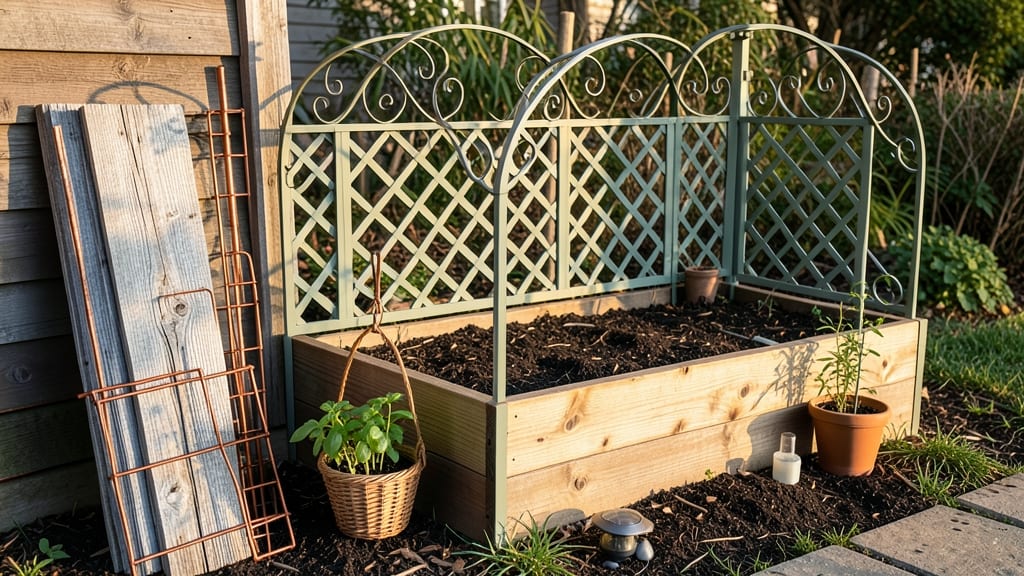
Creating garden enclosure plans starts with measuring your space, selecting materials like wood or metal, and designing for privacy or security—whether you choose decorative picket fences or solid perimeter walls. Always sketch your dimensions first and prioritize weather-resistant materials for lasting durability.
Designing your garden enclosure isn't just about aesthetics—it's about function. 🌿 Start by mapping your yard's layout to determine sun exposure and wind patterns, which directly impact plant health. For example, a tall wooden fence might block sunlight for shade-loving plants but create a cozy, private retreat.
I always recommend testing materials in small sections first; cedar resists rot but costs more than pine, while metal offers security but requires regular painting. Don't forget to account for gates and access points—they're often the weakest links in both design and durability.
Budget-friendly options like bamboo or lattice panels can achieve similar privacy effects while keeping costs down. For larger gardens, consider modular designs that let you expand over time.
The key is balancing your vision with practical needs—whether that means choosing low-maintenance vinyl for longevity or opting for natural stone for a rustic, timeless look.
💡 In This Article
- Key Factors for Designing Functional Garden Enclosure Layouts
- Free DIY Garden Enclosure Materials and Cost-Saving Tips
Key factors for designing functional garden enclosure layouts
When designing your garden enclosure, the first critical factor is sunlight exposure—plants inside need proper light to thrive. For example, a 6-foot-tall fence can cast shadows 2-3 feet wide, depending on the sun's angle.
If you're growing sun-loving plants like tomatoes or lavender, position your enclosure to allow maximum light penetration. Conversely, shade-tolerant plants like ferns or hostas will thrive in areas where the fence provides natural shade during peak sunlight hours. 🌿
The material choice directly impacts both aesthetics and plant health. Wooden fences, like cedar or redwood, offer natural insulation that protects plants from harsh winds but may require sealing to prevent moisture damage. Metal fences provide security but can reflect sunlight, creating hot spots that may stress heat-sensitive plants.
Lattice or trellis designs, on the hand, allow airflow and dappled sunlight—ideal for climbing plants like jasmine or clematis.
For example, a vinyl fence might cost $10-$20 per square foot but lasts decades without maintenance, while a wooden fence could range from $5-$15 per square foot depending on the wood type.
Privacy and security often dictate height and material density. A 4-foot-tall fence blocks line-of-sight for most neighbors, while 6-8 feet offers full privacy but may require permits in some areas. For security, metal or reinforced wood with lockable gates adds an extra layer of protection. I’ve found that combining materials—like a wooden base with a lattice top—balances privacy and airflow beautifully. Always check local building codes, as height restrictions vary by region (common limits are 6 feet for residential areas).
Ventilation is another often-overlooked factor. Enclosed spaces can trap heat, creating microclimates that may harm plants. For instance, a solid wooden fence on a sunny day can raise temperatures inside by 5-10°F compared to open-air conditions. To mitigate this, incorporate gaps, lattice panels, or even small vents at the top of the enclosure. If you’re growing delicate flowers or herbs, consider a semi-permeable design with 30-50% openness to allow airflow while maintaining privacy. 🌬️
Finally, structural stability ensures your enclosure lasts. For windy areas, use 4x4 posts buried 2 feet deep and reinforced with concrete or metal brackets. In regions with heavy snow, sloped designs prevent accumulation.
For example, a 6-foot-tall fence in a snowy climate should have a slight outward angle to shed snow easily. Always test the ground’s drainage—water pooling at the base can rot wooden posts or corrode metal over time.
Pro tip: Sketch your layout to scale, marking plant locations and sun paths. This helps visualize how the enclosure will interact with your garden’s ecosystem before you commit to materials or construction. 💡