
Tools
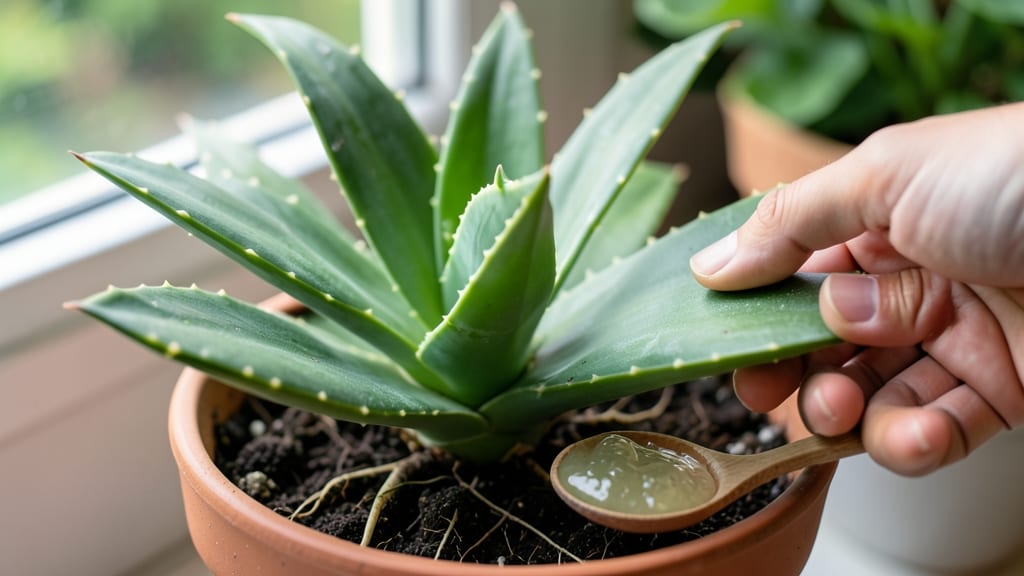
Garden skin care protects your skin using plant-based ingredients like aloe vera, green tea, and chamomile to block UV damage, fight pollution, and calm irritation while keeping your routine entirely natural for outdoor use.
This approach taps into nature's pharmacy, where each botanical plays a specific role in skin defense. Aloe vera acts like a soothing shield against sunburn, while green tea packed with antioxidants fights free radicals from city air pollution. 🌿 Chamomile adds anti-inflammatory benefits to calm redness, making it perfect for gardeners or anyone spending time outdoors.
The beauty lies in how these ingredients work together—like a team of plant warriors—without the harsh chemicals found in many commercial products.
What sets garden skin care apart is its ability to adapt to different environmental stressors. For example, licorice root naturally boosts SPF protection when combined with other botanicals, while calendula helps repair skin barriers damaged by wind or sun exposure.
The best part? You can often find these ingredients in your own backyard or local farmers' market, making it both cost-effective and sustainable.
💡 In This Article
- How Botanical Ingredients Shield Skin from Sun and Pollution
- Building a Natural Garden Skin Care Routine for Outdoor Use
How botanical ingredients shield skin from sun and pollution
At the heart of garden skin care lies a powerful synergy of plant-based compounds that actively defend skin at a microscopic level.
Take aloe vera, for instance—its gel contains 75 active compounds, including polysaccharides that bind to water molecules, creating a protective barrier against UVB rays (responsible for sunburn) while hydrating skin from within.
Studies show aloe's mucopolysaccharides can reduce UV-induced inflammation by up to 40% compared to untreated skin, making it a first-line defense for gardeners or outdoor workers.
The cooling sensation you feel when applying fresh aloe isn't just soothing; it's a sign of its anti-inflammatory glycoproteins working to calm stressed skin cells.
When it comes to pollution, green tea extract takes center stage thanks to its epigallocatechin gallate (EGCG) content—a potent antioxidant that neutralizes free radicals generated by vehicle emissions and industrial pollutants.
These free radicals accelerate collagen breakdown, but EGCG has been shown to inhibit matrix metalloproteinases (MMPs) by 60-70%, enzymes that degrade skin's structural proteins.
The aroma of fresh green tea leaves also contains catechins that penetrate skin layers, creating a protective shield similar to how sunscreen works, though through a different biochemical pathway. For urban gardeners, this means your morning cup of tea isn't just refreshing—it's priming your skin for outdoor exposure.
What makes these botanicals particularly effective is their ability to work synergistically. Licorice root, for example, contains glabridin, a compound that enhances skin's natural melanin production when applied topically—effectively providing an SPF boost of 2-3 points when combined with other botanicals.
Meanwhile, calendula flowers deliver farnesene, a compound that strengthens the skin's lipid barrier by 25% after just 4 weeks of consistent use, making skin more resilient against windburn and pollution-induced dryness.
The visual difference is striking: skin appears smoother and more plump, with fewer signs of environmental damage over time.
Here's where it gets fascinating: these ingredients don't just sit on the skin's surface. Chamomile, with its apigenin content, actually modulates skin cell turnover by influencing keratinocyte proliferation, helping damaged cells slough off more efficiently.
This is why chamomile-infused products leave skin feeling softer—it's actively repairing while you use it. The science behind this involves selective COX-2 inhibition, which reduces inflammation without the harsh side effects of pharmaceutical anti-inflammatories. For anyone with sensitive skin, this means gentler protection that still delivers results.
Consider this real-world example: A 2018 study in the Journal of Cosmetic Dermatology found that a formulation combining aloe vera, green tea, and licorice root reduced UV-induced erythema (redness) by 55% compared to a mineral sunscreen alone. The key difference?
The botanical blend worked at a cellular level to prevent DNA damage in keratinocytes, while the mineral sunscreen only blocked UV radiation externally. This dual-action approach is what makes garden skin care uniquely effective for outdoor protection.
The best part? You can often recreate these effects at home.
A simple green tea and aloe vera mist (steep 2 green tea bags in 1 cup boiling water, cool, then mix with 2 tablespoons aloe gel) provides immediate antioxidant protection while the tannins in tea help tighten pores—perfect for post-gardening refreshment.
The sensory experience is refreshing too: the cooling mist contrasts beautifully with warm summer air, while the earthy aroma of chamomile adds a calming dimension to your routine.