
Fertilization
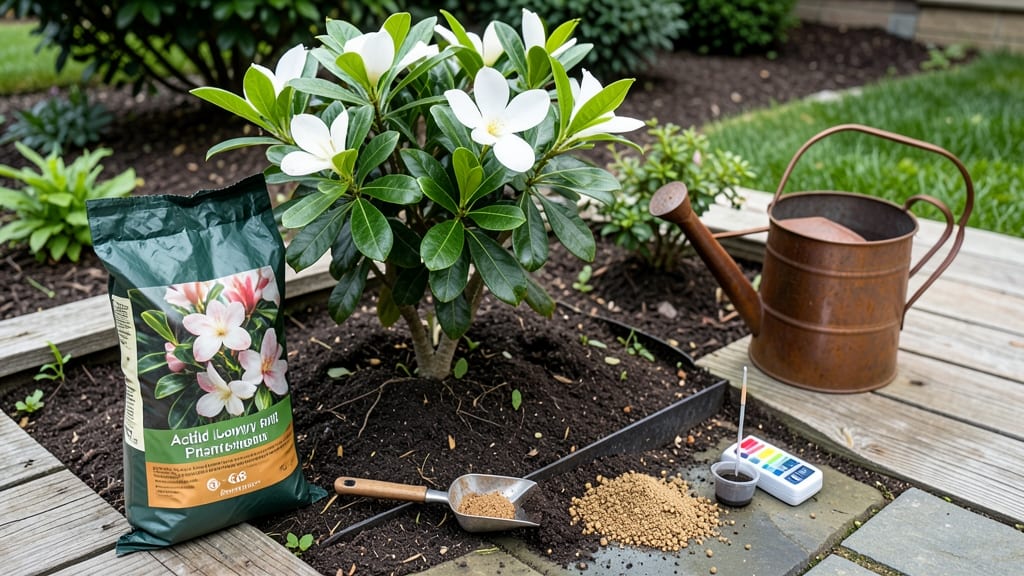
The right gardenia fertilizer ratio is the key to turning your fragrant 🌸 shrub into a blooming powerhouse — and skipping this step is how you end up with yellow leaves and no flowers.
Picture this: You’ve spent months nurturing your gardenia, only to watch it throw out lush green leaves but refuse to bloom. The problem? Too much nitrogen or the wrong acid balance.
Gardenias are picky eaters — they crave a balanced feed that’s high in phosphorus for blooms but not so heavy it burns their roots.
In this guide, I’ll break down the exact N-P-K ratios (think 6-10-10 or 3-1-2), when to feed (spring and summer only), and how to avoid the two biggest mistakes that kill blooms: over-fertilizing and ignoring soil acidity.
You’ll leave here with a seasonal feeding schedule, organic alternatives, and the confidence to adjust pH like a pro — because your gardenia deserves more than just survival.
Optimal gardenia fertilizer ratio: N-P-k breakdown for peak blooms
Gardenia plants thrive on precise N-P-K ratios that match their growth stages. Too much nitrogen (N) can produce lush leaves but fewer blooms, while too little phosphorus (P) stunts root development.
The key is balancing these nutrients while maintaining acidic soil (pH 5.0-6.5)—gardenias are finicky about their environment.
For established gardenias, I recommend starting with a 6-10-10 ratio during active growth (spring/summer), then shifting to a 3-1-2 ratio when buds form. This shift prioritizes phosphorus for blooming while keeping nitrogen in check. Organic options like fish emulsion (5-1-1) or cottonseed meal (1-2-0) work beautifully for acid-loving plants.
The N-P-K ratio you choose depends on your gardenia's life stage. New transplants need gentle feeding with a 3-1-2 ratio to avoid shock, while mature shrubs can handle the stronger 6-10-10 formula. Always dilute synthetic fertilizers to half-strength for container-grown gardenias—they're more vulnerable to root burn.
🌿
Organic fertilizers like peanut meal (6-2-0) or blood meal (12-0-0) provide a steady nitrogen release without the risk of soil pH spikes. I've found that gardenias respond best to a layered approach: top-dress with organic matter in spring, then apply a balanced synthetic fertilizer when buds appear.
This two-step method mimics natural nutrient cycles.
Adjusting your N-P-K ratio based on the season is crucial. In spring, focus on root development (higher P) with a 3-1-2 formula. By midsummer, switch to a 6-10-10 ratio to support heavy blooming. Always water thoroughly after fertilizing to prevent root burn—gardenias hate salt buildup from fertilizers.
For container gardenias, I recommend slow-release fertilizers like Osmocote (14-14-14) mixed into the potting soil at planting. This ensures a steady nutrient supply without the need for frequent applications. Pair this with monthly applications of Epsom salt (magnesium sulfate) to prevent yellowing leaves—a common deficiency in container plants.
🌸
One common mistake is using high-nitrogen fertilizers like lawn food (30-0-4) on gardenias. This leads to leafy growth at the expense of flowers. Instead, I've had success with acid-loving plant formulas (like Miracle-Gro Azalea/Camellia) or homemade compost tea.
Always test your soil's pH before fertilizing—gardenias refuse to bloom in alkaline soil.
Step-by-step guide: how to apply gardenia fertilizer without burning roots
Applying the right gardenia fertilizer ratio is key to avoiding root burn while encouraging vibrant blooms. Gardenias thrive on a balanced, acid-loving fertilizer with a 6-10-10 NPK ratio during active growth.
For mature plants, I use a 1 tablespoon per plant every 4-6 weeks in spring and summer, but always dilute it to half-strength for young or newly transplanted gardenias.
Timing matters just as much as the fertilizer ratio. I apply fertilizer in the early morning after watering the soil thoroughly. This ensures the roots absorb nutrients without the risk of salt buildup from dry soil.
Avoid fertilizing in winter or late fall, as gardenias enter dormancy and don’t need extra nutrients during this period.
⚠️ Critical Gardenia Fertilizer Ratio Warning
Never apply full-strength fertilizer to gardenias—even mature plants! New plants need ½-strength fertilizer to prevent root burn. Over-fertilizing causes yellow leaves, stunted growth, or even plant death. Always check soil pH (ideal: 5.0-6.5) before feeding.
Signs of nutrient deficiencies or over-fertilization appear quickly. If your gardenia’s leaves turn yellow between veins, it’s a classic sign of iron deficiency or over-fertilization with nitrogen.
For corrective action, flush the soil with water 2-3 times to remove excess salts, then switch to a chelated iron fertilizer for acid-loving plants.
For container gardenias, I reduce the fertilizer ratio by 50% since potted plants dry out faster and are more prone to root damage. Always water containers thoroughly before and after applying fertilizer. Use a slow-release fertilizer in spring to avoid spikes in nutrient levels, which can stress the plant.
Mulching with acidic organic matter, like pine bark or composted leaves, helps maintain the optimal pH range (5.0-6.5) and reduces the need for frequent fertilizing. I apply a 2-inch layer of mulch around the base of the plant, keeping it 2 inches away from the trunk to prevent rot.
If your gardenia shows stunted growth or fewer blooms despite regular feeding, it may need a phosphorus boost (the "P" in NPK). Switch to a 10-20-10 fertilizer for 2-3 feedings to encourage flowering. Always follow up with a balanced fertilizer to avoid nutrient imbalances.