
Planting
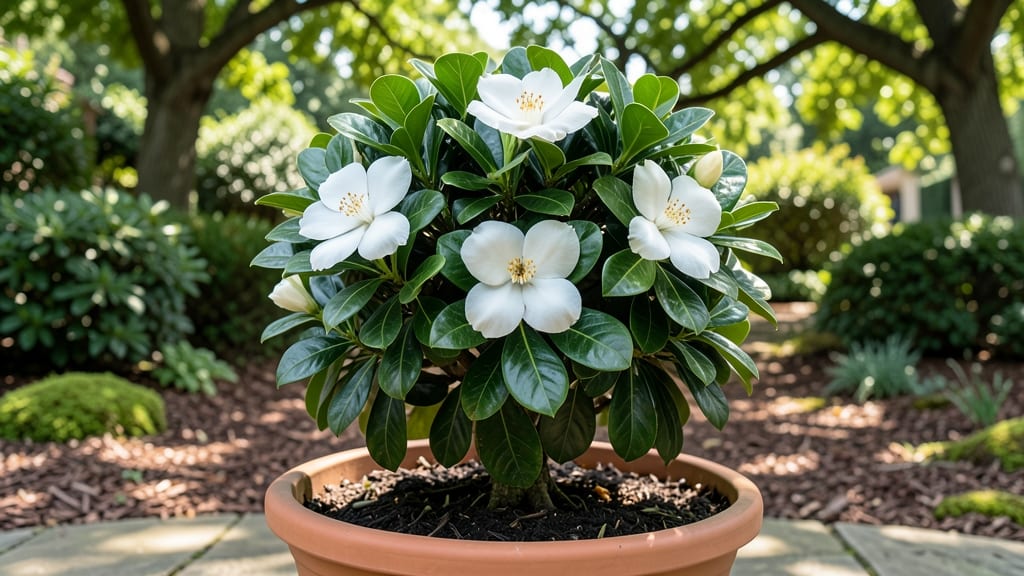
A gardenia topiary plant thrives when you start with compact varieties like 'Radicans' or 'Fortuniana,' prune strategically during active growth, and shape carefully with sharp shears to avoid over-trimming. This method delivers fragrant, dense foliage and elegant forms with consistent care.
Gardenia topiaries aren't just about artistic shaping—they reward patience with intoxicating fragrance and year-round greenery. 🌿 The key is choosing the right cultivar, as 'Radicans' stays naturally compact while 'Fortuniana' delivers thicker leaves perfect for intricate designs.
I always prune just after new growth appears in spring, using clean shears to make angled cuts above leaf nodes—this encourages bushier growth without stressing the plant. For best results, pair your topiary with well-draining soil and morning sunlight, which prevents the yellowing leaves many gardeners struggle with.
What sets gardenia topiaries apart is their dual appeal: they're both a living sculpture and a fragrant centerpiece. The shaping process takes time—typically 6-12 months to achieve a polished look—but the fragrant blooms that emerge make every careful cut worthwhile.
I recommend starting with a small plant (1-2 feet tall) to establish the framework before committing to larger designs. Remember, gardenias respond poorly to harsh pruning, so gradual shaping preserves their health while creating that perfect manicured look.
💡 In This Article
- How to Prune Gardenia Topiary for Optimal Growth
- Best Gardenia Varieties for Topiary Shaping
How to prune gardenia topiary for optimal growth
The best time to prune your gardenia topiary is during the active growth phase—typically in late spring or early summer when new leaves emerge. This timing aligns with the plant's natural growth cycle, reducing stress and encouraging bushier development.
Gardenias grow best in warmth (70-80°F), so pruning in cooler months can stunt growth or invite disease. I always wait until after the first flush of blooms has faded, as cutting back flowering stems too early can reduce next season's fragrance.
When shaping, use sharp, sterilized pruning shears to make clean cuts at a 45-degree angle just above a leaf node. This angled cut prevents water from pooling on the stem, which could lead to rot.
For topiary, focus on removing 1/3 of the plant's height at a time to avoid shocking it—gardenia leaves are delicate, and over-pruning can cause yellowing or leaf drop. 🌿 The goal is to maintain the plant's natural form while gradually guiding its growth into your desired shape, whether that's a spiral, globe, or formal hedge.
Encouraging branching requires a slightly different approach: pinch back the tips of new growth when they're about 4-6 inches long. This technique triggers the plant to produce lateral shoots, creating a denser framework for your design. Avoid cutting into old wood, as gardenias struggle to regenerate from mature stems.
Instead, focus on younger growth—this is where the plant's energy is concentrated, making it ideal for shaping. I also recommend using a lightweight copper wire to gently train branches into place while they're still flexible, which helps maintain the structure without breaking delicate stems.
One common mistake is pruning too late in the season, which can leave the plant vulnerable to cold snaps or fungal infections. Gardenias are sensitive to temperature fluctuations, so timing is everything.
Another pitfall is using dull shears, which can tear rather than cut the stems cleanly—this opens wounds that invite pests and diseases. Always clean your tools with rubbing alcohol between cuts to prevent cross-contamination.
For best results, I schedule my pruning sessions on a mild, overcast day to reduce stress on the plant.
After pruning, the plant will focus its energy on healing and producing new growth. You'll notice fresh leaves emerging within 2-3 weeks, signaling successful pruning. To support recovery, I recommend applying a balanced fertilizer (10-10-10) diluted to half-strength, which provides essential nutrients without overwhelming the plant.
Water deeply after pruning to help the roots absorb nutrients and reduce transplant shock. The key is patience—gardenia topiaries don't transform overnight, but with consistent care, they'll develop into fragrant, living works of art.
For advanced shaping, consider using a topiary wire frame to guide growth into intricate designs. This method works best with 'Fortuniana' varieties, which have thicker stems that can support the structure. Start by wrapping the frame lightly around the main branches, then adjust as the plant grows.
Remember, gardenias grow at a moderate pace (6-12 inches per year), so your topiary will evolve gradually. The reward? A plant that's not just visually stunning but also fills your garden with its intoxicating fragrance.