
Watering
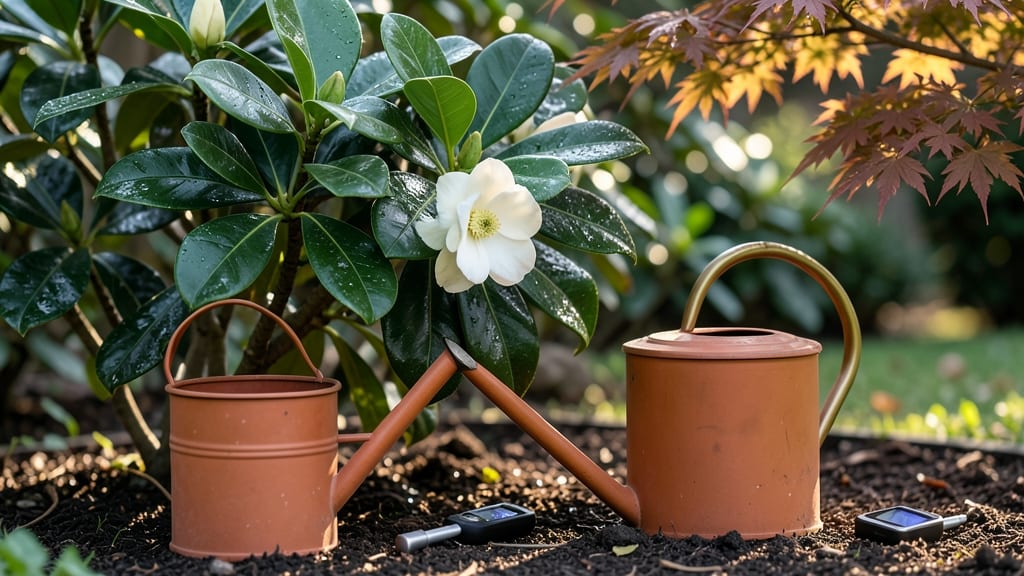
The gardenia water requirements are the secret weapon behind those fragrant blooms—but get it wrong, and you’ll end up with droopy leaves or root rot.
Picture this: You’ve nurtured your 🌸 gardenia for months, only to watch its buds drop because the soil was either too dry or soggy. The key? A science-backed watering rhythm that matches your climate and soil type.
In this guide, I’ll break down the exact schedule for your zone, how to tell if your plant is thirsty or drowning, and pro tricks to keep the roots happy without wasting water.
By the end, you’ll know when to water, how much to give, and what to watch for—so your gardenia thrives with lush foliage and endless blooms.
Gardenia watering schedule: how often to water based on soil & climate
Gardenia plants thrive on a consistent moisture schedule, but getting it right means understanding your soil type and local climate. Too much water causes root rot, while too little leads to drooping leaves and lost blooms.
The key is balancing frequency with depth—watering deeply 2-3 times per week in most conditions, but adjusting based on your environment.
For example, gardenias in sandy soil dry out faster than those in clay soil, requiring more frequent watering. Meanwhile, tropical climates demand daily hydration in peak summer, while arid regions may need every 5-7 days. Let’s break down the science-backed schedule to keep your gardenia lush and blooming.
In sandy soil, water evaporates quickly, so check moisture levels daily during heatwaves. Stick your finger 1 inch deep—if it feels dry, it’s time to water.
For loamy soil, the goldilocks zone, aim for 3-5 days between waterings, ensuring the soil stays evenly moist but not soggy. Clay soil, which retains water longer, may only need hydration weekly, but monitor for over-saturation, which gardenias despise.
Climate plays an equally critical role. In tropical or humid zones, like Florida or Hawaii, gardenias may need daily watering in summer to compensate for high evaporation rates.
Conversely, in arid regions, such as Arizona or California, reduce frequency to every 5-7 days and water deeply to encourage root growth. Always water in the early morning to minimize fungal risks and maximize absorption.
Potted gardenias dry out faster than in-ground plants, so they require more frequent attention. Water until water drains freely from the bottom, then empty the saucer to prevent root rot. A self-watering pot can help maintain consistent moisture, especially if you travel often.
For in-ground plants, consider mulching with organic matter like pine bark or compost to retain moisture and regulate soil temperature.
Seasonal adjustments are non-negotiable. During spring and summer, when gardenias are actively growing, increase watering to every 2-3 days. In fall and winter, reduce to every 7-10 days as growth slows.
Watch for leaf color changes: dark green indicates healthy moisture, while yellow or brown signals trouble. If your gardenia’s leaves curl or wilt, it’s often a cry for help—either more water or less, depending on the soil’s current state.
Pro tip: Use a moisture meter for precision. Insert it into the soil near the roots—aim for 40-50% moisture. If it reads lower, water; if higher, hold off.
This tool eliminates guesswork and keeps your gardenia thriving year-round. Pair it with a drip irrigation system for automated, consistent hydration, especially in large gardens or during vacations.
Remember, gardenias are sensitive to extremes
Signs your gardenia is thirsty (or drowned): visual & texture clues
Your gardenia might look lush, but subtle changes in its leaves and stems reveal whether it's thirsty or drowned. Unlike drought-tolerant plants, gardenias demand consistent moisture—too little causes wilting, while too much triggers root rot.
The key lies in leaf texture and stem firmness, which I’ll break down into actionable clues.
Start by examining the leaf edges. Crispy, brown edges signal underwatering, while yellowing leaves with mushy stems scream overwatering. Both conditions stress your plant, but the fixes couldn’t be more different.
Let’s decode these visual cues with a 5-step check to save your gardenia before it’s too late.
Gardenia Watering: Pros & Cons
✅ Underwatering Signs
- Drooping leaves (even after watering)
- Crispy leaf edges (brown or black)
- Dry, brittle stems when touched
- Slow growth or no new blooms
Fix:
Water deeply until soil is moist 2-3 inches down. Repeat every 2-3 days in heat.
❌ Overwatering Signs
- Yellowing leaves (starting at bottom)
- Mushy stems (squishy when pressed)
- Foul soil smell (like rot)
- Wilting despite wet soil
Fix:
Let soil dry 1-2 inches deep between waterings. Repot if root rot is suspected.
"Gardenia roots need oxygen—watering on a schedule, not by guesswork."
First, press your finger 1-2 inches into the soil. If it feels bone-dry, your gardenia is thirsty. But if water pools on top or the soil smells sour, you’ve overdone it.
Gardenias hate soggy roots—root rot spreads faster than you think. For potted gardenias, lift the pot: a light pot means roots are dry; a heavy pot suggests overwatering.
Next, inspect the leaf undersides. White fungal spots or blackened veins are red flags for overwatering. On the flip side, curled leaves with silver undersides mean your plant is wilting from thirst.
Both issues require immediate action, but the fixes are polar opposites—drought-stressed plants need hydration, while waterlogged ones need drying.
Don’t ignore the stem base. A healthy gardenia stem feels firm but slightly spongy. If it’s squishy or blackened, root rot has set in. Trim affected stems with sterilized shears and repot in fresh, well-draining soil.
For underwatered plants, soak the root ball for 15-20 minutes to revive them. Consistency is key—gardenia roots thrive in moist but never soggy conditions.
Pro tip: Use a moisture meter for accuracy. Aim for 50-60% moisture in the root zone. If you’re unsure, err on the side of underwatering—gardenia roots recover faster from drought than from rot.
Adjust your watering based on the season: daily checks in summer and bi-weekly in winter keep your plant balanced.
Remember, your gardenia’s blooms depend on hydration. A well-watered plant rewards you with fragrant, glossy flowers, while a neglected one struggles to survive. Master these visual cues, and you’ll keep your gardenia thriving—not just alive. 🌸