
Aphids
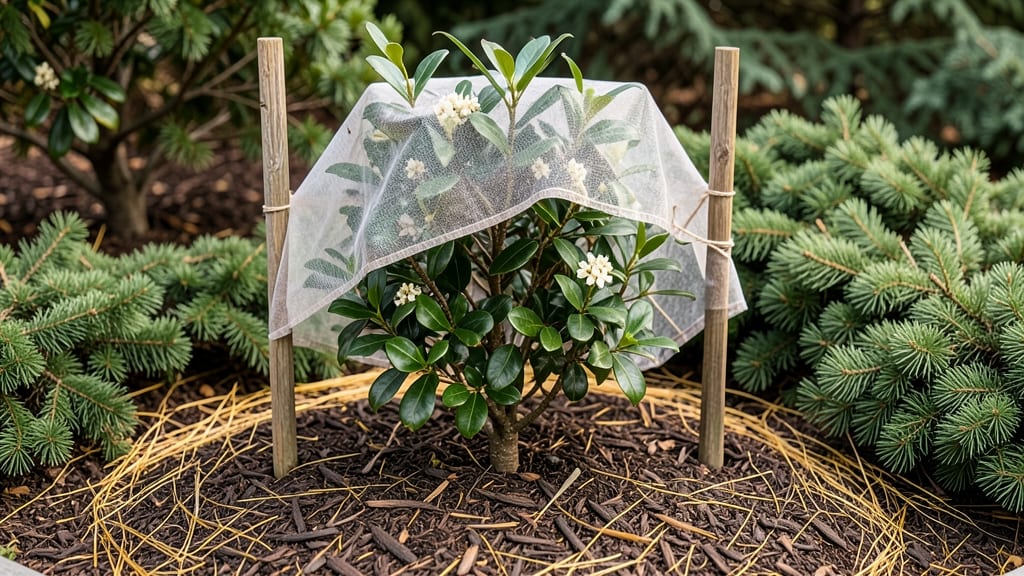
Winter-hardy gardenia varieties can survive cold climates with the right conditions, featuring cold-tolerant types like Gardenia jasminoides 'Kleim's Hardy' (USDA Zones 7-9) and Gardenia augusta 'Radicans' (Zones 8-10). These varieties endure light frost when properly dormant and mulched, with evergreen options providing year-round greenery while deciduous types offer deeper cold resistance.
The key to growing gardenias in colder regions lies in their natural adaptations. 🌿 Unlike tropical gardenias that struggle below Zone 8, these hardy varieties trigger dormancy in winter, allowing their roots to insulate against freezing temperatures.
Evergreen types like 'Kleim's Hardy' keep their leaves through mild winters, while deciduous varieties like 'Radicans' drop foliage entirely to conserve energy. Proper mulching—adding 3-4 inches of organic matter around the base—creates an insulating barrier that can raise soil temperatures by 5-10°F, making all the difference in marginal zones.
For best results, plant these gardenias in sheltered locations where winter winds can't penetrate, and ensure well-draining soil to prevent root rot during freeze-thaw cycles. 💛 In my experience, the difference between a thriving winter-hardy gardenia and a struggling one often comes down to these two factors: strategic placement and consistent winter care.
Pruning in late winter (before new growth begins) helps maintain a compact shape while protecting tender new shoots from late frosts.
💡 In This Article
- How Cold-Resistant Gardenias Survive Winter
- Planting and Winter Care for Hardy Gardenias
How cold-resistant gardenias survive winter
Cold-resistant gardenias like Gardenia jasminoides 'Kleim's Hardy' have evolved unique survival mechanisms that allow them to endure temperatures as low as 10°F when properly dormant. The real secret lies in their ability to trigger dormancy—a state where metabolic activity slows dramatically, conserving energy.
This process is triggered by shorter daylight hours and cooler temperatures, typically between 50-60°F in fall. During dormancy, the plant's roots act as an insulating system, storing carbohydrates and water to protect vital tissues from freezing.
Leaf structure plays a critical role too. Evergreen varieties like 'Kleim's Hardy' retain their foliage through mild winters, but their leaves contain wax coatings that reduce water loss and prevent ice formation. Deciduous types, however, drop their leaves entirely to avoid the energy drain of maintaining foliage in freezing conditions.
This leaf-shedding strategy can push their cold tolerance down to 5°F in ideal conditions, though they require full dormancy. The USDA zone system reflects these adaptations—Zone 7-9 varieties like 'Kleim's Hardy' can handle brief frost events, while Zone 8-10 types need slightly warmer protection.
What most gardeners overlook is how soil temperature affects survival. Even if air temperatures drop below freezing, gardenia roots can remain viable if soil stays above 25°F.
This is why proper mulching—using 3-4 inches of shredded bark or pine straw—creates a thermal blanket that can raise soil temperatures by 5-10°F. The mulch also prevents freeze-thaw cycles that can heave roots out of the ground, a common cause of winter damage in marginal zones.
Here's where the science gets fascinating: gardenias produce antifreeze proteins during dormancy, similar to those found in cold-hardy plants like winter wheat. These proteins bind to ice crystals, preventing them from growing large enough to rupture cell walls.
While not as dramatic as some hardy perennials, this biological adaptation explains why properly cared-for gardenias can survive temperatures they'd otherwise perish in. The difference between a thriving plant and a dead one often comes down to whether these natural protections are supported by proper winter care.
Consider this comparison: A gardenia in Zone 7 with 4 inches of mulch and winter protection might survive -5°F air temperatures, while an identical plant with minimal mulch could suffer leaf burn at just 20°F.
The mulch's insulating effect creates a microclimate where the plant's natural cold resistance can fully activate. This is why gardeners in marginal zones often report success with these varieties—when all the right conditions align.
For those pushing the limits in Zone 6, additional protection like burlap wraps or frost blankets can extend survival thresholds. The key is maintaining dormancy until late winter, when new growth begins only after consistent temperatures above 50°F.
This timing ensures the plant's delicate new shoots aren't exposed to late frosts, which can be just as damaging as winter freezes.