
How To
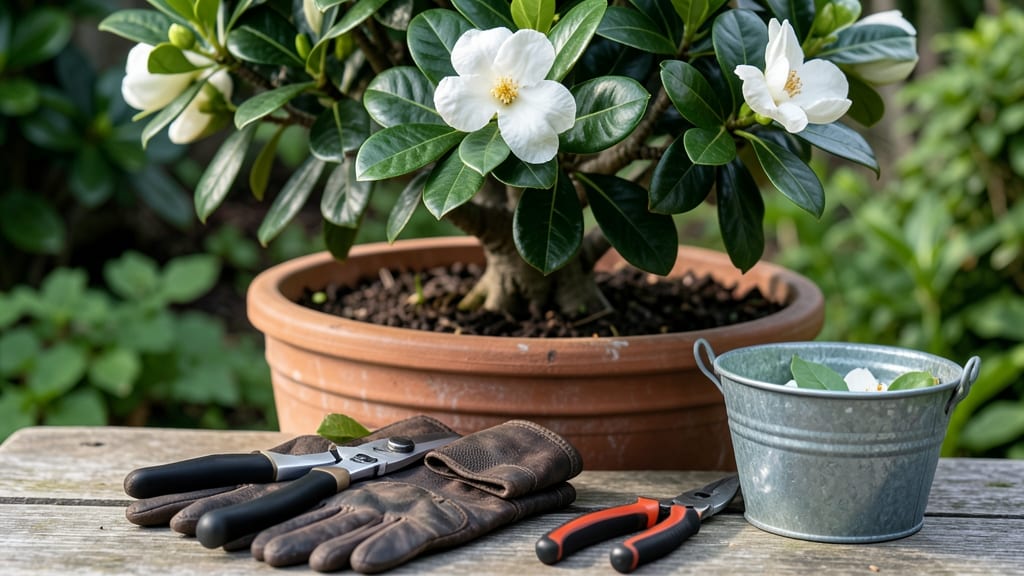
Cutting back your gardenia bush at the right time ensures vibrant blooms next season and keeps it healthy through winter.
Struggling to keep your gardenia bush blooming beautifully year after year? The secret lies in strategic pruning—but timing is everything. Cut too early, and you risk stunting next season’s flowers; wait too long, and you may sacrifice winter hardiness.
For gardeners in USDA Zones 6a-9b, late winter—after the last frost but before new growth starts—is the perfect window. This timing balances growth and bloom potential, giving your 🌸 gardenia the best chance to thrive.
In this guide, I’ll walk you through the exact timing, tools, and techniques to prune for stronger blooms, plus common mistakes to avoid so your gardenia stays lush and fragrant all season.
Best late winter timing for pruning gardenia bushes (with climate considerations)
Pruning your gardenia bush at the right time ensures vibrant blooms and healthy growth all season. The ideal window is late winter, just as new growth begins but before buds form. This timing balances winter hardiness and spring revival, preventing frost damage while encouraging robust flowering.
In most regions, this means pruning between mid-February and early March in the Northern Hemisphere (or August-September in the Southern Hemisphere). However, your local frost-free dates and USDA hardiness zone play a critical role.
For example, gardenias in Zone 8 may need pruning a month earlier than those in Zone 6.
| Climate Zone | Best Pruning Window | Key Cues | Avoid Pruning If |
|---|---|---|---|
| Northern Hemisphere (Zones 6-9) | Mid-February to early March | New growth appears; buds not yet swollen | Frost predicted; buds visible |
| Southern Hemisphere (Zones 7-10) | August to early September | Post-summer dormancy; fresh leaves emerge | Heavy rains; extreme heat waves |
| Tropical (Zone 10+) | Late winter (February) | Dry season begins; minimal rain | Monsoon season; high humidity |
| Cold Regions (Zone 5 or below) | Early April (after last frost) | Soil thaws; no frost risk | Nighttime temps below 32°F |
For gardeners in frost-prone areas, wait until after the last frost date to prune. Check your local National Weather Service for 10-day forecasts—pruning too early can expose tender new growth to cold snaps.
In warmer climates like Florida or Southern California, late winter means February, but avoid pruning during peak heat or monsoon season.
Northern Hemisphere gardeners should also watch for bud swelling, a clear sign to delay pruning. If you see tight, green buds forming, hold off until spring. In the Southern Hemisphere, prune after the summer dormancy period ends, typically when new leaves begin to unfurl.
This timing ensures your gardenia enters its active growth phase with minimal stress.
Another critical factor is your gardenia’s mature size. Smaller varieties (like ‘Kleim’s Hardy’) can handle lighter pruning, while larger shrubs may need 25-30% of their branches trimmed to maintain shape.
Always remove dead, diseased, or crossing branches first—these should be cut at any time of year. But for structural shaping, late winter is your best bet.
If you’re unsure about your local climate’s impact, use the USDA Plant Hardiness Zone Map as a guide. For example, gardenias in Zone 7 (like Atlanta or Memphis) can tolerate slightly earlier pruning than those in Zone 6 (Chicago or Denver).
Adjust your schedule by 1-2 weeks based on your specific microclimate. A south-facing wall or urban heat island effect might also shift your ideal timing.
Pro tip: Mark your calendar based on moon phases if you’re into lunar gardening. Pruning during the waning moon (after a full moon) is said to encourage root growth, which helps your gardenia recover faster. While not scientifically proven, many gardeners swear by this method for stress reduction in plants.
Finally, avoid the temptation to prune in fall or early spring. Fall pruning can stimulate late-season growth that’s vulnerable to frost, while early spring cuts remove flower buds already forming. Late winter strikes the perfect balance—giving your gardenia a clean slate without sacrificing next year’s show-stopping blooms.
Step-by-step pruning guide: how to cut back for healthier growth and more blooms
Pruning your gardenia bush correctly transforms it from a tangled mess into a bloom powerhouse. The key lies in precision cuts that encourage airflow while removing dead or weak wood.
I’ll walk you through the exact techniques—from 45-degree angles to shaping for sunlight—so you avoid common pitfalls like over-pruning or disease spread. Grab your tools, and let’s get started!
Before you begin, gather these essentials: sharp bypass pruners (for clean cuts), sterilized rubbing alcohol (to disinfect tools between cuts), and a ladder if your gardenia exceeds 6 feet.
Always work on a dry, sunny day to minimize stress on the plant. Pro tip: Wear gloves—gardenia leaves can irritate skin!
-
Step 1: Remove Dead or Diseased Wood
Cut back brown, brittle branches to the nearest healthy bud or growth node. Sterilize tools between cuts to prevent fungal spread.
-
Step 2: Thin Out Crowded Areas
Target crossing branches or those growing inward. Aim for 20-30% reduction in density to improve air circulation.
-
Step 3: Shape for Sunlight Exposure
Trim overly long branches to open the center. Use 45-degree angles just above a leaf node to encourage new growth.
-
Step 4: Prune for Next Year’s Blooms
Cut back last year’s flower stems by 1/3 to stimulate new bloom production. Avoid heavy pruning if your gardenia is younger than 3 years.
-
Step 5: Clean Up and Mulch
Rake up fallen leaves/debris to reduce pests and disease. Apply 2-3 inches of mulch around the base to retain moisture.
Never make the mistake of pruning too late—cutting after mid-spring removes next year’s flower buds. Another common error? Leaving stubs—always cut just above a bud or branch to avoid rotting wounds.
If you’re unsure whether a branch is dead, scratch the bark: green underneath? It’s alive and should stay!
After pruning, monitor your gardenia for new growth within 4-6 weeks. If you see yellow leaves or stunted shoots, it may need more sunlight or adjusted watering.
Remember, the goal is to encourage a balanced shape that maximizes airflow and sunlight—this keeps your gardenia healthy and blooming for years!
For potted gardenias, prune using the same steps but reduce cuts by 10-15% to avoid over-stressing the plant. Always water thoroughly after pruning to help it recover. With these techniques, your gardenia will reward you with lush foliage and fragrant blooms all season long.