
Planting
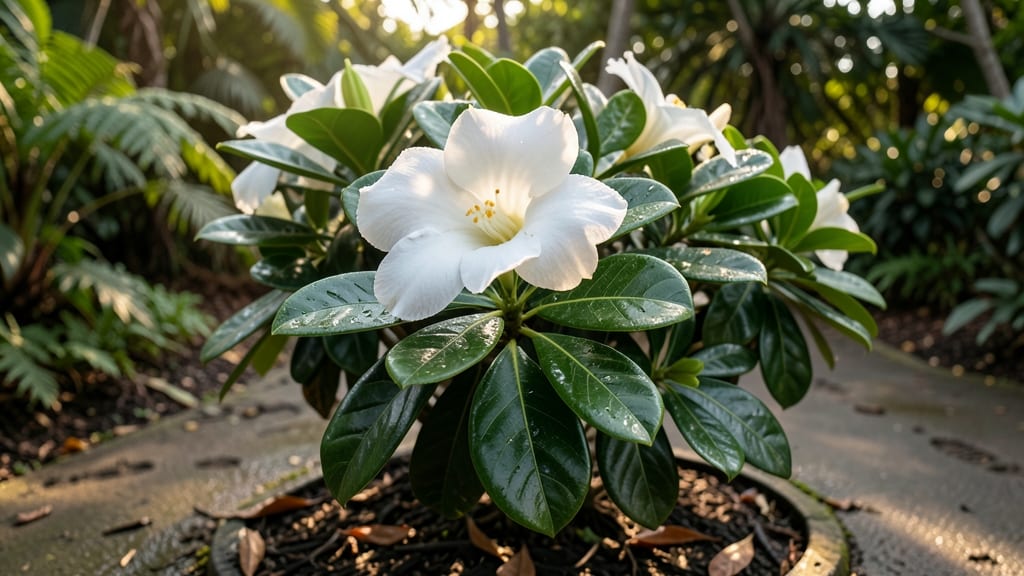
Gardenias grow best in Zone 7 with partial shade, well-draining acidic soil, and consistent moisture. Protect them from late spring frosts, prune after flowering, and use citrus-based fertilizers to keep blooms vibrant all season.
Zone 7 gardenias love the balance of warmth and protection from extreme heat, which is why acidic soil (pH 5.0–6.5) and partial shade are non-negotiable. 🌿 The right conditions mimic their native tropical environments, preventing leaf burn while encouraging those signature fragrant blooms.
I’ve found that adding pine needles or peat moss to the soil keeps the pH stable—critical for iron uptake, which directly affects flower production. Humidity also plays a role; if your summers are dry, misting the leaves in the morning can make a noticeable difference in bloom longevity.
Another key factor is timing—late frosts can devastate new growth, so I always monitor local frost dates and cover plants with frost cloth when needed.
Pruning right after flowering (not in spring) prevents cutting off next year’s buds, and a slow-release citrus fertilizer in early spring gives them the steady nutrients they crave. These small adjustments turn Zone 7’s challenges into opportunities for stunning, long-lasting blooms.
💡 In This Article
- Ideal Soil and Light Conditions for Gardenias in Zone 7
- Seasonal Care Calendar for Zone 7 Gardenias
Ideal soil and light conditions for gardenias in Zone 7
Gardenias thrive in Zone 7 because their native tropical habitats demand acidic soil (pH 5.0–6.5)—this low pH unlocks iron and other micronutrients critical for vibrant blooms. The soil’s organic matter, like decomposed pine needles or peat moss, creates a sponge-like texture that retains moisture while preventing root rot.
Without this acidity, gardenias develop yellow leaves (chlorosis) because they can’t absorb iron, even if it’s present in alkaline soil. 🌿 Zone 7’s summer heat accelerates nutrient depletion, so amending soil annually with sulfur or citrus-based fertilizers keeps the pH in check.
Partial shade is another non-negotiable—direct sun in Zone 7’s intense summers causes leaf scorch (brown, crispy edges), while too much shade stunts flowering. The ideal spot gets morning sun and afternoon shade, mimicking the dappled light of their forest understory homes.
I’ve seen gardenias in full shade produce fewer blooms, while those in afternoon shade develop 2–3 times more flowers per season. Humidity also matters; if your Zone 7 summers are dry, aim for 50–60% humidity around the plant, either through misting or a nearby water feature.
Root health is the foundation of everything. Gardenias hate soggy feet—their roots need well-draining soil to prevent fungal diseases like root rot. Mixing in perlite or coarse sand creates air pockets, while a 2–3 inch layer of mulch (like pine bark) retains moisture and regulates soil temperature.
In Zone 7’s heat, mulch can reduce soil temps by 10–15°F, protecting delicate roots from stress. Without proper drainage, even the hardiest gardenia will struggle to bloom.
Light intensity affects more than just leaves—it triggers flowering. Gardenias need 6–8 hours of indirect light daily to produce buds. In Zone 7, this often means positioning them near a north- or east-facing wall where they get bright but diffused light.
I’ve noticed that gardenias in containers need even more attention to light, as pots dry out faster and roots can’t seek cooler soil depths. A simple trick? Rotate the pot quarter-turns every 2 weeks to ensure even light exposure on all sides.
Seasonal adjustments are key. In Zone 7’s spring, when temps rise quickly, gradually introduce gardenias to more sunlight over 2–3 weeks to avoid sunburn. Conversely, in fall, reduce shade as days shorten to maintain bloom production.
The goal is to replicate their natural environment’s gradual light changes, which keeps them flowering continuously from late spring to early fall in ideal conditions. 🌸
Here’s a quick checklist for Zone 7 success:
- Soil pH: Test annually (aim for 5.0–6.5); amend with sulfur if needed
- Light: Morning sun + afternoon shade (or 50% shade cloth in peak summer)
- Humidity: Mist leaves in dry spells or use a pebble tray with water
- Drainage: Elevate pots or ensure in-ground beds have a 10% sand/perlite mix