
Flowers
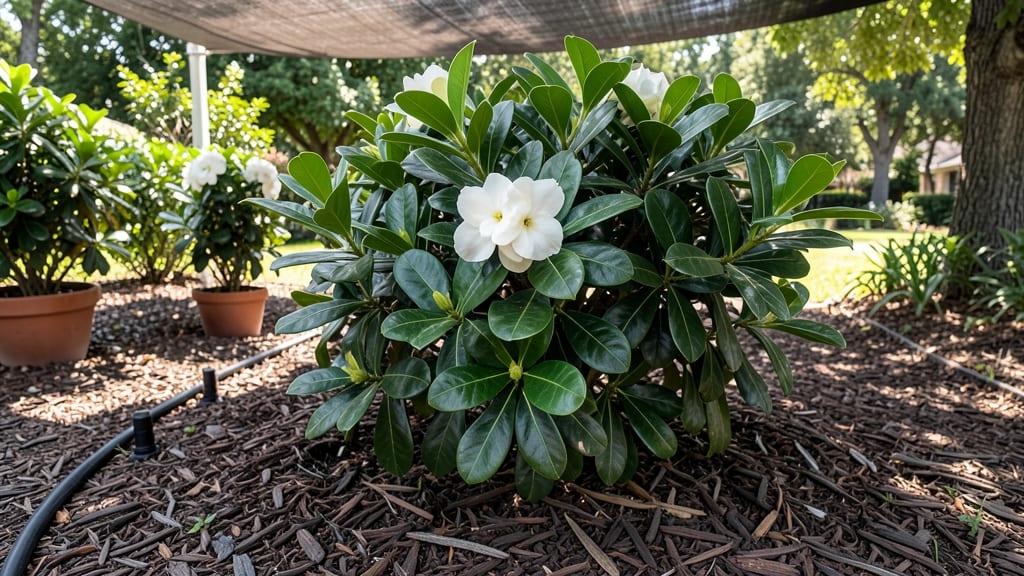
Gardenias in Texas thrive with the right conditions, especially in USDA Zones 7b-10, where they bloom best in partial shade and well-draining soil. Mulching and consistent moisture help them handle Texas heat while preventing pests like aphids and spider mites.
Texas's heat and humidity might seem challenging for gardenias, but these fragrant plants actually love the conditions when given the right care. 🌸 The key is mimicking their natural tropical habitat—think dappled shade from oak trees or a well-placed trellis to filter harsh afternoon sun.
I've seen gardenias in East Texas (Zone 8) flourish with just a little afternoon shade, while West Texas gardeners need to plant them near structures or use shade cloth to protect them from intense sun.
The soil should drain well but stay moist, so amending heavy clay with compost makes a huge difference in root health.
What sets Texas gardenias apart is their resilience once established. With proper mulching (2-3 inches of organic material), you'll reduce water evaporation and keep roots cool during those brutal summer months.
I recommend watering deeply 2-3 times per week during peak heat rather than daily shallow watering—this encourages strong root growth. And don't forget to fertilize lightly in early spring with an acid-loving plant formula to give them that extra boost for blooming season.
💡 In This Article
- Best Texas Regions for Growing Gardenias
- Low-Maintenance Texas Gardenia Care Guide
Best Texas regions for growing gardenias
Texas gardenias perform best in USDA Zones 7b-10 because these areas offer the perfect balance of warmth and humidity they crave. The key factor is the 80-90°F average summer temperatures combined with 70-80% humidity—similar to their native tropical habitats.
East Texas (Zones 7b-9a) provides natural shade from mature oak trees, while South Texas (Zones 9b-10) offers year-round growing conditions. Even in Zone 8 (Central Texas), gardenias thrive when planted near structures or under 30-50% shade cloth to filter intense afternoon sun.
What makes these regions ideal is the moderate winter chill (rarely below 20°F) that gardenias can tolerate, unlike their tropical cousins.
The Gulf Coast's coastal influence provides natural humidity boosts, while inland areas benefit from morning sun and afternoon shade. 🌿 In West Texas (Zones 8a-9a), gardenias need extra protection from dry winds—consider planting them near brick walls that absorb and slowly release heat.
The soil's natural clay content in many Texas regions actually helps retain moisture, but it must be amended with 20-30% organic matter to prevent compaction.
Microclimate variations create opportunities for gardeners in different Texas regions. For example, the Hill Country (Zone 8a) benefits from limestone-rich soil that naturally drains well, while the Rio Grande Valley (Zone 10) can grow gardenias year-round with minimal winter care.
The Houston area (Zone 9a) offers perfect conditions when planted under established trees, where they receive 4-6 hours of morning sunlight and protection from harsh afternoon rays.
What most gardeners overlook is how elevation affects temperature fluctuations. In Mountain Home (Zone 7b), gardenias need winter protection from 15-20°F dips, while San Antonio (Zone 8b) provides more stable temperatures.
The 10-15°F difference between these areas explains why gardenias bloom 2-3 weeks earlier in South Texas compared to North Texas. This timing difference also affects pest cycles—aphids arrive earlier in warmer zones, requiring proactive monitoring.
For optimal placement, observe your yard's natural light patterns throughout the day. Gardenias need morning sun exposure (when temperatures are cooler) but afternoon shade protection (when UV index exceeds 6-7).
In urban areas, reflective heat from pavement can raise soil temperatures by 10-15°F, so planting near grass or mulch beds helps regulate root zone temperatures. The sweet scent of gardenias actually intensifies in 75-85°F temperatures with 60%+ humidity—perfect conditions found in East Texas during summer evenings.
Consider these regional adaptations when selecting varieties: Kleim's Hardy Gardenia thrives in Zone 7b with its 15°F cold tolerance, while Radicans variety handles Zone 10's heat better due to its thicker cuticle layer.
The 1-2 foot height difference between dwarf varieties and standard types also affects their microclimate needs—taller plants need more overhead protection from sun and wind.