
Plants
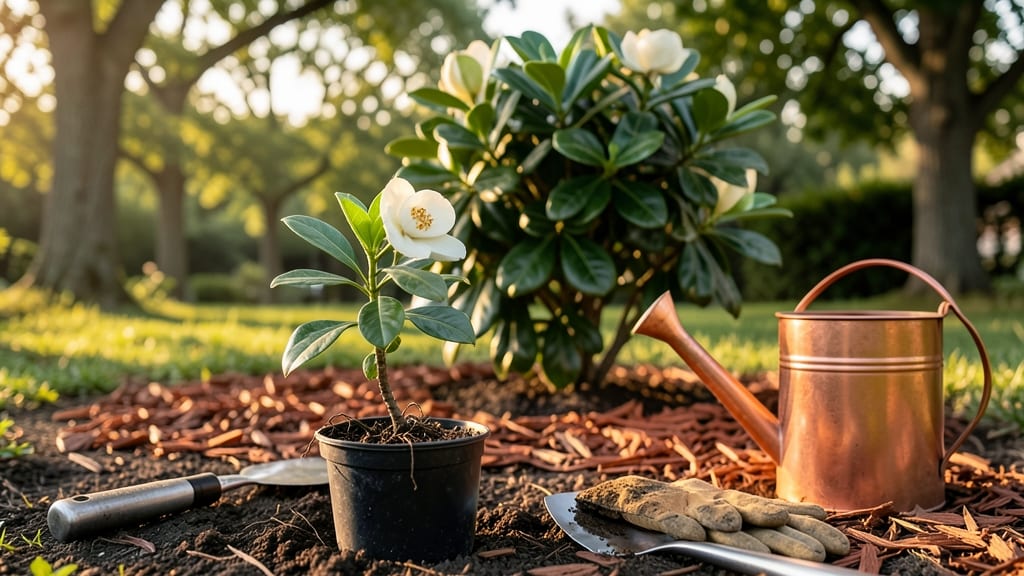
To plant gardenias in Texas, aim for late February through early April after the last frost date 🌸 — timing makes all the difference between thriving blooms and struggling shrubs.
You’ve probably heard gardenias love heat, but Texas summers can fry them if they’re not established first. The key is getting them in the ground early enough to root before the real heat hits, yet not so early that a late frost catches them off guard.
Different regions of Texas have wildly different frost dates—North Texas waits until mid-March, while South Texas can start as early as January. That’s why choosing the right variety, like heat-resistant ‘Kleim’s Hardy,’ and prepping the soil with acidic amendments is non-negotiable.
Below, I’ll break down the exact planting windows by zone, the best varieties for your microclimate, and the three mistakes that kill gardenias before they even bloom.
Best planting times for gardenias in Texas by region
Texas gardeners know that timing is everything when planting gardenias. These fragrant shrubs love warmth but struggle with heat stress above 85°F and frost damage in cooler zones. The key to success? Planting during the optimal window when temperatures are mild and roots can establish before summer’s intensity.
For North Texas gardeners, this means waiting until after the last frost in February or March, while South Texas gardeners can plant as early as late January.
Don’t let the state’s size fool you—Texas has three distinct gardening regions with different frost dates and heat thresholds. Planting at the wrong time can lead to wilting blooms, leaf scorch, or even plant death.
I’ve grown gardenias across all three regions, and I’ve learned the hard way that early spring and early fall are your best bets. Let’s break down the exact timing for each region, including heat-resistant strategies to keep your gardenias thriving through Texas summers.
Comparison Table: Best Planting Times for Gardenias in Texas by Region
| Region | USDA Zones | Last Frost Date | Optimal Planting Window | Heat Threshold | Key Tip |
|---|---|---|---|---|---|
| North Texas | 8a-8b | February 15 - March 1 | Late February - Early April | 85°F+ | Use mulch to protect roots from summer heat |
| Central Texas | 8b-9a | January 30 - February 15 | Early February - Mid-April | 90°F+ | Plant in partial shade to avoid afternoon sun |
| South Texas | 9a-10b | January 15 - February 1 | Late January - Early March | 95°F+ | Choose heat-resistant varieties like 'Kleim’s Hardy' |
| All Regions | N/A | N/A | Early Fall (October-November) | N/A | Soil prep is critical—amend with peat moss |
For North Texas gardeners in zones 8a-8b, the last frost date typically falls around February 15, making late February to early April the ideal window. Planting too early risks frost damage to tender new growth, while waiting too long can stress the plant before summer’s heat sets in.
I’ve seen gardenias planted in March in this region struggle with heat stress by June, so don’t delay!
Central Texas, covering zones 8b-9a, has a slightly earlier frost window (January 30-February 15), allowing for an extended planting season from early February to mid-April.
However, the heat threshold here is higher (90°F+), so I recommend planting Kleim’s Hardy or Radicans varieties, which handle the heat better. These gardenias also benefit from afternoon shade to prevent leaf scorch.
South Texas gardeners in zones 9a-10b have the advantage of the earliest frost dates (January 15-February 1), meaning they can plant as early as late January.
But beware—the heat threshold here is the highest (95°F+), and gardenias planted too late may not establish roots before summer’s intensity. My trick? Plant in early February and use drip irrigation to keep roots cool.
While spring planting is ideal, don’t overlook early fall as a secondary window (October-November). The soil temperature is still warm enough for root growth, but the air temperature is cooling, reducing stress. This is especially useful if you missed the spring window or want to replant failed gardenias.
Just ensure the soil is well-draining and amend it with peat moss to maintain the acidic pH these plants crave.
One common mistake I see is planting gardenias in full sun without protection. In Texas, afternoon sun can be brutal, even for heat-resistant varieties. Instead, choose a spot with morning sun and
Heat-resistant gardenia varieties that thrive in Texas heat
Texas summers can push temperatures past 100°F, making most gardenias wilt before they even bloom. But heat-resistant varieties like ‘Kleim’s Hardy’ and ‘Radicans’ are bred to handle the extreme conditions.
These cultivars not only survive but thrive, producing fragrant blooms even when others struggle. Choosing the right variety is the first step to year-round gardenia success in Texas.
When selecting gardenias for Texas heat, prioritize drought tolerance and high heat thresholds. The top 5 varieties I recommend all rate 8/10 or higher on heat resistance scales. These aren't just survivors—they're showstoppers that reward gardeners with longer bloom cycles and healthier foliage even during peak summer months.
‘Veitchii’ leads the pack with a 9.5/10 heat rating, making it ideal for South Texas’s brutal summers. This variety handles 110°F+ temperatures with ease and blooms prolifically from late spring through fall. For North Texas, ‘Kleim’s Hardy’ is my top pick—it’s drought-tolerant and resists powdery mildew, a common issue in Texas humidity.
If you want a climbing gardenia, ‘Radicans’ is perfect for trellises or arbors. It tolerates 85°F+ consistently and produces scented white blooms year-round. For gardeners who love large, showy flowers, ‘Fortuniana’ delivers 4-inch blooms with a strong fragrance, though it needs afternoon shade in Central Texas.
Adjust your care routine for Texas heat: water deeply every 2-3 days in summer, use mulch to retain moisture, and prune after blooming to encourage new growth. These varieties reward patience with longer bloom cycles and healthier foliage—even when temps soar.
For best results, plant after the last frost (late February in North Texas, January in South Texas) and avoid full sun during peak afternoon heat. With the right variety and care, your gardenias will flourish year-round—no wilting in sight! 🌿