
Plants
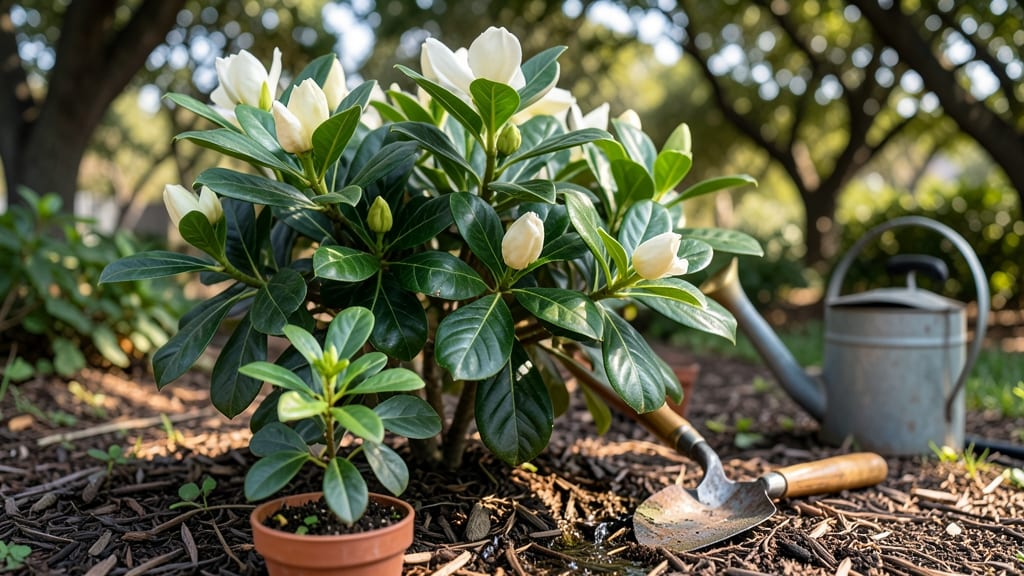
Planting gardenias in Georgia at the right time means the difference between fragrant blooms and a shrub that struggles to survive.
Georgia’s humid summers and mild winters create the perfect climate for gardenias—but planting them at the wrong time can stunt growth or even kill your shrub before it blooms. Timing is everything for fragrant, thriving gardenias, and these heat-zone-specific guidelines will ensure your plants take root when conditions are ideal.
For most of Georgia, the ideal window is after the last frost—typically mid-March to early April—when soil temperatures hit 60°F and the risk of late freezes has passed. Coastal areas can plant slightly earlier, while inland zones may wait until late April to avoid unexpected cold snaps.
In this guide, you’ll discover the exact planting window for your USDA zone, how to prep soil for maximum root growth, and the post-planting care routine that keeps your gardenias blooming all summer. Let’s get those 🌸 thriving!
Georgia’s best planting windows for gardenias by heat Zone (7a-9a)
Georgia’s climate—with its humid summers and mild winters—makes it a paradise for gardenias, but planting them at the wrong time can lead to poor root establishment or even death.
The key lies in understanding your USDA heat zone (7a-9a) and aligning planting with soil temperatures, frost risks, and humidity patterns. Let’s break down the optimal planting windows for each zone to ensure your gardenias thrive from day one.
In Zone 7a (northern Georgia), the last frost typically arrives around mid-March, while Zone 9a (coastal areas) enjoys frost-free conditions year-round. Soil temperatures must reach at least 60°F before planting—cold soil slows root growth and increases disease risk.
Additionally, Georgia’s summer humidity demands careful watering to avoid fungal issues, so timing matters just as much as technique.
Here’s a heat-zone-specific comparison to help you choose the best time to plant gardenias in Georgia, along with critical prep steps to set your shrubs up for success.
For Zone 7a gardeners, late March to early April is critical—planting too early risks frost damage, while waiting too long may expose roots to summer heat stress. In Zone 9a, you can plant almost year-round, but fall (September–October) or early spring (January–February) minimizes transplant shock.
Always check local frost dates and soil warmth before digging—your gardenia’s future depends on it!
Before planting, amend your soil with compost or peat moss to improve drainage, as gardenias hate soggy roots. Choose a location with morning sun and afternoon shade—Georgia’s intense summer sun can scorch leaves if plants aren’t acclimated.
Mulch around the base to retain moisture and regulate soil temperature, especially in drier inland zones like 7b or 8a.
If you’re in coastal Zone 9a, where humidity peaks in summer, avoid overhead watering to prevent fungal diseases like powdery mildew. Instead, use drip irrigation or soaker hoses to deliver water directly to the roots.
This method also helps reduce evaporation during Georgia’s hot, humid afternoons, keeping your gardenias stress-free and blooming beautifully.
Pro tip: Container gardenias in Georgia can be planted anytime the soil is workable, but spring (March–April) still offers the best balance of warmth and moisture. Just ensure your pots have drainage holes—stagnant water is a silent killer for these tropical-loving shrubs.
For in-ground plantings, dig a hole twice as wide as the root ball to encourage spread and stability.
Timing isn’t just about the calendar—it’s about reading your microclimate. If you’re in a warmer microclimate (like near Atlanta’s urban
Signs your Georgia gardenia planting timing is wrong (and how to fix it)
If your gardenia leaves are turning yellow or your shrub isn’t blooming, you might have planted at the wrong time. Georgia’s humid climate and heat zones demand precise timing—plant too early, and frost can kill roots; too late, and summer heat stresses young plants.
Even container gardenias need timing adjustments to thrive in Georgia’s USDA zones 7-9.
Common mistakes include planting in late spring when soil is already too warm or choosing early fall when roots can’t establish before winter. Both scenarios lead to stunted growth or leaf drop. The ideal window is March-April (after last frost), but if you missed it, don’t panic—fixes exist!
⚠️ Critical Timing Mistakes in Georgia
Planting too early: Frost damage to tender roots (common in Zone 7a).
Planting too late: Summer heat shock (soil temps >85°F) stunts root growth.
Container delays: Potted gardenias dry out faster—plant 2 weeks earlier than in-ground.
Fix: Adjust soil temp with mulch or shade cloth if planting outside ideal window.
Yellowing leaves often signal root stress from improper timing. If planted in late spring, roots may struggle to absorb water in 90°F+ soil. Solution: Mulch heavily with pine straw to keep roots cool and water deeply twice weekly for the first month.
For fall plantings, use a root stimulator like mycorrhizal fungi to boost establishment before winter.
Stunted growth? Your gardenia might be fighting heat stress from a summer planting. Georgia’s Zone 8-9 areas see soil temps exceeding 80°F by June, which can halt root development.
Move potted gardenias to partial shade and avoid fertilizing until soil cools below 75°F. For in-ground plants, prune back 1/3 of new growth to redirect energy to root recovery.
Delayed blooming is another red flag. Gardenias need 6-8 weeks of stable root growth before flowering. If planted in May or June, they may skip their first bloom cycle entirely.
Fix this by planting bare-root gardenias in early spring (February-March) or container-grown plants in late winter (January-February) for a head start. For existing plants, apply a low-nitrogen fertilizer (like 5-10-10) in early spring to encourage blooms.
To salvage a poorly timed planting, focus on soil moisture and shade. Water at soil level (not overhead) to prevent fungal diseases in Georgia’s humidity. Use drip irrigation for in-ground plants or self-watering pots for containers.
If planted in fall, protect with burlap wraps during unexpected cold snaps (<32°F). With patience and these fixes, your gardenia can still thrive—even if timing wasn’t perfect!