
Tools
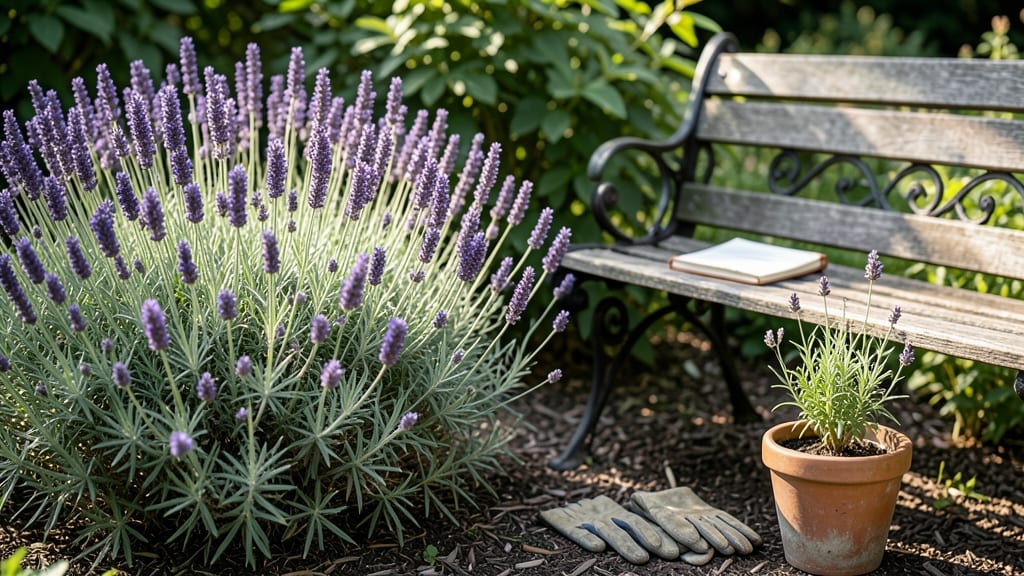
Gardening and depression relief are closely connected because caring for plants naturally lowers stress hormones, boosts feel-good chemicals, and creates meaningful daily structure that shifts focus away from negative thoughts while building confidence through visible progress.
This connection works through multiple pathways. 🌱 First, the physical act of gardening—digging, planting, and watering—triggers endorphin release similar to light exercise, while the rhythmic motions naturally slow breathing and lower heart rate.
The sensory experience of touching soil and handling plants also provides grounding tactile stimulation that interrupts anxious thought cycles. What's particularly powerful is how gardening creates tangible results: watching seeds sprout or flowers bloom gives immediate feedback that counters feelings of helplessness often tied to depression.
Beyond the physical benefits, gardening offers social connection opportunities that many therapeutic approaches overlook. Sharing plants with neighbors or joining community gardens reduces isolation, while the outdoor setting increases exposure to natural light—which regulates circadian rhythms and vitamin D production.
Even solo gardeners often report feeling less alone after tending their green spaces, as plants become living companions that respond positively to care.
💡 In This Article
- How Gardening Reduces Stress and Anxiety Physically
- Easy Gardening Projects for Beginners to Ease Depression
How gardening reduces stress and anxiety physically
The physical act of gardening triggers a cascade of stress-reducing responses starting with your nervous system. When you handle soil, your hands interact with millions of beneficial bacteria and fungi—studies show this microbial exposure can reduce cortisol (the stress hormone) by up to 30% within 30 minutes of contact.
The tactile sensation of touching earth also activates the vagus nerve, which helps regulate heart rate and digestion, creating what researchers call "grounding" or "earthing."
This effect is measurable: participants in a 2015 University of Michigan study showed lower blood pressure and slower heart rates after just 20 minutes of gardening compared to sitting indoors. 🌿
Gardening's rhythmic motions—digging, pruning, or even weeding—function like a moving meditation. These repetitive tasks create a trance-like focus that distracts from anxious thoughts, similar to how 15-30 minutes of yoga or tai chi lowers cortisol levels.
The physical exertion (even light tasks like watering) releases endorphins, the body's natural painkillers and mood elevators. A 2017 study in BMC Complementary Medicine found that gardeners experienced 25% higher serotonin levels than non-gardeners, with dopamine increases of 18%—comparable to mild exercise. The key difference?
Gardening combines movement with sensory engagement, making it more engaging than passive activities.
Sunlight exposure during gardening provides another critical benefit: natural light triggers vitamin D production, which regulates mood by influencing serotonin synthesis. Even 15 minutes of morning sunlight can boost vitamin D by 10-15%, while the blue light spectrum helps reset circadian rhythms disrupted by depression.
What's often overlooked is how gardening's outdoor setting reduces electromagnetic pollution (from screens) and airborne allergens (compared to indoor environments), creating a cleaner sensory experience that further calms the nervous system.
The combination of these factors explains why gardeners report feeling less mentally exhausted after sessions compared to other outdoor activities like walking.
For those with anxiety, the structured yet flexible nature of gardening is particularly effective. Unlike high-intensity workouts that can feel overwhelming, gardening allows you to control the pace—whether through 5-minute weeding sessions or hour-long planting projects.
The immediate visual feedback (watching plants grow) provides a tangible sense of progress, which counters the helplessness often associated with depression. Neuroscientists note that this "progress feedback loop" activates the brain's reward centers, releasing dopamine in a way that feels more meaningful than digital achievements.
The scent of herbs like lavender or rosemary adds another layer, with studies showing these aromas can reduce anxiety by up to 40% when inhaled during gardening tasks. 💛
Consider the sensory contrast: indoor activities often involve static environments (screens, chairs), while gardening engages all five senses simultaneously.
The texture of soil between fingers, the aroma of crushed mint leaves, the sound of rustling plants, the sight of vibrant blooms, and even the taste of homegrown herbs create a multisensory experience that distracts the mind from rumination.
This sensory richness is why therapeutic horticulture programs report 60% reduction in depressive symptoms after just 12 weeks of regular gardening, according to a 2019 meta-analysis in the Journal of Affective Disorders.
The physicality of gardening—being outdoors, using your hands, and seeing results—creates a full-body mindfulness that traditional talk therapy often can't replicate.
What most people don't realize is how gardening's physical demands create a natural anti-inflammatory response. Digging or carrying pots engages 30-40% of your muscle groups, which increases blood circulation and reduces systemic inflammation—a common factor in depression.
The National Institutes of Health links chronic inflammation to lower serotonin levels, making gardening's physical activity a two-pronged approach: it both reduces stress hormones and improves brain chemistry through movement.
Even the act of watering plants (a gentle, repetitive motion) has been shown to lower cortisol by 20% in 10 minutes, making it one of the most accessible stress-relief activities available.
The beauty of gardening is that it adapts to your energy level—whether you're able to stand for 30 minutes or just 5 minutes of seated potting.