
Advice
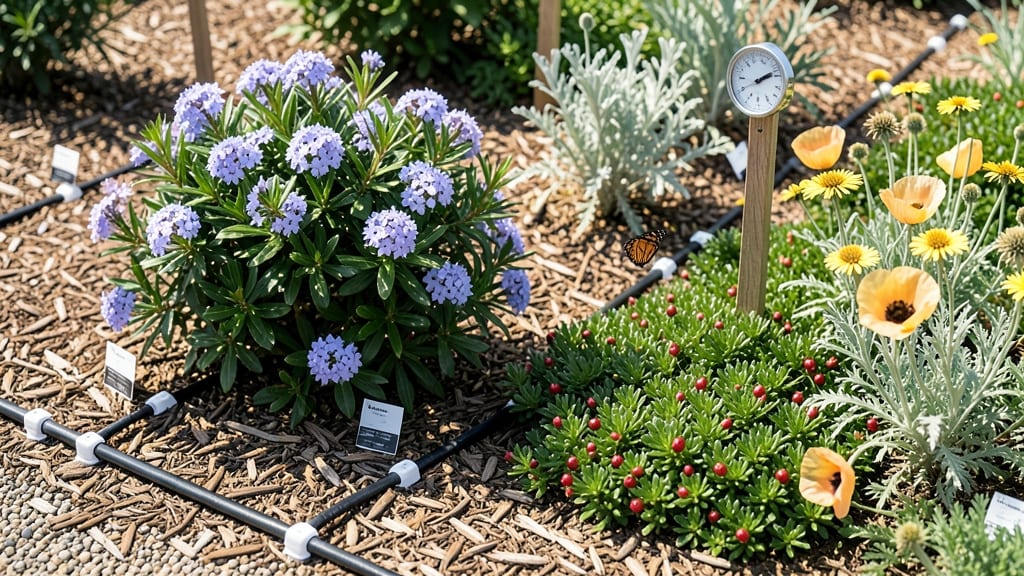
Gardening in Northern California thrives best with drought-resistant native plants, strategic seasonal planting, and careful attention to regional microclimates like coastal fog zones and inland valleys.
Northern California's unique Mediterranean climate means your garden will flourish with the right choices. 🌿 Succulents like sedum and agave thrive in hotter inland areas, while coastal gardens benefit from manzanita and toyon, which handle fog and salt spray.
The key is matching plants to your specific zone—whether you're in USDA 7-9—and adjusting watering schedules to conserve resources.
I've found that starting with cool-season crops like kale and broccoli in early spring or fall gives the best yields, while summer heat calls for shade-loving herbs like rosemary and thyme.
Beyond plant selection, soil prep makes all the difference. Northern California soils often need amendments like compost to improve drainage, especially in clay-heavy areas. Mulching with wood chips or straw keeps moisture locked in, while drip irrigation delivers water directly to roots—critical for water conservation.
My biggest lesson? Always check soil moisture with your fingers before watering—overwatering is the silent killer of even the hardiest plants.
💡 In This Article
- Northern California Climate Zones and Plant Selection
- Essential Tools and Water-Saving Techniques for Northern Gardens
Northern California climate zones and plant selection
Northern California spans USDA hardiness zones 7 through 10, creating dramatic differences between coastal fog belts and inland valleys. The coastal regions (like Marin or Sonoma) experience milder summers and cooler winters, with temperatures rarely dropping below 30°F.
In contrast, inland areas (such as the Sacramento Valley or Sierra foothills) see hotter summers (90-105°F) and colder winters (20-25°F).
These variations mean coastal plants like coyote brush and manzanita thrive in moist, shaded conditions, while inland gardens shine with buckwheat and California poppies that handle intense sun and dry heat.
The Mediterranean climate brings distinct seasonal windows: cool, wet winters (ideal for planting) and hot, dry summers (when most plants go dormant). Coastal areas enjoy 60-70°F average temps year-round, while inland valleys can swing from 40°F mornings to 100°F afternoons.
This creates microclimates where lavender thrives in USDA 8-9 zones but may struggle in foggy USDA 7 areas. The key is planting drought-tolerant natives like toyons (coastal) or yarrow (inland) that naturally match your local conditions.
Seasonal timing matters just as much as zone selection. Spring (March-May) is prime for planting cool-season crops like artichokes and broccoli, while fall (September-November) gives the best results for winter squash and kale.
Inland gardeners can push summer planting with melons and tomatoes by using shade cloth, but coastal growers should stick to herbs and leafy greens that tolerate cooler temps. My rule? Always plant 6-8 weeks before the last frost date for your zone—check local Cooperative Extension offices for precise data.
Soil type adds another layer of complexity. Coastal areas often have sandy loam that drains quickly, while inland valleys may have clay-heavy soils that retain too much moisture. Amending with compost or aged manure improves structure, and raised beds help in problem areas.
For example, California native grasses like deer grass love well-draining soil, while artichokes prefer richer, slightly acidic conditions. A simple soil test (available at local nurseries) reveals your garden's pH and nutrient needs—most Northern California soils benefit from a pH between 6.0-7.0.
Don't overlook wind patterns—coastal gardens face prevailing westerlies that can dry plants quickly, while inland areas may experience Santa Ana winds that desiccate foliage. Windbreaks made of bamboo or arborvitae create microclimates that protect delicate plants.
I've seen rosemary bushes thriving in windy coastal gardens thanks to strategic placement near fences or walls. The same principle applies to watering: drip irrigation delivers moisture directly to roots, reducing evaporation losses by up to 30% compared to overhead watering.
For beginners, start with low-maintenance natives that signal healthy soil and proper conditions. California lilac (ceanothus) blooms reliably in USDA 7-10, while purple needlegrass handles both coastal and inland conditions. These plants also support local pollinators—something we've noticed makes our gardens more vibrant and resilient.
The secret? Observe how these natives grow in their natural habitats, then replicate those conditions in your yard.