
Tools
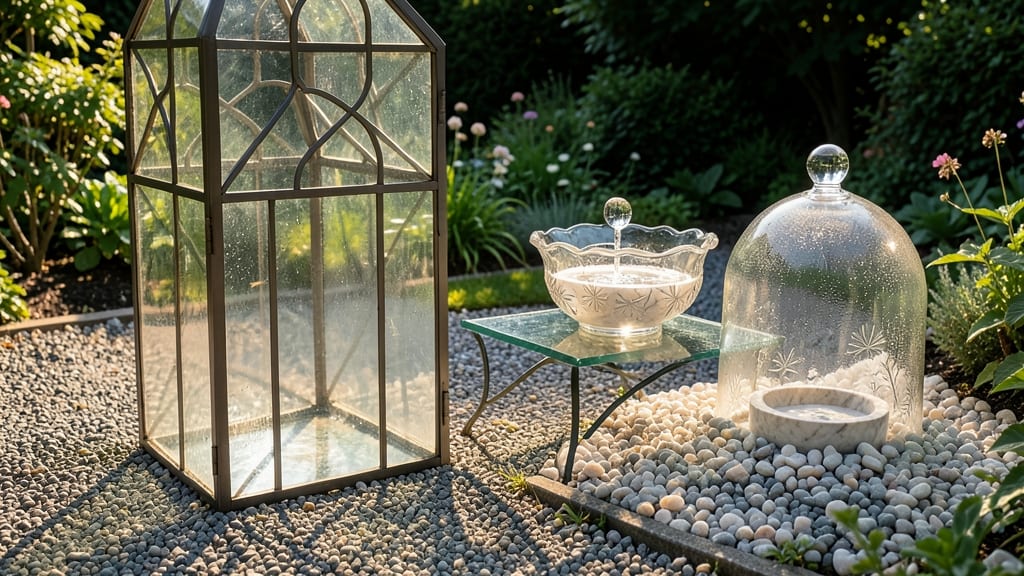
Incorporating glass in garden decor elevates your outdoor space with both beauty and practicality, whether through solar-powered glass lights, artistic glass mosaics, or repurposed glass containers as planters. Just remember to seal all glass properly and protect it from UV exposure to keep your garden safe and stylish.
Glass brings a modern, sophisticated touch to any garden while offering endless creative possibilities. 🌿 The key is choosing the right type—tempered or laminated glass resists shattering better than standard glass, making it ideal for outdoor use.
I’ve seen stunning results with recycled glass bottles transformed into vibrant planters, especially when paired with succulents or herbs that thrive in minimal soil. For safety, always use UV-resistant coatings and secure glass elements with heavy-duty adhesive or metal brackets to prevent accidents or weather damage.
Beyond aesthetics, glass can also serve functional purposes like solar-powered lights or wind chimes that add movement and sound to your garden. The trick is balancing style with practicality—opt for thicker glass for durability and consider the weight when placing heavier pieces.
With the right precautions, glass decor can become a long-lasting centerpiece that enhances your garden’s charm.
💡 In This Article
- How to Safely Incorporate Glass Decor in Garden Designs
- Creative Glass Planters and Upcycling Ideas for Gardens
How to safely incorporate glass decor in garden designs
The first rule when using glass in outdoor spaces is selecting the right material. Standard glass shatters easily under impact or temperature changes, but tempered glass (5x stronger than annealed glass) and laminated glass (two layers with interlayer) are designed for outdoor durability.
For example, tempered glass can withstand 200-300°F temperature swings without cracking, while standard glass fails at just 50°F variations. Always check for ASTM C1048 safety certification when purchasing outdoor glass pieces.
Securing glass elements properly prevents accidents and weather damage. Heavy glass sculptures should be mounted with stainless steel brackets or epoxy resin anchors into concrete bases, while lightweight pieces can use UV-resistant silicone sealant.
For hanging decor like wind chimes, use marine-grade rope with 150-pound test strength>—never wire or thin string that can cut through glass over time. The weight-to-support ratio is critical: a 5-pound glass vase needs at least 10-pound tension capacity in its hanger.
UV exposure accelerates glass degradation, causing yellowing or brittleness within 1-2 years for untreated glass. Apply a UV-resistant coating (like Scotchgard Outdoor) every 6 months to maintain clarity. For colored glass, this protection also prevents fading—uncoated red or blue glass can lose 30-50% of vibrancy in sunny climates.
Position glass decor in partial shade when possible, especially in Zone 7-10 where UV index exceeds 6 during summer.
Broken glass poses hidden dangers, especially with children or pets. Always place glass decor on gravel or rubber mats to cushion falls, and avoid sharp-edged pieces near walkways. For mosaic projects, use safety glass (shatters into dull fragments) and embed pieces in epoxy resin for extra security.
A 1/8-inch thick protective layer of resin reduces shard sharpness by 70% while maintaining aesthetic appeal.
Temperature management is often overlooked but critical. Glass expands 0.5% per 100°F—so a 12-inch glass bowl could grow 1/16-inch in diameter on a hot day. This expansion stress leads to cracks.
Never place glass decor directly on hot pavers or concrete (surface temps can reach 140°F in direct sun). Instead, use ceramic feet or metal stands to create airflow underneath.
For solar-powered glass lights, choose borosilicate glass (used in lab equipment) which resists thermal shock from -40°F to 500°F. These lights should be installed at head height (5-6 feet) where they're less vulnerable to impacts.
The LED solar panel should be angled 30-45 degrees toward sunlight for optimal charge—flat panels lose 20-30% efficiency.
Remember: glass decor transforms gardens but requires proactive care. The key is balancing beauty with practicality—thicker glass lasts longer, proper sealing prevents leaks, and strategic placement avoids breakage risks. With these precautions, your glass elements can become timeless garden features that withstand seasons and weather.