How To
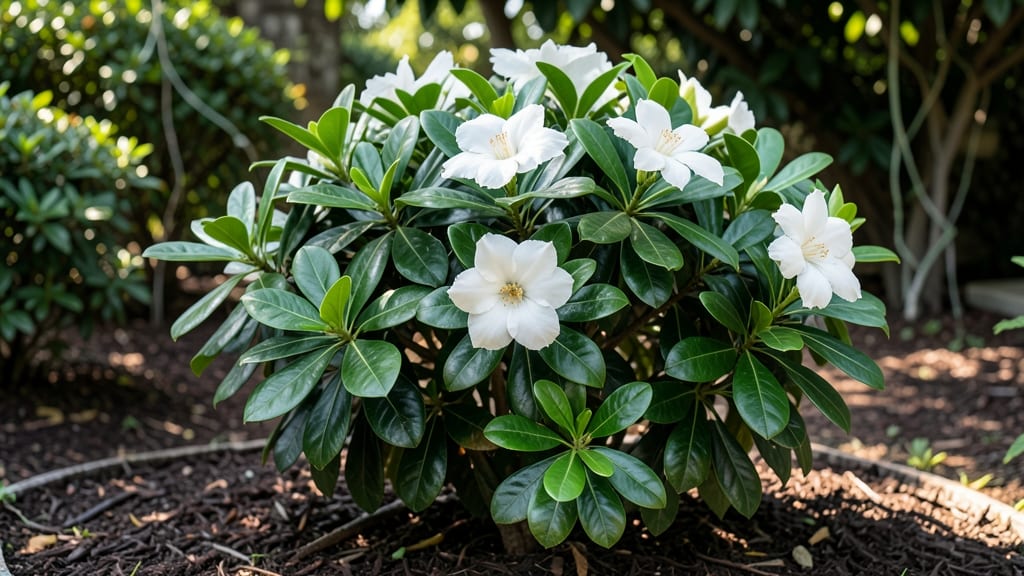
Gardenia bushes typically grow between 2 and 6 feet tall, with some varieties stretching even wider—so their size can be a game-changer for your garden plan.
If you’re dreaming of fragrant gardenia bushes but wondering whether they’ll dwarf your backyard or fit snugly in a container, size matters—and gardenia varieties can surprise you.
A standard Gardenia jasminoides 🌸, for example, can reach 5 feet tall and nearly as wide, while dwarf types stay compact at just 1-2 feet.
What you plant—and where—plays a huge role. Sunny spots, rich soil, and regular pruning can push a gardenia toward its full height, while containers and cooler climates keep them smaller. Even in USDA Zone 6a, with the right care, you can control their growth to match your space.
Below, I’ll break down the exact sizes by variety, how to encourage healthy growth, and the easiest ways to trim them back if they get too big. No guesswork—just practical tips for your garden.
Gardenia bush size by variety: mature heights and spreads compared
If you’ve fallen in love with the intoxicating scent of gardenias, you’re probably wondering: how big do gardenia bushes get?
The answer depends entirely on the variety you choose, as some can tower over your patio while others stay compact enough for containers. Gardenia jasminoides, the most common type, typically reaches 4 to 6 feet tall with a spread of 3 to 5 feet, but dwarf varieties can stay under 2 feet.
Let’s break down the most popular types so you can pick the perfect fit for your space.
Understanding gardenia bush size is key to planning your garden layout. Some varieties like Gardenia augusta grow even larger, while Gardenia radicans offers a climbing option that can reach 10 feet or more if given support.
Even within the same species, growth habits vary—some grow bushy and rounded, while others stretch taller and narrower. Knowing these differences helps you choose a variety that matches your garden’s scale and your maintenance preferences.
🌸 Comparison Table: Gardenia Bush Size by Variety
For gardeners with limited space, dwarf varieties like 'Kleim’s Hardy' are game-changers. These stay under 2 feet tall but still produce those signature creamy white, fragrant blooms. They’re perfect for containers on patios or even as borders in small gardens.
If you’re aiming for a privacy screen or backyard focal point, Gardenia augusta or standard Gardenia jasminoides will deliver the drama you’re after.
One variety that often gets overlooked is Gardenia radicans, which isn’t a bush at all but a climbing vine. If you have a trellis, arbor, or fence, this variety can add vertical interest while still filling your garden with that signature gardenia scent.
Just be prepared for it to spread 10 feet or more if given the right support.
When planning your garden, consider not just the mature height but also the spread. A 4-foot-tall gardenia with a 5-foot spread will take up significantly more space than you might expect.
For example, planting one near a walkway or driveway could lead to unwanted trimming if it outgrows its spot. Always measure the area where you’ll place your gardenia and leave at least 3 feet of clearance around it for airflow and maintenance.
If you’re growing gardenias in containers, size matters even more. Dwarf varieties like 'Fortuniana' thrive in 15-gallon pots, but standard varieties will need 20-gallon or larger containers to prevent root-bound stress. Remember, root-bound gardenias bloom less and grow slower
Factors that influence gardenia bush growth size
When planning your garden, understanding what influences gardenia bush growth helps you control their size. The mature height of gardenias (typically 4-6 feet) can vary dramatically based on where and how you grow them. For example, container-grown gardenias often stay smaller than in-ground plants due to root restrictions.
One of the biggest factors is pruning techniques. Regular pruning after flowering encourages bushier growth and prevents legginess. Without pruning, gardenias can grow tall and sparse, reaching their maximum height potential faster.
I’ve seen gardenias in my own yard grow 3 feet taller in just two years when left unpruned!
Another critical factor is sunlight exposure. Gardenias thrive in partial shade (4-6 hours of sun daily) but can become leggy if deprived of light. Too much direct sun, especially in hot climates, can stress the plant and stunt its growth.
In my USDA Zone 8 garden, gardenias planted in full sun often grow 1-2 feet shorter than those in dappled shade.
The soil pH also plays a huge role. Gardenias demand acidic soil (pH 5.0-6.5). If your soil is alkaline, the plant struggles to absorb nutrients, leading to stunted growth.
I once had a gardenia that barely grew for a year until I amended the soil with sulfur and peat moss—after that, it bloomed and grew like crazy!
Your choice between container vs. in-ground planting directly impacts size. In-ground gardenias have more room to spread their roots, often reaching 5-6 feet tall. But in 15-gallon containers, they typically max out at 3-4 feet.
I’ve successfully grown dwarf gardenias in pots on my patio, keeping them under 2 feet tall with careful pruning.
Finally, climate zones matter. Gardenias are tropical plants, so they thrive in Zones 8-11. In cooler climates (Zones 6-7), they may grow slower or stay smaller unless you provide winter protection.
In my Zone 7 garden, I wrap gardenias in burlap and mulch heavily—this helps them reach near-full size despite the cooler temps.
Key Factors Affecting Gardenia Size
If you’re growing gardenias in small spaces, focus on dwarf varieties like ‘Kleim’s Hardy’ (2-3 ft) or ‘Radicans’ (1-2 ft). These stay manageable even without heavy pruning. I’ve also found that early spring pruning (just after blooming) encourages fuller growth while keeping the plant at a desired height.
For the best results, combine proper pruning, acidic soil, and partial shade. With these factors in check, your gardenias will reach their ideal size while staying healthy and fragrant. Happy gardening! 🌿✂️