
Size
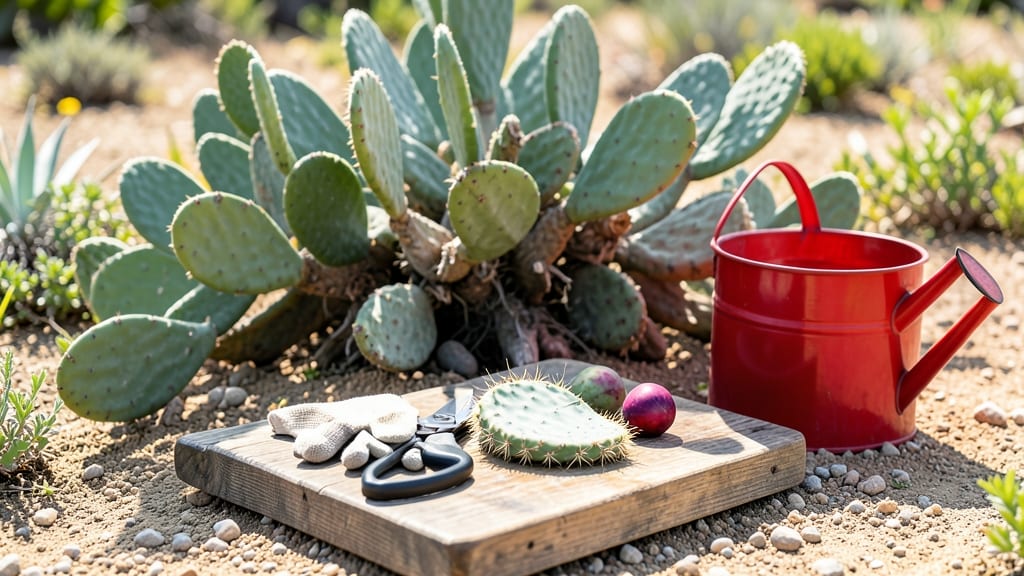
To make a 'cake' in how do you grow a garden, create tiered plant layers using containers or raised beds, filling each level with nutrient-rich soil and edible crops like strawberries, lettuce, and microgreens for both visual appeal and harvestable yields.
This creative gardening technique mimics a cake's layers by stacking plants vertically, which maximizes space while creating stunning visuals. 🌱 The top layers often feature fast-growing herbs and greens, while deeper levels accommodate root vegetables or slower-growing perennials.
I've found that using tiered planters or repurposed containers—like old buckets or wooden crates—makes this approach accessible even for small spaces.
What sets this method apart is how it combines aesthetics with functionality. Each layer can be customized based on sunlight exposure and plant needs, ensuring everything thrives. For instance, sun-loving basil might top the cake, while shade-tolerant spinach could occupy the middle level.
The key is balancing plant heights and growth rates so nothing gets overshadowed or crowded out.
💡 In This Article
- Layered Soil Cake Garden Construction Methods
- Best Edible Plants for Multi-Level Garden Cake Designs
Layered soil cake garden construction methods
The foundation of a layered garden "cake" starts with soil composition, where each tier requires careful planning. Begin with a drainage layer at the bottom—typically 2-3 inches of gravel or coarse sand—to prevent waterlogging, especially in containers.
Above this, mix equal parts compost, coconut coir, and potting soil to create a nutrient-rich base that retains moisture while allowing airflow. The pH should sit between 6.0-7.0, ideal for most edible plants, and can be adjusted with lime or sulfur as needed.
Structural support is critical for stability, especially in taller setups. I recommend using wooden crates, plastic grow bags, or stacked raised beds (minimum 12 inches deep for root crops).
For in-ground designs, create layers by mounding soil into 6-8 inch tiers, separating them with landscape fabric to maintain distinct growing zones. The top layer should be the shallowest (3-4 inches) to accommodate fast-growing herbs and microgreens that thrive in surface soil.
Plant selection by height ensures harmony—tall perennials like asparagus or rhubarb belong at the bottom, while shallow-rooted herbs (basil, chives) top the cake. Leafy greens (kale, lettuce) fit perfectly in the middle layers, where they receive balanced light without competing with taller neighbors.
The key is spacing: leave 6-12 inches between plants in deeper tiers to prevent root congestion, while top layers can be planted 2-4 inches apart for dense foliage.
Watering follows a tiered approach too. Bottom layers need deeper irrigation (1-2 inches per week), while top layers require frequent misting to keep delicate greens hydrated.
Mulch each layer with straw or shredded leaves to retain moisture and suppress weeds—this is especially important in containers where soil dries faster. Over time, you'll notice how the soil composition evolves: the top layer becomes lighter and more organic-rich, while deeper tiers retain heavier texture for root stability.
Seasonal adjustments are essential. In spring, add a 1-inch layer of worm castings to the top tier to boost microbial activity, while autumn calls for a 2-inch compost top-dressing to replenish nutrients before winter.
The beauty of this system is its adaptability—you can swap out plants seasonally (e.g., replacing summer basil with winter cilantro) without disrupting the entire structure. This modularity keeps the garden dynamic and productive year-round.
For those with limited space, repurposed materials work wonders. Old wine barrels or stacked pallets create stunning vertical cakes, while hanging pockets attached to the sides add bonus greens.
The visual impact is striking: imagine layers of purple basil, golden chives, and deep green lettuce cascading like a living dessert. 🌿 What's even more rewarding is harvesting from multiple levels simultaneously—picking strawberries from the top while radishes peek through the middle layer below.