
Tools
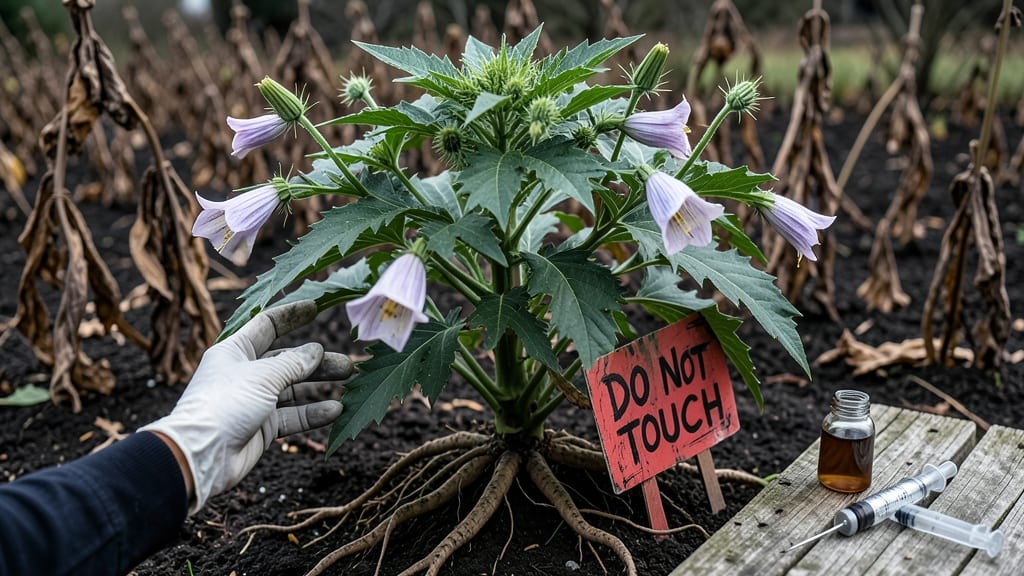
The world's deadliest garden contains plants like castor bean, oleander, and foxglove that can cause fatal poisoning if touched or ingested. Their toxins—ricin, oleandrin, and digitalis—attack organs and nervous systems, making even small exposures life-threatening.
These plants aren't just dangerous—they're designed to kill. 🔥 Castor bean's ricin disrupts protein synthesis, while foxglove's digitalis overloads the heart, and oleander's toxins paralyze muscles. Even touching crushed leaves can cause skin irritation or systemic poisoning.
I've seen cases where gardeners mistook foxglove for ornamental bellflowers, leading to accidental fatalities. The key is understanding their subtle differences—like foxglove's purple flowers versus safe varieties—and always wearing gloves when handling any suspicious plant.
If you're curious about gardening but want drama without danger, consider non-toxic alternatives like canna lilies or black mondo grass. They deliver bold colors and textures without the risk.
The trade-off? You'll miss the thrill of growing something that could genuinely end a life—but that's a price worth paying for peace of mind.
💡 In This Article
- Toxic Compounds in Deadly Garden Plants
- Safety Precautions for Handling Lethal Plants
Toxic compounds in deadly garden plants
The castor bean plant's true danger lies in its ricin toxin, which is 6,000 times more poisonous than cyanide by weight. This protein disrupts cellular protein synthesis by irreversibly binding to the ribosome's 60S subunit, halting all cellular function.
A single seed—about 0.1 milligrams of ricin—can be fatal to an adult, with symptoms appearing within 6-48 hours as severe abdominal pain, vomiting, and organ failure.
The plant produces ricin in its seeds, but even the leaves contain trace amounts that can cause skin irritation or systemic poisoning if crushed and inhaled.
Foxglove's digitalis compounds work by inhibiting the sodium-potassium pump in heart cells, causing cardiac arrhythmias that can be fatal. The plant's purple bell-shaped flowers are often mistaken for ornamental varieties, but their toxicity stems from glycosides like digoxin.
Just 2-5 leaves can be lethal to children, while adults might survive ingestion of 10-20 leaves—though survival often means permanent heart damage.
The mechanism involves hyperkalemia, where potassium levels spike dangerously, disrupting the heart's electrical signals. 🌸 Even the plant's nectar contains enough toxins to poison bees, creating a deadly ripple effect through ecosystems.
Oleander's toxicity comes from cardiac glycosides and oleandrin, which attack the heart and nervous system simultaneously. These compounds block voltage-gated sodium channels, preventing nerve impulses from transmitting properly.
A single leaf—about 0.5 grams—can kill a child, while adults might experience symptoms from 2-5 leaves, including nausea, confusion, and eventual cardiac arrest. The plant's milky sap contains enough toxins to cause severe skin irritation and systemic poisoning if absorbed through cuts.
Unlike foxglove, oleander's toxicity persists even when dried, making old plant debris just as dangerous as fresh growth.
What makes these plants particularly insidious is how their toxins target multiple organ systems simultaneously. Ricin causes multi-organ failure, digitalis attacks the heart while disrupting the digestive tract, and oleander's toxins paralyze muscles while overwhelming the cardiovascular system.
This multi-system approach means there's often no time for medical intervention—symptoms progress too rapidly. The body's inability to compensate for these simultaneous failures explains why even experienced gardeners can succumb to accidental exposure.
Interestingly, these plants have evolved these defenses not just to deter herbivores but also to protect against microbial invasion. Ricin, for example, also acts as an antimicrobial agent, preserving the seed's viability. This dual-purpose toxicity makes the plants incredibly resilient in their natural habitats.
The same chemical that could kill a human also helps the plant survive droughts and fungal infections, creating a perfect evolutionary balance. 🌿 This biological efficiency is what makes their toxins so potent and difficult to counteract.
For comparison, consider how these toxins stack up against common household poisons. Ricin is 100 times more lethal than cobra venom by weight, while foxglove's digitalis is 50 times stronger than strychnine. Even small exposures—like touching crushed leaves without gloves—can lead to systemic poisoning.
The key difference is that these garden plants don't just contain toxins; they're designed to deliver them efficiently through multiple exposure pathways: ingestion, inhalation, and absorption through the skin.