
Fertilization
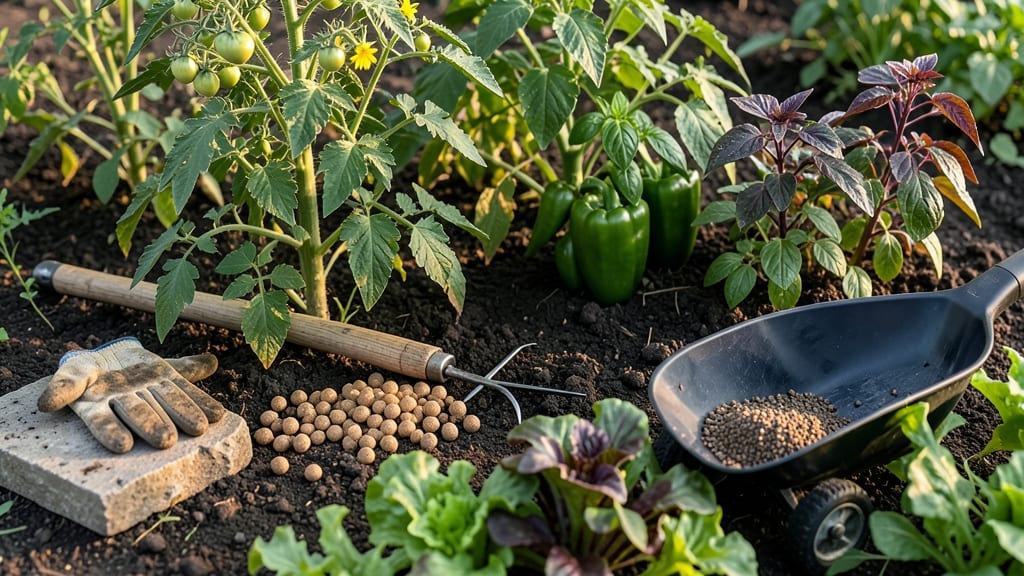
To fertilize your garden properly, you’ll need to match the schedule to your plants’ needs—too much or too little can stall growth or even harm your 🌱.
Wondering why your garden’s growth seems stuck despite your best efforts? The secret might be hiding in your fertilization routine—overdoing it can burn plants, while underdoing it starves them of essential nutrients.
Most vegetables and flowers thrive with monthly feedings during the growing season, but perennials and lawns often need less frequent care. The key is understanding when to pause, like skipping winter fertilizing in colder climates.
Below, I’ll break down the perfect timing for your garden’s needs, plus how to spot over- or under-feeding before it’s too late.

Optimal fertilizing frequency by plant type: a seasonal breakdown
Fertilizing your garden isn't a one-size-fits-all task—each plant type demands a unique feeding schedule tied to its growth cycle. Vegetables need frequent feeding to produce edible parts, while perennial flowers thrive with less frequent, deeper nourishment.
Understanding these rhythms ensures your garden gets the right nutrients at the right time without waste or harm. The key lies in matching fertilizer types—like slow-release granules or liquid feeds—to seasonal demands.
For example, leafy greens like spinach and kale crave nitrogen-rich fertilizers every 3-4 weeks during spring and fall, while tomatoes benefit from phosphorus-heavy feeds every 2 weeks in summer.
Lawns, on the other hand, prefer a 4-1-4 NPK ratio applied 4 times per year. Let’s break down the science-backed schedules to keep your garden thriving year-round.
Spring is the time to kickstart growth for cool-season crops like lettuce and broccoli. Apply a high-nitrogen fertilizer at planting, then repeat every 4-6 weeks to fuel leafy growth.
For warm-season plants like peppers and cucumbers, wait until soil warms (above 60°F) before fertilizing. Use a balanced 10-10-10 blend to encourage both foliage and fruit development.
Summer demands vigilance—heat-loving plants like tomatoes and zucchini need consistent nutrients to prevent blossom drop. Switch to a phosphorus-rich fertilizer (e.g., 10-20-20) every 2 weeks to support flowering and fruiting. Slow-release granules are ideal here, as they reduce the risk of fertilizer burn during peak heat.
Always water deeply after applying to help nutrients reach roots.
Fall fertilization depends on your plants’ lifecycle. Biennials like carrots and onions benefit from a light nitrogen feed in early fall to bolster root storage. For perennials, like asparagus, apply a potassium-rich fertilizer in late summer to harden off plants before winter.
Avoid fertilizing dormant plants—they won’t use the nutrients, and excess salts can harm soil health.
Winter is a time to rest. Most plants enter dormancy, and fertilizing can stimulate unwanted growth or attract pests. Exceptions include
Signs you’re over- or under-fertilizing (and how to fix it)
Your plants are talking to you—just listen closely. Yellowing leaves, stunted growth, or white crust on soil aren’t just random bad luck. They’re clear signals your fertilization routine needs a tune-up.
I’ve learned the hard way that over-fertilizing can burn roots, while under-fertilizing leaves plants hungry and weak. The key is finding that sweet spot where nutrients match your garden’s needs.
Start by checking the leaf color and growth patterns. Healthy plants have vibrant green leaves and steady growth. If you see brown leaf tips or yellow patches, it’s often a sign of too much fertilizer.
On the flip side, pale yellow leaves or slow growth mean your plants are craving more nutrients. Even the soil texture can tell you a story—crusty or salty soil screams over-fertilization.
⚠️ How Often Should You Fertilize Your Garden?
Most gardens thrive with fertilization every 4-6 weeks during the active growing season (spring and summer). Vegetables like tomatoes and peppers need more frequent feeding (every 3-4 weeks), while perennials and lawns do well with bi-monthly doses. Avoid fertilizing in winter or during dormancy—plants won’t use excess nutrients, and it can harm roots.
If your plants show signs of over-fertilization, like leaf burn or white residue on soil, flush the roots with water to leach out excess salts. For under-fertilized plants, switch to a balanced organic fertilizer like compost tea or fish emulsion.
These gentle options rebuild soil health without shocking your plants. I’ve had the best luck with compost tea—it’s like a nutrient-rich smoothie for your garden!
Don’t guess—test your soil first. A simple DIY soil test (or a kit from your local garden center) reveals pH and nutrient levels. If your soil is too acidic or nutrient-poor, amend it with lime or compost before adding fertilizer.
I test my soil every 2-3 years to keep track of changes. Pro tip: Mulch helps retain moisture and slowly releases nutrients, reducing the need for frequent fertilizing.
For container gardens, be extra cautious. Potted plants have limited root space, so they’re more prone to fertilizer burn.
I cut my fertilizer dose in half for containers and always water thoroughly after applying. Slow-release fertilizers are a game-changer here—they feed plants gradually over 2-3 months, so you’re not stuck fertilizing every week. Plus, they’re less likely to cause nutrient overload.
Remember, less is often more when it comes to fertilizing. Your goal is to support growth, not force it. If you’re unsure, start with a light application and observe your plants for a week.
Adjust based on their response. With a little patience and attention, you’ll strike the perfect balance and watch your garden thrive—no guesswork required! 🌿