
Light Requirements
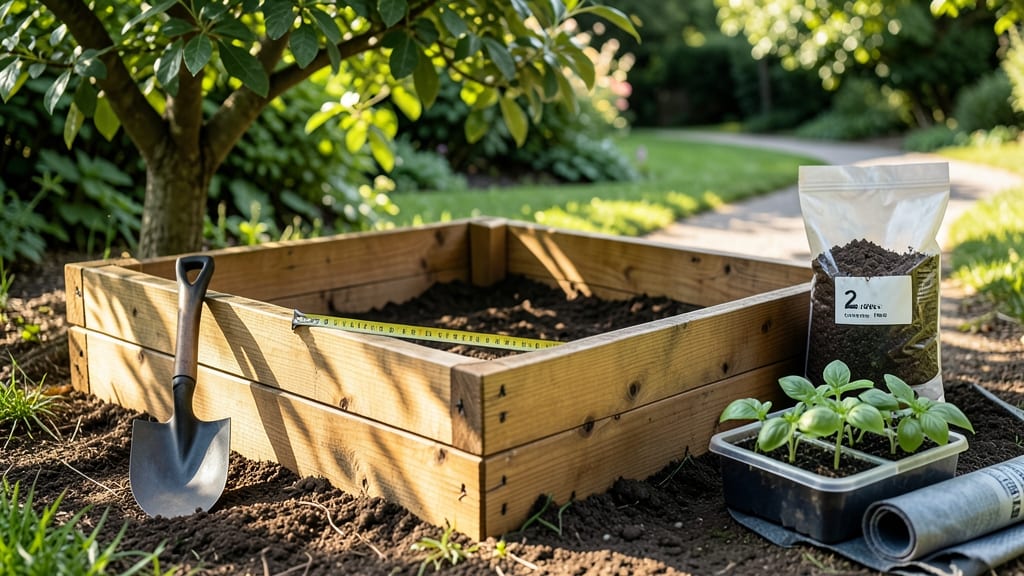
To determine how much dirt for a raised garden bed, multiply the bed's length × width × depth (in feet) and add 10% extra for soil settling. A standard 4×8-foot bed with 12-inch sides requires roughly 38.4 cubic feet of soil mix—about 2-3 bags per inch of depth per square foot.
Figuring out the right amount of soil for your raised garden bed starts with precise measurements. The key is converting all dimensions to feet first—since most soil bags list volume in cubic feet—and then accounting for the fact that soil naturally compacts over time.
For example, a 3×6-foot bed with 10-inch sides would need about 15 cubic feet of soil, while a deeper 2×10-foot bed with 18-inch sides jumps to nearly 30 cubic feet. I always recommend buying an extra bag or two, since overestimating is better than running short mid-project. 🔥
Beyond the math, the type of soil matters just as much. A mix of 60% topsoil, 30% compost, and 10% perlite or vermiculite creates ideal drainage while retaining moisture.
Avoid using pure topsoil or cheap fill dirt—these can compact over time and suffocate plant roots. Pro tip: Fluff the soil before adding plants to prevent compaction from settling.
💡 In This Article
- Calculating Soil Volume for Raised Beds by Dimensions
- Best Soil Mixes for Raised Garden Beds
Calculating soil volume for raised beds by dimensions
Let's break down the math behind soil volume calculations to avoid surprises at the garden center. The core formula—length × width × depth—might seem simple, but the real trick lies in converting all measurements to feet and accounting for soil settling.
For instance, a 4×8-foot bed with 12-inch sides actually requires 38.4 cubic feet of soil because 12 inches equals 1 foot, and 4 × 8 × 1 = 32 cubic feet.
However, most soils settle by about 10-15% after watering and root growth, so you'll need roughly 42-44 cubic feet to maintain proper depth.
Here's where things get practical: most soil bags list volume in cubic feet, but their actual usable content is often 20-30% less due to packing. A 2-cubic-foot bag might only yield 1.4-1.6 cubic feet after fluffing.
For our 4×8-foot example, you'd need about 14-16 bags of 2-cubic-foot soil, not 12. 🌱 The best approach is to measure your bed's interior dimensions (not exterior lumber width) and always round up to the nearest whole foot for depth calculations.
A 3×6-foot bed with 10-inch sides (0.83 feet) would need 15 cubic feet before settling, but you should plan for 17-18 cubic feet to ensure adequate root space.
Depth matters more than you might think—most vegetables need at least 12 inches of soil to thrive, while deep-rooted plants like tomatoes or carrots require 18-24 inches. The deeper you go, the more dramatic the volume jump becomes.
A 2×10-foot bed with 18-inch sides (1.5 feet) needs 30 cubic feet before settling, or about 35 cubic feet in reality. This is why many gardeners opt for modular beds: smaller sections mean less soil to move and replace if needed.
One common mistake is using exterior dimensions instead of interior space. If your bed has 2×6-inch lumber on all sides, the actual planting area might be 3.5×7.5 feet instead of 4×8 feet. Always measure the empty space where plants will grow, not the lumber frame.
Another pro tip: mark your depth with stakes before filling—this prevents overfilling, which can cause soil to spill over the sides when watered. For deeper beds, consider installing landscape fabric at the bottom to block weeds while allowing drainage.
For raised beds with multiple depth levels (like stepped designs), calculate each section separately. A 4×8-foot bed with 6-inch sides in the front and 12-inch sides in the back would need two separate calculations: 16 cubic feet for the shallow section and 32 cubic feet for the deep section.
Always account for the transition area where the two depths meet—this typically requires an extra 2-3 cubic feet of soil to create a smooth slope.
Finally, consider the weight—1 cubic foot of soil weighs about 70-100 pounds, depending on moisture content. A full 4×8×12-inch bed could weigh over 2,500 pounds! This is why many gardeners use lightweight mixes with perlite or coconut coir, especially for second-story or rooftop gardens.
Always check your bed's structural integrity before filling, particularly if it's elevated or made from lightweight materials.