
Tools
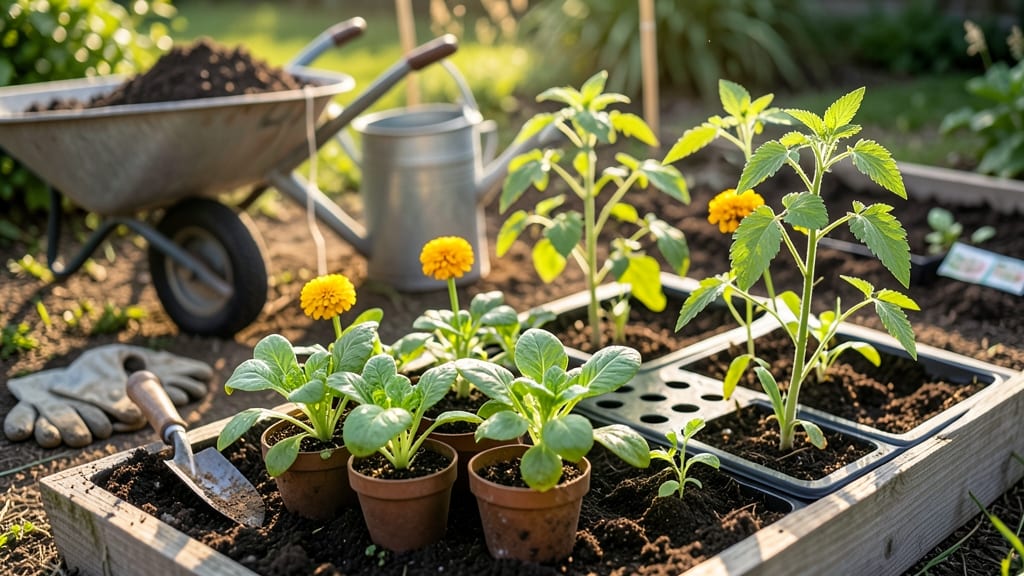
To start a garden from scratch, begin by picking a sunny location, testing your soil's nutrients, selecting beginner-friendly plants like basil or lettuce, and sketching a simple layout. Start with small, easy-to-manage plots to build confidence and avoid frustration.
Starting a garden from scratch might seem overwhelming, but breaking it down into manageable steps makes it achievable for anyone. 🌱 The key is starting small—even a 4x4-foot plot can yield fresh herbs and greens—while focusing on soil health, which directly impacts plant success.
I recommend testing your soil's pH and nutrient levels first; most garden centers offer affordable kits. This step alone prevents common mistakes like planting in poor soil that leads to stunted growth or disease.
Once you've got your plot prepped, choose plants that thrive in your climate and sunlight conditions, and don't forget to mark your rows to avoid overcrowding as they grow.
What many beginners overlook is the importance of mulch—it retains moisture, suppresses weeds, and regulates soil temperature, all of which save time and effort later. I've learned this the hard way after spending hours weeding dry, cracked soil!
Another pro tip: use raised beds if your soil is particularly rocky or compacted; they warm up faster in spring and give you better control over drainage. Start with just 3-5 plants to keep things simple, and you'll quickly gain confidence to expand your garden next season.
💡 In This Article
- Essential Steps for Planning a Beginner-Friendly Garden Layout
- Common Mistakes New Gardeners Make and How to Avoid Them
Essential steps for planning a beginner-friendly garden layout
First, analyze your garden's sunlight exposure—most vegetables and herbs need 6-8 hours of direct sunlight daily. Use a simple trick: observe your yard for a week to track sunlight patterns.
Shade from trees or buildings can drastically reduce growth, so avoid planting sun-lovers like tomatoes or peppers in shaded spots. A 4x4-foot plot is ideal for beginners—it's manageable but yields enough produce to feel rewarding without overwhelming you.
The soil's health is non-negotiable. Test your soil's pH (ideal range: 6.0-7.0 for most plants) and amend it with compost or organic matter if needed. I've seen gardens fail spectacularly because the soil was too sandy or clay-heavy.
For example, adding 2-3 inches of compost to heavy clay improves drainage and aeration, while sandy soil benefits from organic matter to retain moisture. A basic soil test kit costs around $20 and saves hours of trial-and-error.
Next, sketch a simple layout on paper. Place taller plants (like sunflowers or corn) on the north side to avoid shading shorter crops. Group plants with similar watering needs together—like basil and tomatoes—to simplify irrigation.
For example, herbs like parsley and cilantro thrive in partial shade, while peppers and eggplants crave full sun. Mark your rows with wooden stakes or landscape fabric to keep things organized and prevent overcrowding as plants mature.
Companion planting can boost your garden's productivity. Pairing basil with tomatoes deters pests like whiteflies, while marigolds repel nematodes. I've found that planting 1-2 rows of radishes between slower-growing crops like carrots helps break up soil and mark rows clearly.
Avoid planting onions or garlic near beans—their strong scent inhibits growth. Start with just 3-5 plant types to keep things simple and track what works best in your space.
Finally, gather the essential tools: a garden trowel for digging, pruners for trimming, and a watering can or hose with a gentle spray nozzle. A wheelbarrow makes transporting soil or compost easier, and a knee pad saves your joints during long planting sessions.
Don't forget gloves—soil-borne pathogens can cause skin irritation, and thorns (like from roses or blackberries) are no joke!
One of my biggest early mistakes was skipping a path between beds. After a few weeks of stepping on wet soil, I realized how much easier it made maintenance. A simple gravel or mulch path keeps your feet clean and prevents soil compaction.
Plan for 18-24 inches of walking space between rows to allow easy access for weeding and harvesting. This small detail makes a huge difference in long-term comfort.