
Tools
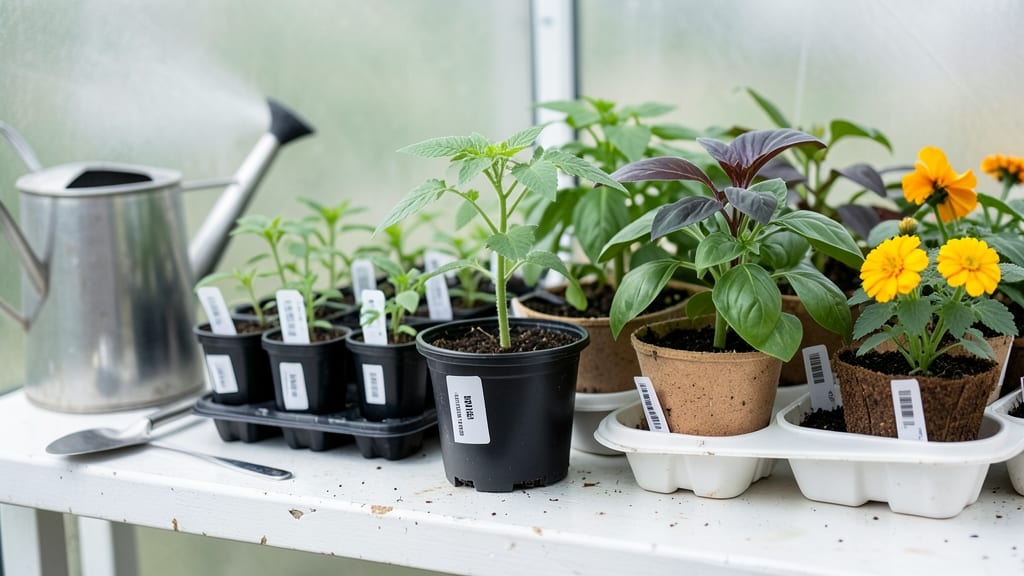
A garden nursery is a specialized facility where young plants—beyond seedling stages—are cultivated, nurtured, and prepared for transplantation into gardens, landscapes, or farms. These centers offer healthy, mature stock for home gardeners and commercial growers alike, often with expert care and variety selection.
A garden nursery serves as the bridge between tiny seedlings and thriving outdoor plants. 🌱 Unlike seedling trays, nursery plants undergo weeks of careful conditioning—hardening off against wind and sun, developing stronger root systems, and building disease resistance.
This extra care means they adapt faster to your garden's conditions, reducing transplant shock and boosting survival rates. I've noticed that nursery plants often come with pruned roots, which encourages them to establish new growth more quickly in their permanent homes.
These facilities also specialize in different plant categories, from perennials to fruit trees. Retail nurseries cater to home gardeners with ready-to-plant options, while wholesale operations supply professional landscapers. For organic gardeners, look for certified nurseries that avoid synthetic chemicals.
The key is choosing a nursery that matches your specific needs—whether you're restoring a native landscape or expanding your vegetable patch.
💡 In This Article
- How Garden Nurseries Differ From Seedling Stages
- Types of Garden Nurseries and Their Specializations
How garden nurseries differ from seedling stages
Seedlings and nursery plants exist at completely different stages of development, with key differences in size, root structure, and resilience. Seedlings are typically 2-4 inches tall with delicate root systems that haven't yet developed the fibrous network needed for outdoor survival.
In contrast, nursery plants—often called "liners"—are usually 6-18 inches tall with established root balls that can range from 2-6 inches in diameter, depending on the species. This size difference means nursery plants have already undergone 4-12 weeks of specialized care beyond what seedlings receive.
The most critical distinction lies in how these plants handle transplant shock. Seedlings often suffer from root damage during transplantation because their roots are fragile and easily disrupted.
Nursery plants, however, have undergone a process called hardening off, where they're gradually exposed to outdoor conditions like wind, temperature fluctuations, and sunlight. This mimics real-world stresses, strengthening their cell walls and root systems.
For example, a tomato seedling might wilt dramatically when moved from a greenhouse to garden soil, while a nursery-grown tomato plant with a 4-inch root ball will adapt within days.
Root development is another game-changer. Nursery plants typically have secondary roots that spread outward from the main root, creating a more stable anchor. These roots often contain beneficial mycorrhizal fungi—tiny organisms that form symbiotic relationships with plant roots, enhancing nutrient absorption. The result?
Nursery plants establish themselves 30-50% faster than seedlings because they're not starting from scratch. I've seen this firsthand with basil plants: nursery-grown specimens produce leaves within 2-3 weeks of planting, while seedlings may take 6-8 weeks to recover and start growing.
Disease resistance is where nurseries truly shine. Professional growers monitor plants for common pathogens like powdery mildew or root rot, using preventative measures like neem oil sprays or beneficial bacteria treatments. Seedlings, grown in small containers, are more susceptible to fungal infections because their confined environment traps moisture.
Nursery plants, however, develop thicker cuticles and stronger immune responses through controlled exposure. This is particularly important for vegetables like peppers, which are prone to bacterial spot—a disease that can devastate seedlings but rarely affects well-hardened nursery stock.
Consider the sensory differences too. A healthy nursery plant smells fresh and vibrant, with leaves that feel slightly waxy to the touch—a natural defense mechanism against pests. The roots, when gently removed from their pot, should appear dense and white, not brown or mushy.
In contrast, a struggling seedling might have yellowing leaves that feel limp, or roots that smell sour—a sign of rot. These sensory cues help gardeners quickly assess plant quality, which is why experienced growers always prefer nursery stock for high-value crops like fruit trees or roses.
There's also the practical matter of timing. Nursery plants are ready to go into the ground as soon as soil temperatures reach 60°F or warmer, while seedlings often need to wait until nighttime temperatures stay above 55°F.
This earlier readiness means nursery plants give gardeners a 2-4 week head start on the growing season, which can be crucial in cooler climates. For instance, in Zone 5, nursery-grown peonies planted in early spring will bloom the same year, while seedlings might not flower until the following season.
The bottom line? Nursery plants represent an investment in time and care that pays off in stronger, more productive plants. While seedlings might appeal to budget-conscious gardeners, the 90% survival rate of properly hardened nursery plants compared to 50-70% for seedlings makes them the smarter choice for serious gardeners. 🌿